- Duration:
- 28 days
- Group size:
- Group size depends on ship capacity, so our small-group policy cannot apply
- Dates:
- February 2029
- Start:
- Queenstown, New Zealand
- End:
- Queenstown or Invercargill, New Zealand
New Zealand’s Subantarctic Islands, The Ross Sea and Antarctica Birding Cruise
Details
February 2029
TBA for the 2029 departure. The 2028 prices below are provided as a guide:
Main deck triple (sleeps 3): US$ 34,750 per person sharing
Superior triple (sleeps 3): US$ 36,000 per person sharing
Deck 4 superior (sleeps 2): US$ 38,350 per person sharing
Deck 5 superior (sleeps 2): US$ 39,600 per person sharing
Main deck (sleeps 2): US$ 47,150 per person sharing
Worsley suite (sleeps 2): US$ 51,450 per person sharing
Superior suite (sleeps 2): US$ 51,450 per person sharing
Heritage suite (sleeps 2): US$ 69,300 per person sharing
Itinerary
Download ItineraryNew Zealand’s Subantarctic Islands, The Ross Sea and Antarctica Birding Cruise
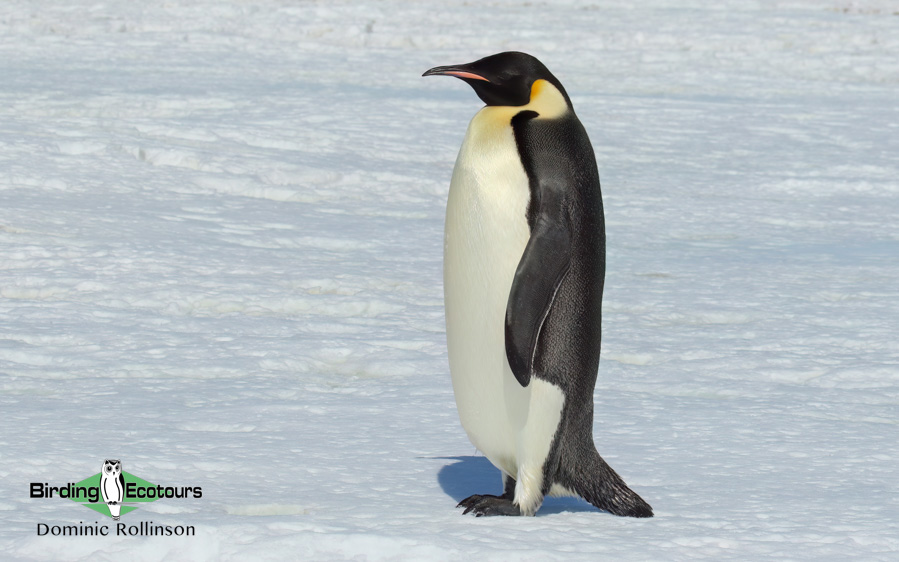
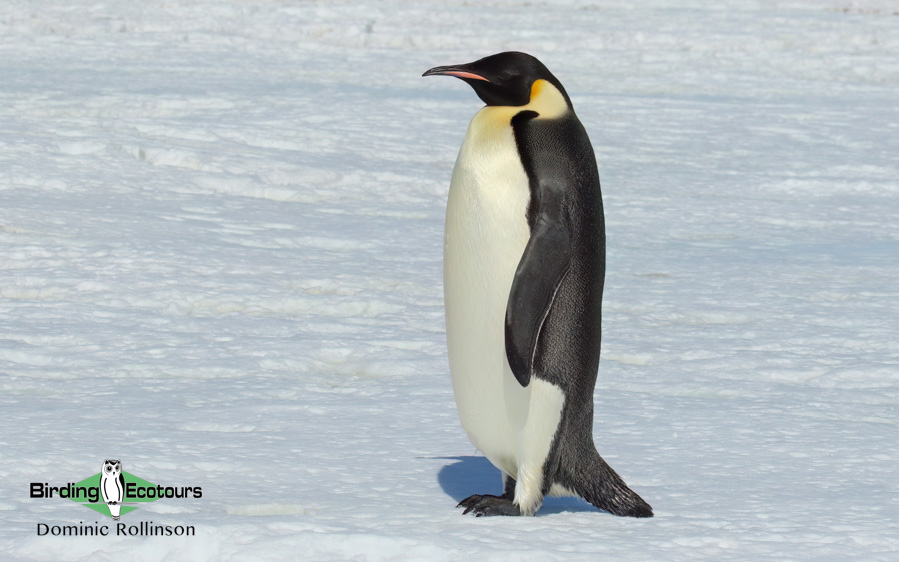 Emperor Penguin is one of the Ross Sea’s most sought-after attractions and among the world’s most coveted bird species.
Overview
This exceptional 28-day expedition is a once-in-a-lifetime opportunity to explore some of the most remote and bird-rich islands of the Southern Ocean, before venturing deep into Antarctica’s spectacular Ross Sea region. For the serious birder, this is far more than a scenic Antarctic cruise: it is an extended pelagic and Subantarctic birding adventure encompassing a remarkable selection of albatrosses, petrels, penguins, shags, terns, and other highly localized species, together with some of the largest seabird colonies on the planet. The itinerary combines difficult-to-access Subantarctic islands with prolonged periods at sea, where careful seawatching can produce an impressive variety of Southern Ocean seabirds.
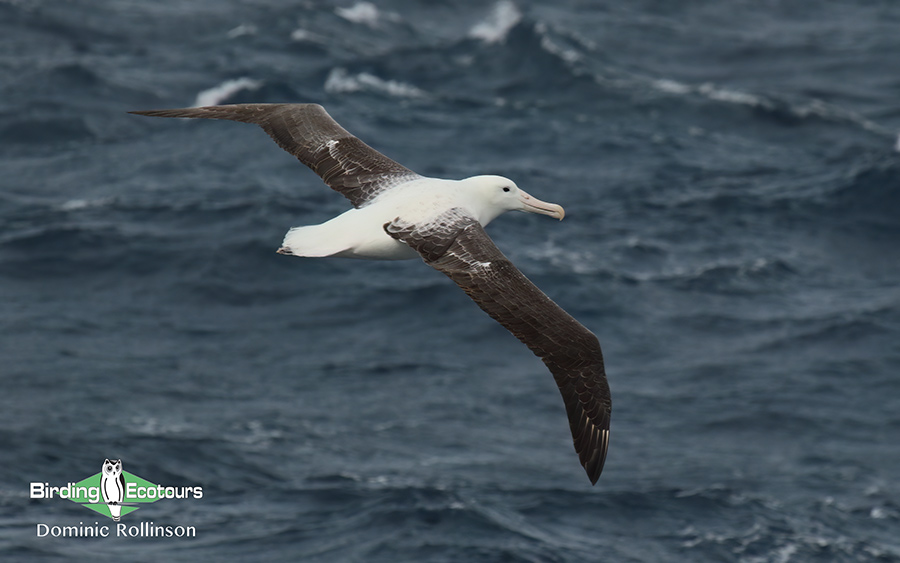
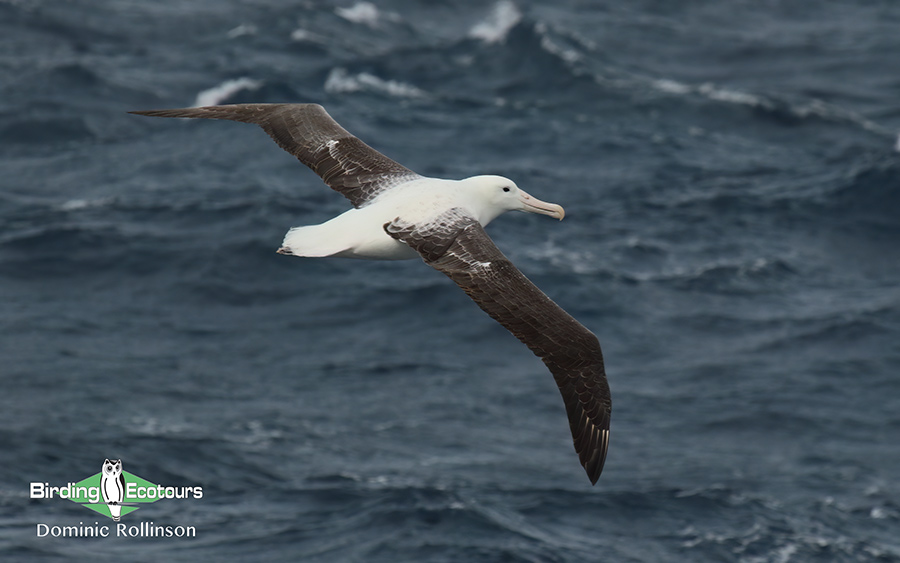 Watching regal Southern Royal Albatrosses is sure to be a trip highlight.
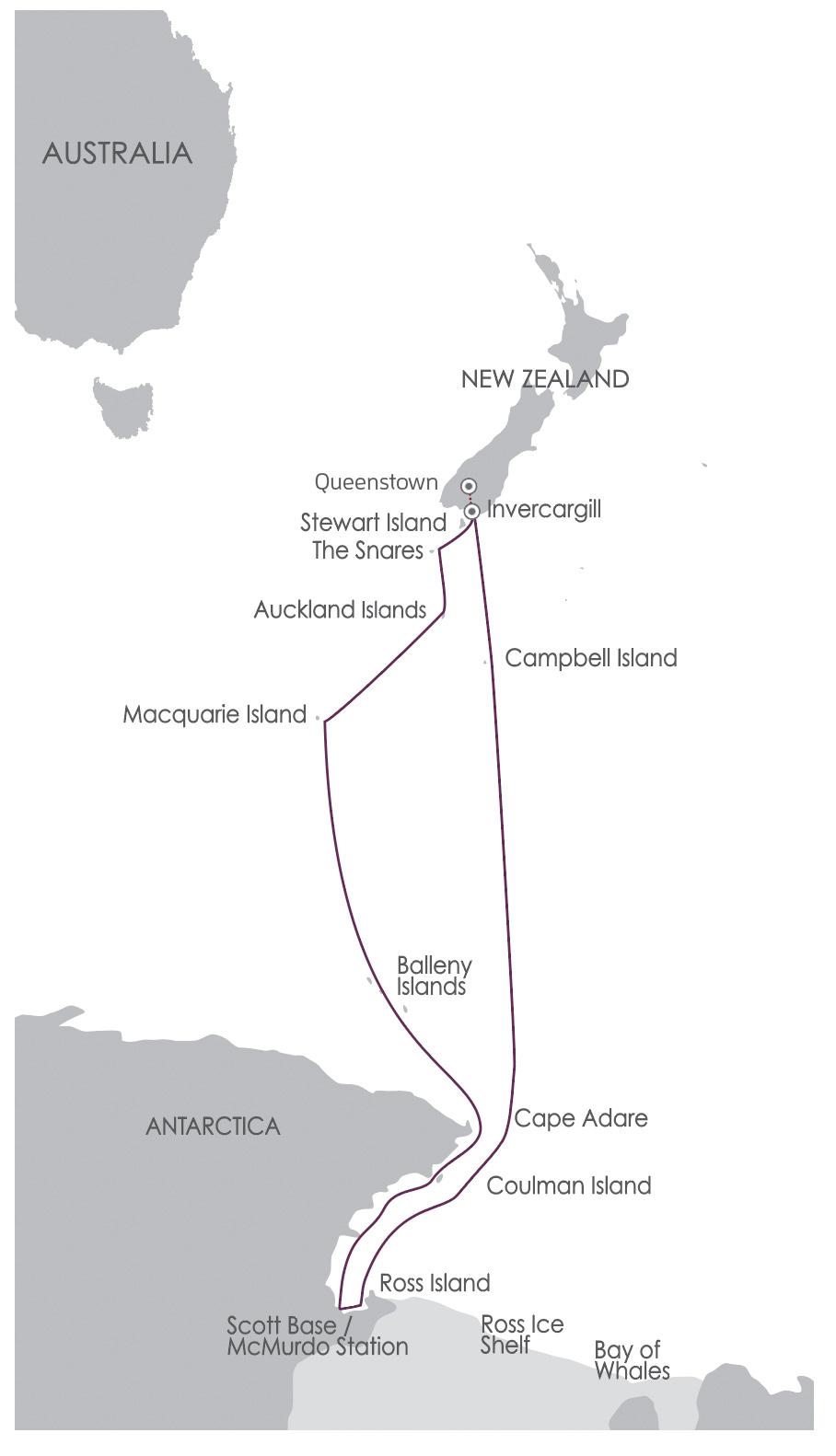
We begin in Queenstown before traveling south to Bluff and boarding our ship. From here, we enter the Southern Ocean and immediately encounter some of the most exciting birding of the trip. Our first destination is The Snares, the closest of New Zealand’s Subantarctic island groups. Although landing is prohibited, Zodiac cruising along North East Island should provide excellent views of the rugged coastline and its remarkable avifauna. The island supports endemic Snares Penguin, the scarce Snares Snipe, an endemic subspecies of Tomtit, and New Zealand Fernbird, while Pintado Petrels and Antarctic Terns are also expected. Enormous numbers of Sooty Shearwaters breed here, and the waters around the islands can also produce further seabirds.
Next comes the Auckland Islands, where we will land on Enderby Island and spend considerable time birding on foot. This is one of the expedition’s best opportunities to target localized Subantarctic species, including Auckland Shag, Auckland Teal, Double-banded Plover, the Auckland Islands subspecies of Tomtit, Yellow-eyed Penguin, Red-crowned Parakeet, New Zealand Pipit, and the highly desirable Subantarctic Snipe. Southern Royal Albatross, Light-mantled Albatross, and Northern Giant Petrel add a strong pelagic component to the birding, while New Zealand (Hooker’s) Sea Lions provide a memorable bonus. The island’s eradication of introduced pests has also allowed its native vegetation and birdlife to recover, making this a particularly rewarding place to explore.
Macquarie Island is another major birding highlight. This remote Australian territory supports immense breeding colonies of four penguin species: King, Eastern Rockhopper, Gentoo, and the endemic Royal Penguin. The Royal Penguin is particularly important for birders, as the entire global population breeds on Macquarie Island and the nearby Bishop and Clerk Islets. We will visit the approved landing sites at Sandy Bay and Buckles Bay and, conditions permitting, make a Zodiac excursion into Lusitania Bay, where an enormous King Penguin colony provides one of the great wildlife spectacles of the Southern Ocean. Macquarie also supports four albatross species—Wandering, Black-browed, Grey-headed, and Light-mantled—along with three species of fur seal.
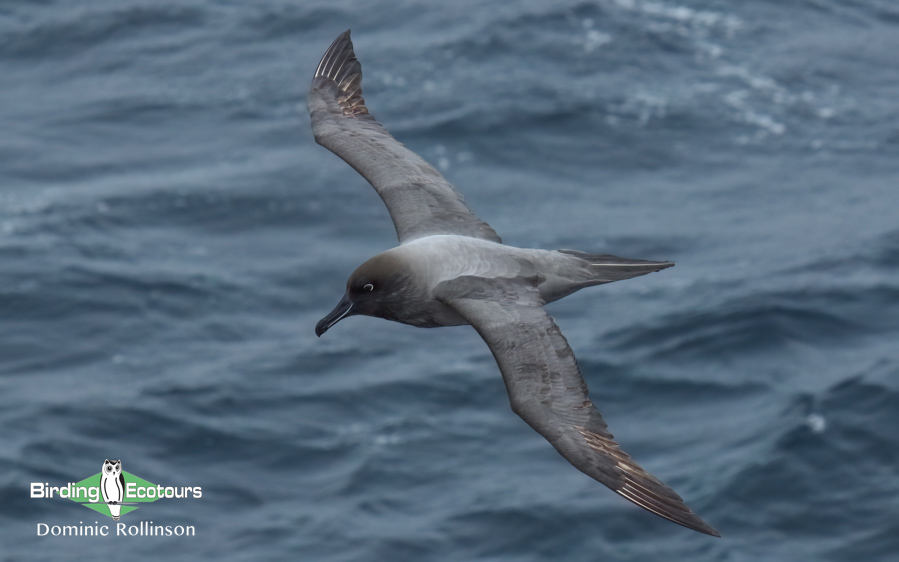
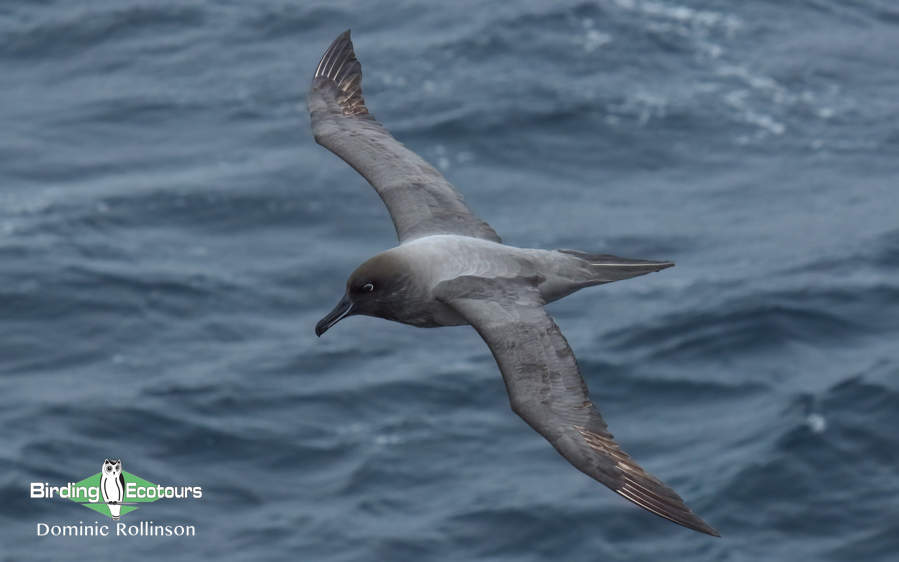 The majestic Light-mantled Albatross breeds on Macquarie Island.
The days at sea are an important part of the birding itinerary rather than simply transit between destinations. We will be spending long periods in some of the world’s most productive Southern Ocean waters, providing the possibility of an impressive range of pelagic species. Among the birds we may encounter are Wandering, Southern Royal, Shy, Light-mantled, Grey-headed, and Black-browed Albatrosses, as well as White-chinned, Mottled, White-headed, and Pintado Petrels, diving-petrels, Grey-backed Storm Petrel, and Black-bellied Storm Petrel. For experienced seabirders, these extended periods of seawatching could prove to be among the most productive birding of the entire expedition.
As we continue south, we cross the Antarctic Convergence and eventually the Antarctic Circle, entering increasingly cold and productive Antarctic waters. Icebergs become a regular feature, while prolonged time at sea and changing water masses provide excellent potential for an impressive Southern Ocean seabird list.
The centerpiece of the expedition is our extended exploration of the Ross Sea region. With sea ice and weather conditions highly variable, there is no rigid day-by-day schedule; instead, the captain and expedition leader will assess conditions and make the most of opportunities for landings and Zodiac excursions. This flexibility allows us to focus on productive sites and maximize our chances of encountering the region’s principal Antarctic birds.
Cape Adare is a major highlight, supporting one of Antarctica’s largest Adelie Penguin rookeries, with more than a million birds gathering here during summer. Cape Hallett, Franklin Island, and the Possession Islands offer further opportunities for Adelie Penguins and other breeding seabirds amid spectacular Antarctic scenery.
Ross Island provides additional outstanding birding, particularly at Cape Bird and Cape Royds, where Adelie Penguins breed in huge numbers. At Cape Royds, thousands of penguins surround Sir Ernest Shackleton’s historic hut. Mount Erebus dominates the wider Ross Island landscape, while Cape Evans offers another glimpse into the Heroic Age of Antarctic exploration. Depending on conditions, we may also reach McMurdo, Scott Base, and other research stations.
Emperor Penguin is a major target of the Ross Sea expedition, with sightings having been recorded consistently on Ross Sea voyages. Encounters can range from single birds on pack ice to groups numbering in the dozens or even more than 100 birds.
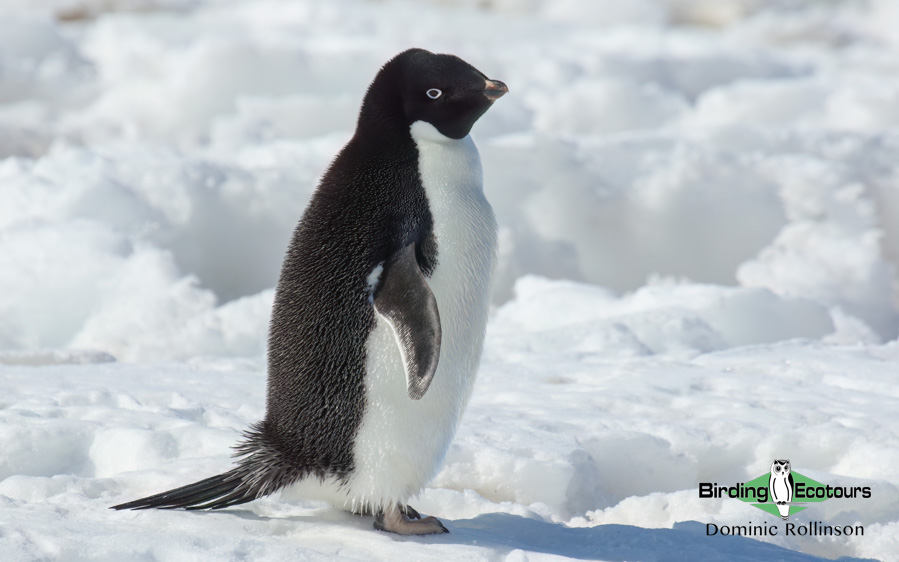
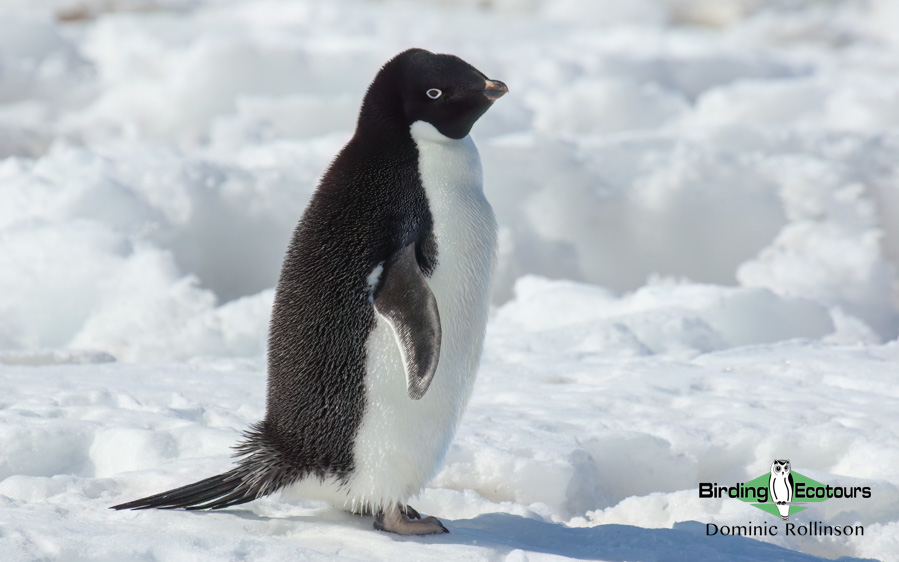 This Antarctic cruise will produce an assortment of exciting penguin species such as the cute Adelie Penguin.
After our Antarctic exploration, the return voyage north provides additional opportunities for pelagic birding before we reach Campbell Island. This remote New Zealand Subantarctic island is another significant birding destination, with Campbell Shag, penguins, fur seals, and New Zealand Sea Lion. The principal avian target is Southern Royal Albatross, with more than 6,000 pairs breeding on the island. A walk to the breeding grounds should provide excellent opportunities to observe these enormous albatrosses at close range and study their behavior and spectacular aerial interactions.
Taken as a whole, this expedition represents an extraordinary concentration of Southern Ocean birding. It combines several highly restricted Subantarctic species, vast penguin colonies, multiple albatross species, a broad selection of petrels and other pelagic seabirds, and the incomparable experience of birding in Antarctica itself. For the dedicated birder, the appeal lies not only in the headline species and spectacular colonies, but also in the opportunity to spend extended periods at sea in pursuit of some of the world’s most impressive and challenging seabirds.
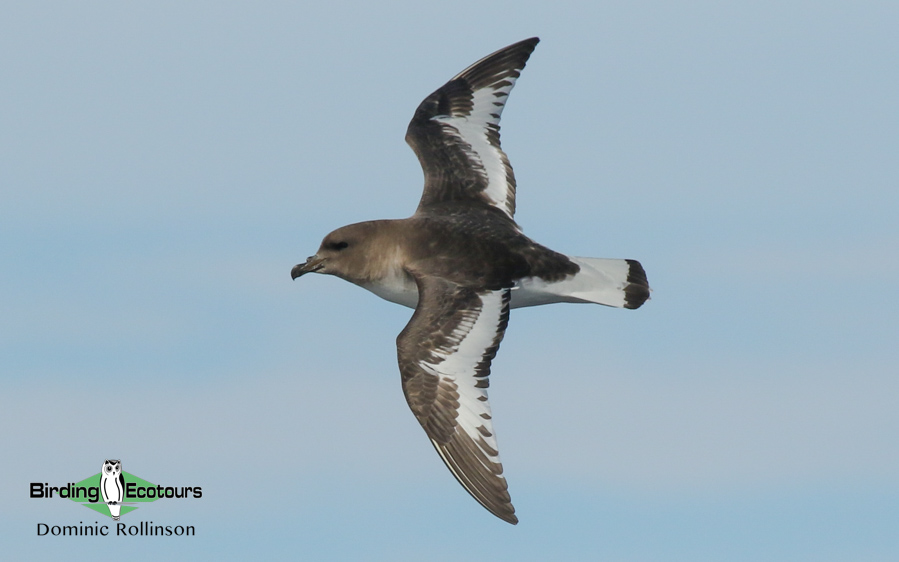
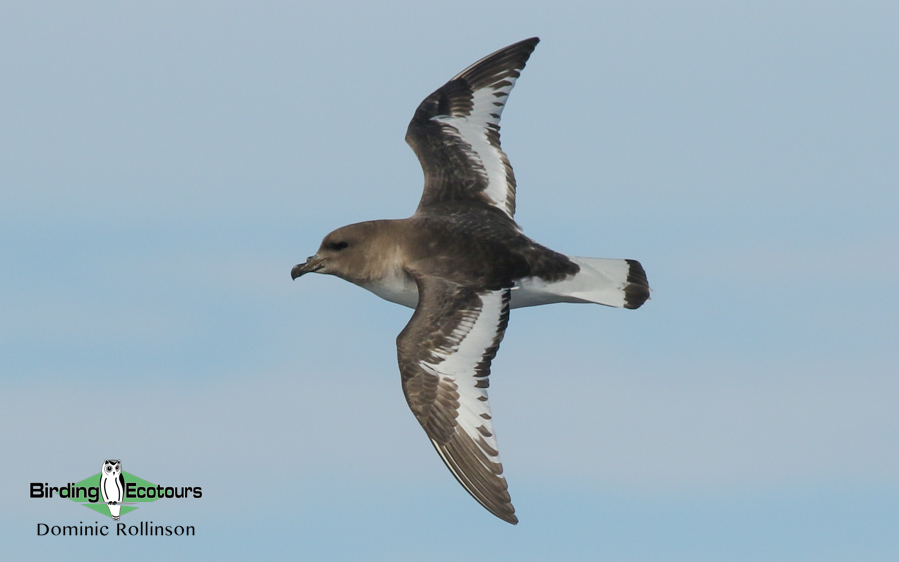 Antarctic Petrel may be seen down south in the Ross Sea.
Detailed Itinerary (28 days/27 nights)
Day 1: Arrival in Queenstown
Today we’ll arrive in Queenstown, the renowned alpine resort town on New Zealand’s South Island. You will then make your way to our designated hotel, where we will stay overnight before the expedition begins. This evening, we will gather over dinner at the hotel, providing an opportunity to meet your fellow travelers and members of the expedition team.
Day 2: Setting sail from Bluff
After breakfast at the hotel, the morning is free to explore Queenstown at your leisure. We will return to the hotel for lunch before transferring to Bluff, where we board our expedition ship. Once aboard, you will have time to settle into your cabin and familiarize yourself with the vessel. As we sail, we will keep an eye out for seabirds as we begin our journey toward The Snares.
Day 3: The Snares – North East Island
The Snares are the Subantarctic Islands closest to New Zealand. Their name dates back to Lieutenant Broughton, who discovered them in 1791 and apparently regarded the islands as a potential hazard to shipping. The group consists of two principal islands and several rocky islets and is both uninhabited and strictly protected. North East Island, the largest island in the group, is reputed to support more nesting seabirds than all of the British Isles combined.
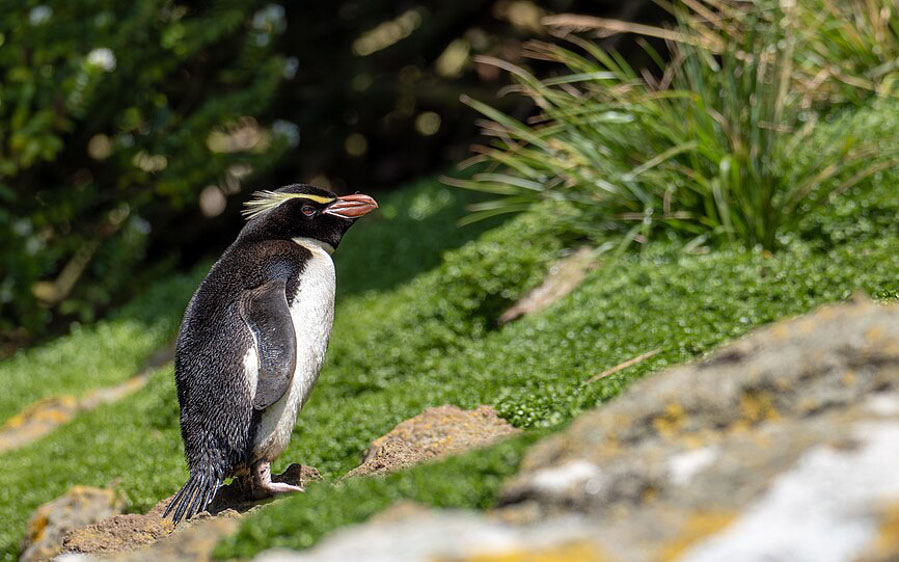 Snares Penguin should be seen in large numbers at their breeding colonies on The Snares (photo Genevieve Early – Wikimedia Commons).
We expect to arrive early and, weather and sea conditions permitting, explore the sheltered eastern coastline by Zodiac. No landings are allowed on The Snares. From the water, we should have excellent opportunities to see the endemic Snares Penguin, an endemic subspecies of Tomtit, and New Zealand Fernbird, along with good numbers of Pintado Petrels and Antarctic Terns. Other terrestrial species to keep an eye out for include Silvereye, New Zealand Fantail and an assortment of introduced species. We will keep a lookout for the rare Snares Snipe from the water. Vast numbers of Sooty Shearwaters breed here, although the precise population remains a matter of debate. Buller’s Albatross breeds on The Snares during the austral summer and may still be present during our visit as well as Salvin’s Albatrosses, which breed on islets to the west of the main islands, may also be seen in the area. Other seabird species we hope to encounter while around The Snares include Mottled Petrel, Common Diving Petrel, Broad-billed and Fulmar Prions and Southern Fulmar.
Day 4: The Auckland Islands – Enderby Island
The Auckland Islands were formed by volcanic activity some 10–25 million years ago and were subsequently shaped by erosion and glaciation. Today, the resulting archipelago is one of the most impressive wildlife destinations in the Subantarctic. Enderby Island, the northernmost island in the group, is particularly scenic and offers relatively straightforward opportunities for landing and walking, and may produce sightings of New Zealand Falcon.
Introduced pests were eradicated from the island in 1994, allowing the native vegetation and bird populations, including the diverse herbaceous flora, to recover dramatically. We plan to land at Sandy Bay, one of three breeding sites for New Zealand (Hooker’s) Sea Lion. Large beachmaster bulls can often be seen defending their harems, while females give birth to a single pup before mating again.
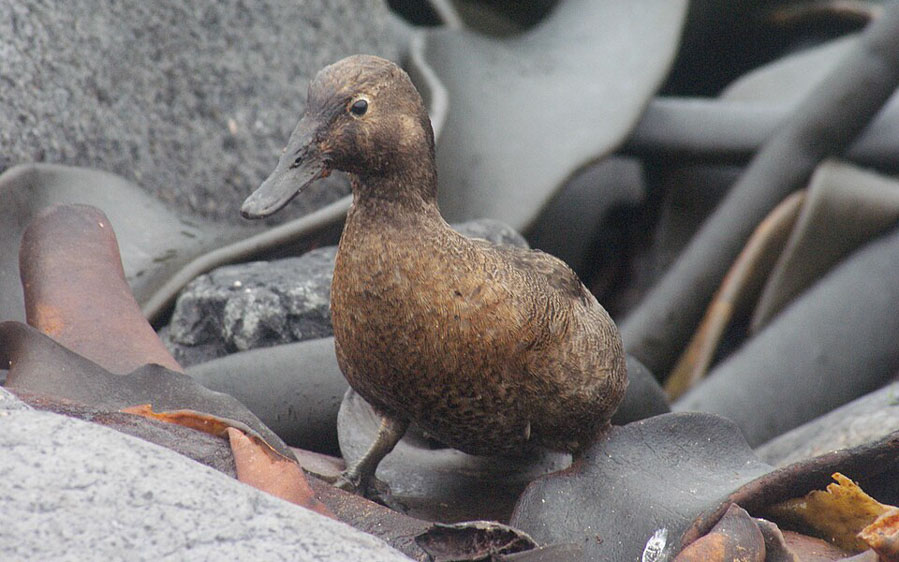 Auckland Teal will be searched for while on the Auckland Islands (photo Kimberley Collins – Wikimedia Commons).
There will be a choice of walks, ranging from shorter outings to longer excursions around the island. A boardwalk crosses the island toward its dramatic western cliffs, after which we can follow the coastline on a circuit. Among the birds we hope to encounter are Southern Royal Albatross, Antipodean Albatrosses (of the gibsoni subspecies), Northern Giant Petrel, Auckland Shag, Auckland Teal, Double-banded Plover, Tomtit (the Auckland Islands subspecies), New Zealand Bellbird, Tui, New Zealand Pipit, Red-crowned Parakeet, Yellow-eyed Penguin, and Light-mantled Albatross. There is also a good possibility of finding Subantarctic Snipe. The surrounding waters may yield the likes of White-headed Petrel, Antarctic and Fulmar Prions, and White-faced, Black-bellied and Grey-backed Storm Petrels.
Day 5: At sea to Macquarie Island
We will spend the day at sea, with a program of lectures and presentations covering the natural history and exploration of the Subantarctic Islands and the Southern Ocean. There will also be plenty of time for seawatching, and the pelagic birding can be particularly rewarding.
Species we may encounter include Wandering Albatross, Southern Royal Albatross, Shy Albatross, Light-mantled Albatross, Grey-headed Albatross, Black-browed Albatross, White-chinned Petrel, Mottled Petrel, White-headed Petrel, Pintado Petrel, diving-petrels, Grey-backed Storm Petrel, and Black-bellied Storm Petrel, among others.
Days 6–7: Macquarie Island
Macquarie Island, one of Australia’s important Subantarctic territories, supports an extraordinary concentration of wildlife. Four species of penguin breed here, including enormous colonies of King and endemic Royal Penguins as well as smaller numbers of Eastern Rockhopper and Gentoo Penguins. During our two days, we plan to make use of two approved landing sites, Sandy Bay and Buckles Bay, as well as undertake a Zodiac cruise at Lusitania Bay if conditions allow.
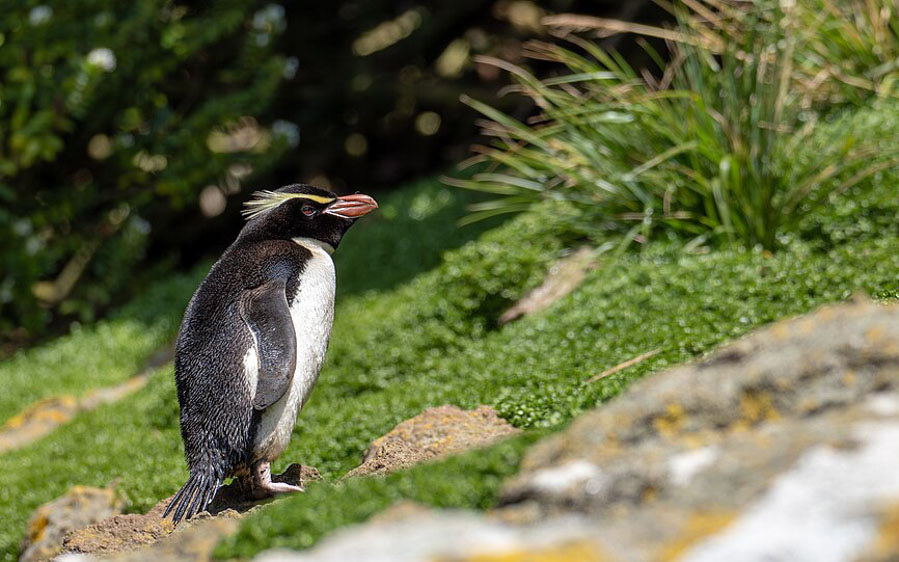
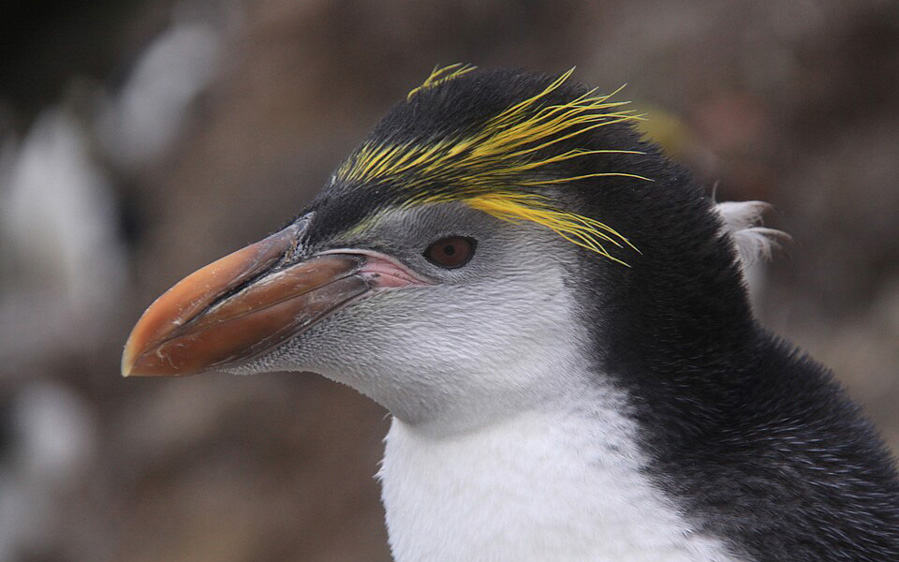
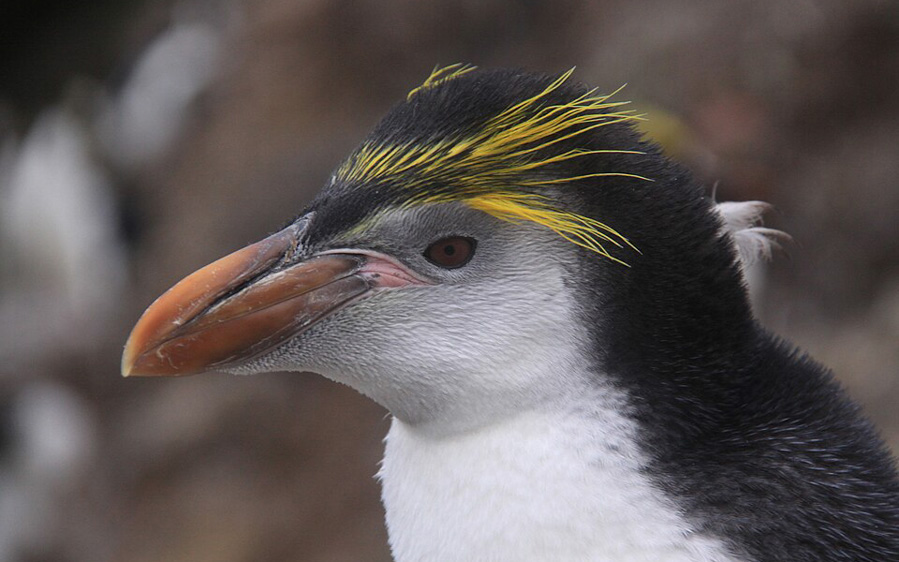 Royal Penguins are sure to entertain us on Macquarie Island (photo Mark Fraser – Wikimedia Commons).
At Sandy Bay, the Royal Penguin colony is a memorable spectacle, with birds constantly moving between the sea and their breeding grounds, their golden head plumes visible as they pass. Royal Penguins are endemic to Macquarie Island and nearby Bishop and Clerk Islets, where they breed in enormous colonies. A large King Penguin colony is also present. The penguins are remarkably confiding and inquisitive, and simply standing quietly can result in superb close encounters.
At Buckles Bay, we hope to have a guided visit to the Australian Antarctic Division base, established in the late 1940s and continuously manned since that time. Southern Elephant Seals are abundant around both landing sites, where adults gather in large groups during their annual molt. Younger males can sometimes be seen sparring in the shallows as they develop the skills they will eventually need to establish harems.
The King Penguin colony at Lusitania Bay is another highlight. As our Zodiacs approach, King Penguins may porpoise around the boats while a huge colony occupies the shore. The rusting remains of old oil-processing equipment provide a stark reminder of the former exploitation of penguins, while today the birds have reclaimed the area. A major pest-eradication program gave the island pest-free status in 2014, and the subsequent recovery of its native wildlife and vegetation has been remarkable.
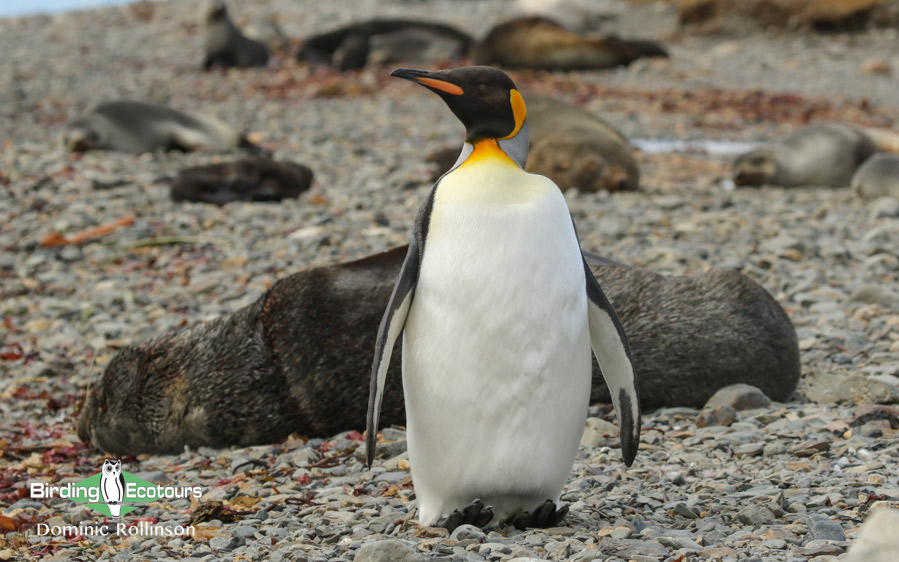
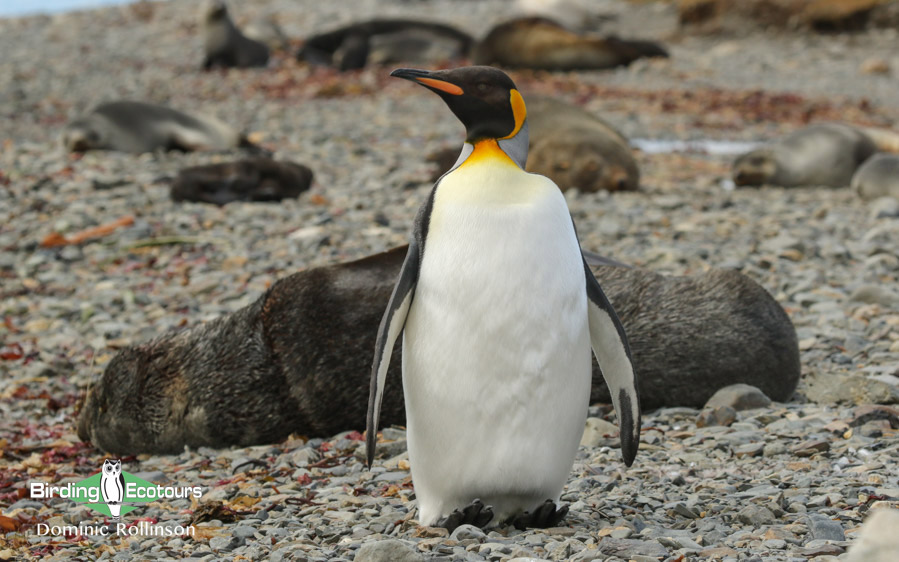 King Penguin, yet another exciting penguin species we should see on this cruise.
One of our important targets will be the endemic subspecies of Imperial Shag, while Pacific Black Duck may be seen in coastal tussac areas. In addition to its penguins and Southern Elephant Seals, Macquarie Island supports three species of fur seal (Antarctic, Subantarctic and New Zealand Fur Seals) and four species of albatross: Wandering, Black-browed, Grey-headed, and Light-mantled. Other tubenoses to look out for include Southern Giant and Northern Giant Petrels, White-headed Petrel, Blue Petrel and Fairy, Slender-billed and Antarctic Prions, with the latter being the most numerous prion.
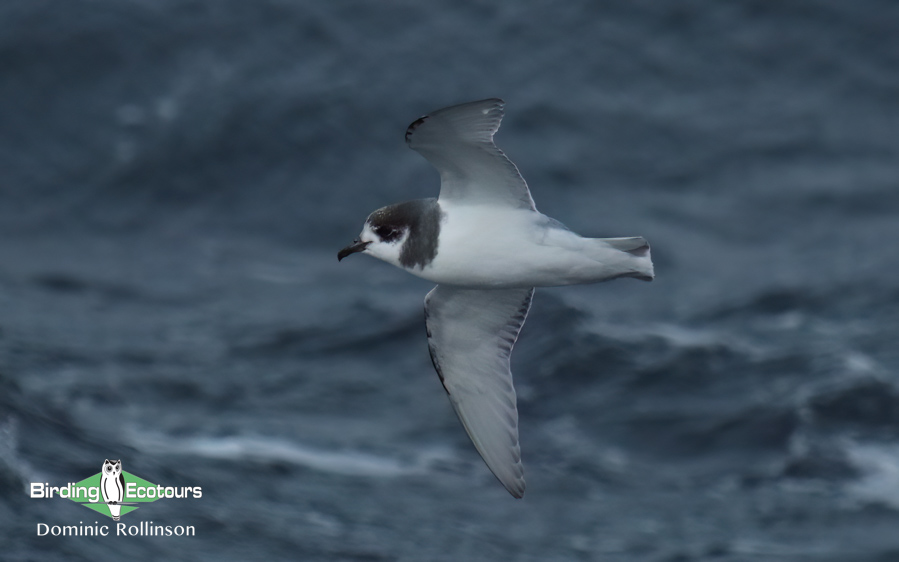
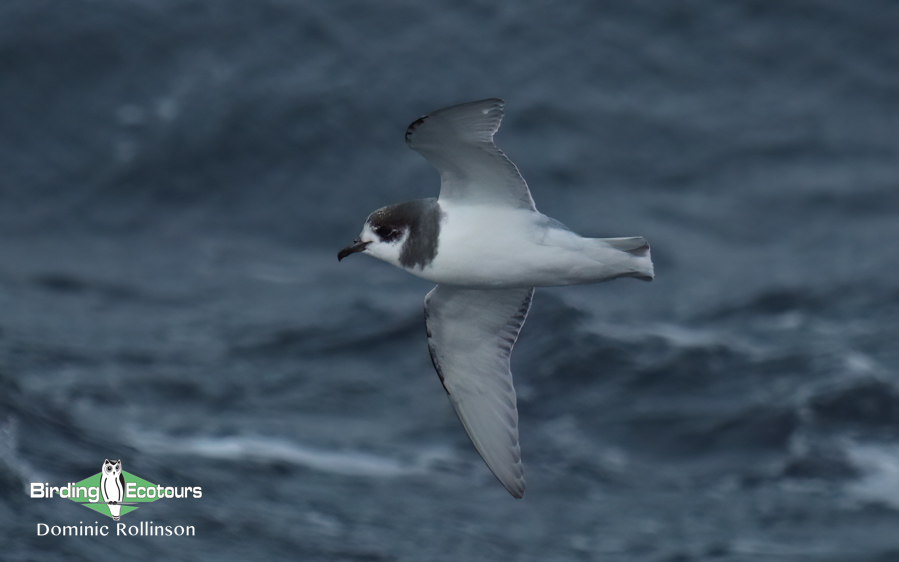 Blue Petrel, and other seabird species, should keep us entertained on our days at sea.
Days 8–10: At sea, heading south
As we continue south through the Southern Ocean, albatrosses and petrels will accompany the vessel, providing further opportunities for pelagic birding. Our lecture program now turns toward Antarctica and the Ross Sea region, giving us useful background ahead of the next stage of the expedition. We will monitor sea temperatures as we cross the Antarctic Convergence and enter the colder, highly productive Antarctic waters. Icebergs will become an increasingly prominent feature, with their unusual forms and colors creating constantly changing photographic opportunities. The captain may bring the vessel close to suitable icebergs, and we will celebrate as we cross the Antarctic Circle and enter the increasingly long summer daylight of Antarctica.
There will also be time to relax aboard the ship, perhaps with a drink in the bar or some reading in the library. Those traveling with laptops can use the quieter periods to download and edit photographs while the memories are still fresh.
Days 11–22: Exploring Antarctica’s Ross Sea Region
Our extended stay in the Ross Sea region focuses on some of the most important wildlife, historic, scientific, and scenic sites in Antarctica. Because sea ice and weather can change rapidly, it is not possible to provide a fixed day-by-day schedule. Instead, the captain and expedition leader will assess conditions each day and make the most of suitable opportunities for landings and Zodiac excursions. While individual landings cannot be guaranteed, the following locations are among those we hope to visit:
As we explore the Ross Sea we will keep a particularly close eye on the sea ice and ice edge for Emperor Penguins. These magnificent penguins can sometimes be encountered singly or in groups resting on the ice, providing one of the most sought-after birding experiences of the Ross Sea.
Cape Adare: As we approach Cape Adare, ice conditions permitting, the dramatic headland and Downshire Cliffs mark the northern entrance to the Ross Sea. Cape Adare supports one of Antarctica’s largest Adelie Penguin colonies with masses of birds gathering on the broad, flat spit during the height of summer. The sheer scale and constant activity of this penguin colony are unforgettable, and we can watch courtship, territorial disputes, nest-building, and adults feeding their hungry chicks. South Polar Skuas may be seen scavenging on the edges of the colony and we’ll keep a lookout for this species during our time in the Ross Sea. We also hope to find Antarctic Petrel and the angelic Snow Petrel which feed along the edges of the ice flows.
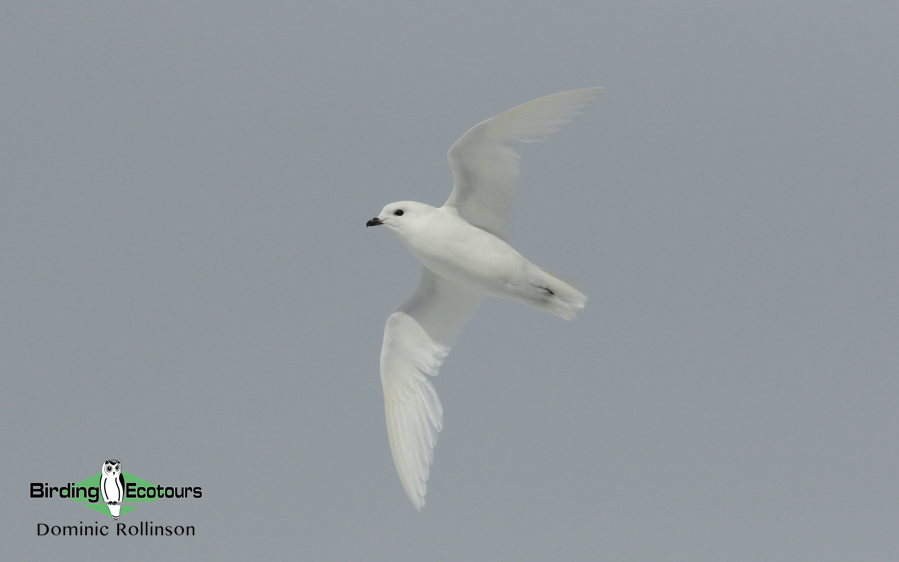
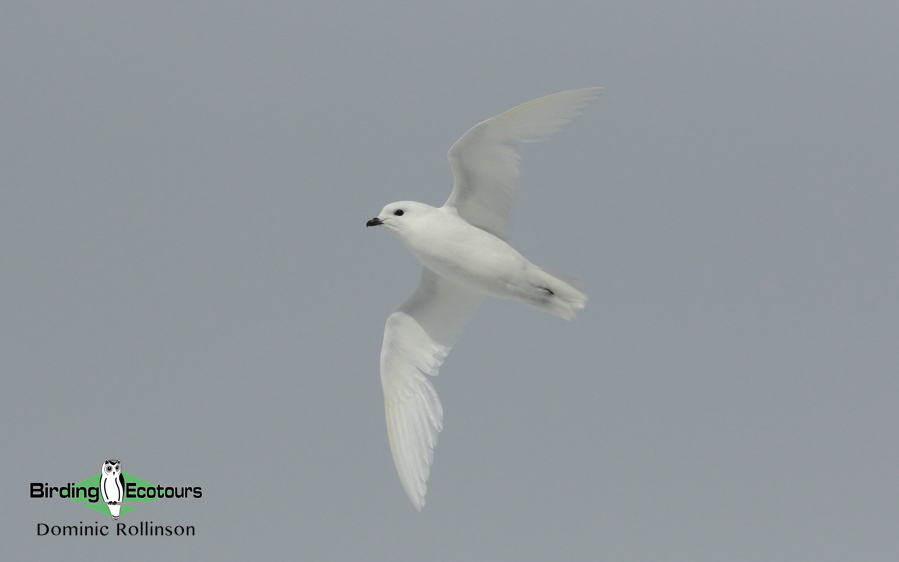 The angelic Snow Petrel will be targeted while in the Ross Sea.
Amid the penguin colony stands Borchgrevink’s Hut, Antarctica’s oldest hut and the overwintering shelter used by the first expedition to the continent in 1899. The interior remains remarkably well preserved and contains artifacts from the early explorers, offering a fascinating insight into the Heroic Age of Antarctic exploration. High on the hills behind Cape Adare is the oldest grave in Antarctica, that of 29-year-old Nicolai Hansen, who was a member of Borchgrevink’s expedition.
Cape Hallett: The towering Admiralty Range provides a spectacular backdrop as we reach Cape Hallett, where mountains rise more than 13,100 feet (4,000 meters) above sea level and immense glaciers descend toward the coast. We plan to land near the former American/New Zealand base, an area that supports large numbers of Adelie Penguins and Weddell Seals.
Franklin Island: Located deep within the Ross Sea, rugged Franklin Island holds a substantial Adelie Penguin colony as well as other breeding seabirds. We will attempt to land by Zodiac near the rookery and, conditions permitting, explore parts of the coastline on foot.
Possession Islands: These small, rocky islands off Cape Hallett are seldom visited. Foyn Island supports an Adelie Penguin rookery numbering tens of thousands of birds. From here, the busy colony can be viewed against the impressive backdrop of the Admiralty Mountains.
Ross Ice Shelf: The Ross Ice Shelf is the largest ice shelf in Antarctica and one of the largest areas of floating ice on Earth. It forms a formidable natural barrier and can be accompanied by severe conditions as katabatic winds sweep down from the polar ice cap. The shelf helped prevent early explorers from pushing farther south. We will cruise eastward along its front, where immense ice cliffs can rise around 100 feet (30 meters) above the sea and may occasionally release tabular icebergs.
Ross Island – Mount Erebus, Cape Bird, Shackleton’s Hut, and Scott’s Hut: Ross Island is dominated by Mount Erebus, an active volcano rising to 12,448 feet (3,794 meters). At Cape Bird, the New Zealand Antarctic program operates a field station where scientists conduct research into the region’s natural history, including studies of the large Adelie Penguin colony.
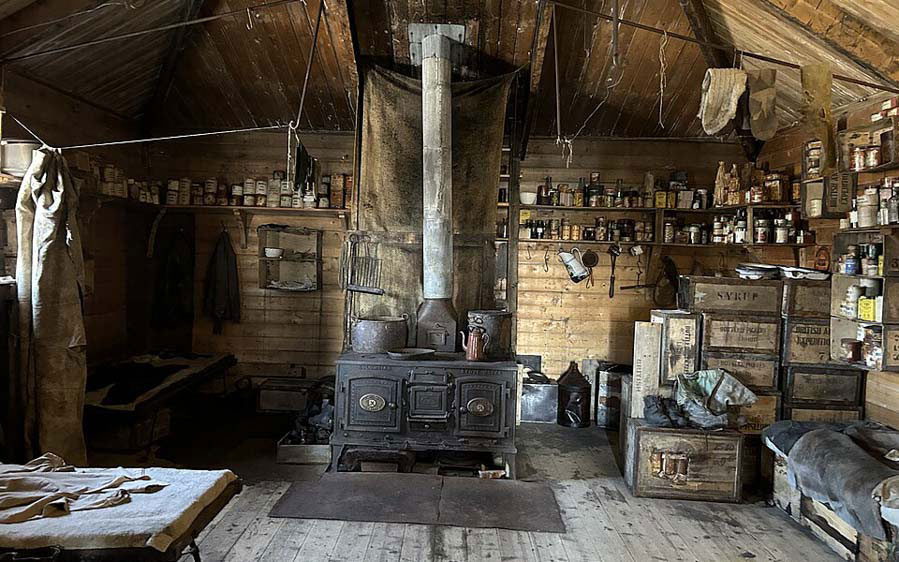 The interior of Shackleton’s Hut (photo AHT/Anna Clare – Wikimedia Commons).
At Cape Royds, we hope to visit Sir Ernest Shackleton’s hut, built during the 1907–1909 Nimrod Expedition. Our expedition team will provide insight into Shackleton’s remarkable polar journeys and the challenges faced by the explorers of the era. The hut is surrounded by thousands of Adelie Penguins, which occupy what is considered the world’s southernmost penguin rookery.
We also hope to visit Cape Evans, where Captain Robert Falcon Scott’s second hut was constructed in 1911. Carefully preserved by the Antarctic Heritage Trust, the hut offers an extraordinary glimpse into the harsh conditions endured by Scott, Wilson, Ponting, and their companions. Mount Erebus rises behind the site, its plume of smoke a reminder that the volcano remains active.
McMurdo and Scott Base (including Scott’s Discovery Hut): These sites remain high on our wish list, although access is dependent on sea ice, weather, and the operational requirements of national Antarctic programs and their icebreakers. We will keep an eye out for charismatic wildlife during our time in McMurdo Sound including species such as Orca, Crabeater Seal, Leopard Seal and attractively patterned Weddell Seals.
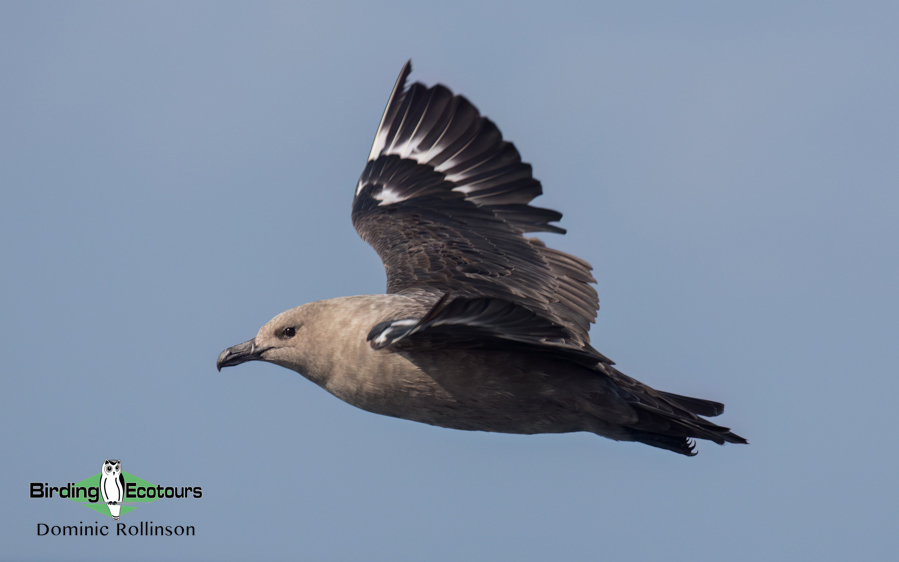
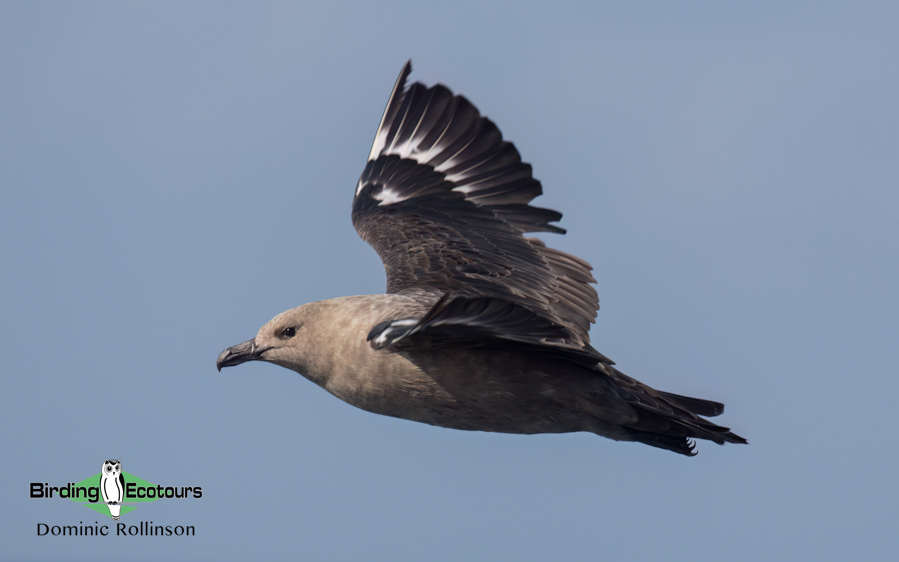 South Polar Skua breeds in small numbers in the Ross Sea.
Terra Nova Bay: At Terra Nova Bay, we may visit Stazione Mario Zucchelli, the Italian summer research station. Its distinctive shipping-container construction houses scientists and support staff conducting a wide range of research. The station’s staff are known for their hospitality and may show us around their isolated Antarctic base. The nearby German Gondwana Station is used periodically, while South Korea operates Jang Bogo Station and China has its Qinling Station on Inexpressible Island.
Days 23–25: At sea, heading back north
During our return voyage toward Campbell Island, a series of lectures will help prepare us for the next landing, while the Southern Ocean continues to offer opportunities for pelagic birding. After the excitement of Antarctica, these days at sea provide valuable time to rest, relax, and enjoy life aboard the vessel.
Day 26: Campbell Island
Campbell Island is New Zealand’s southernmost Subantarctic territory, situated approximately 410 miles (660 kilometers) south of Bluff. We will visit the main island and spend the day exploring on foot from Perseverance Harbour, a long inlet cutting into the island’s rolling landscape.
This is a spectacular place of rugged scenery, distinctive vegetation, and abundant wildlife. Southern Right Whales occasionally use Perseverance Harbour as a calving area, while the surroundings support Campbell Shag, Campbell Teal (one of New Zealand’s great conservation success stories), New Zealand Pipit, Subantarctic Snipe (of the Campbell Island subspecies), Yellow-eyed and Eastern Rockhopper Penguins, New Zealand Fur Seals, and the rare New Zealand Sea Lion. We can also see the remains of the now-abandoned New Zealand meteorological station.
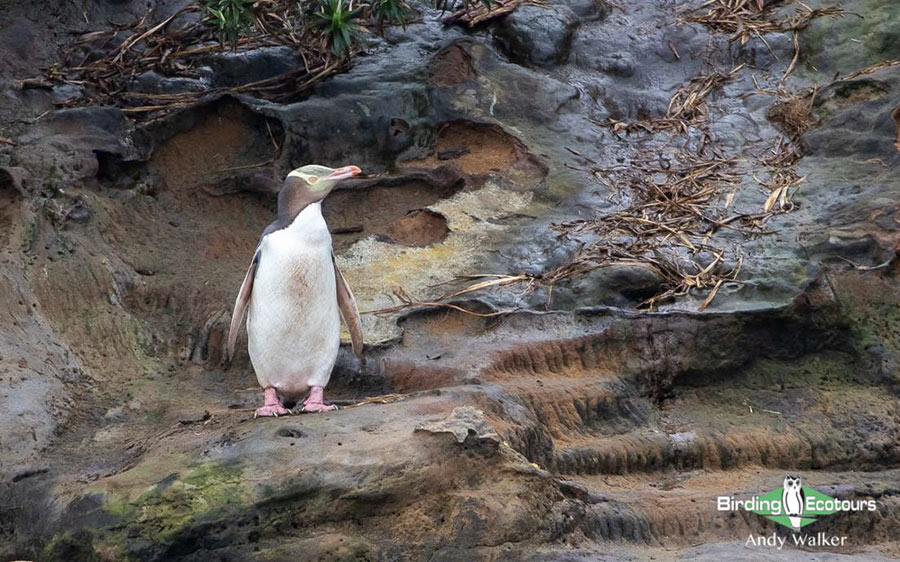
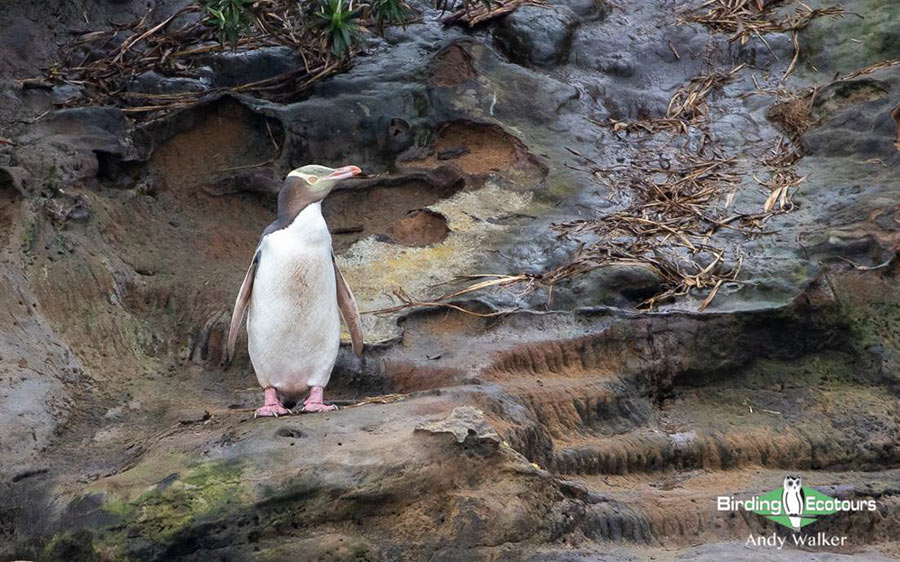 Yellow-eyed Penguin is one of two penguin species that breed on Campbell Island.
The principal highlight will be the walk to the hilltop breeding grounds of Southern Royal Albatross. More than 6,000 pairs breed on Campbell Island, and these magnificent birds are closely related to Wandering Albatrosses and are similar in size. Their impressive wingspans and aerial interactions should make for excellent photographic opportunities. We will look for the endemic Campbell Albatross (often lumped with Black-browed Albatross), smaller numbers of breeding Grey-headed and Light-mantled Albatrosses and hopefully some of the small breeding population of Antipodean Albatrosses (here of the antipodensis subspecies).
Day 27: At sea, back to New Zealand
We spend our final full day at sea while returning to Bluff. Take the opportunity to relax, reflect on the expedition, and enjoy the last hours aboard our ship. There will be time to download and edit any remaining photographs and to chat with members of the expedition team about the experiences of the voyage.
This evening, we will come together for a farewell dinner as we sail toward our final port.
Day 28: Departure from Invercargill or Queenstown
We will reach Bluff early this morning. After breakfast and completion of customs formalities, we will say farewell to our fellow voyagers before taking the complimentary coach transfer to either Invercargill or Queenstown Airport.
To allow for possible delays caused by weather or port operations, please do not schedule onward travel before midday from Invercargill or before 3:00 p.m. from Queenstown.
Note: During our voyage, circumstances may make it necessary or desirable to deviate from the proposed itinerary. This can include poor weather and opportunities for making unplanned excursions. Your expedition leader will keep you fully informed. This tour offers a variety of activities and excursions. Your personal interests will determine which of these you wish to join. Please note that some activities and excursions will run at similar times, and it will not be possible to participate in both. Accordingly, refunds for excursions and missed landings are not available. Voyages are planned and scheduled pending final regulatory approval. Landings at the Subantarctic Islands of New Zealand are by permit only as administered by the Government of New Zealand. No landings are permitted at The Snares.
Map