- Duration:
- 4 days
- Group Size:
- 4–8
- Tour Start:
- Saint-Denis, Réunion
- Tour End:
- Saint-Denis, Réunion
Birding Tour Réunion: Mascarene Petrel and Réunion Island Endemics
Details
2027
07–10 December
Per person sharing
€3,110 EUR
$3,657 USD / £2,735 GBP
Single supplement
€550 EUR
$647 USD / £484 GBP
2028
07–10 December
Per person sharing
€3,452 EUR
$4,059 USD / £3,036 GBP
Single supplement
€610 EUR
$717 USD / £537 GBP
Itinerary
Download ItineraryMascarene Petrel and Réunion Island Endemics
THIS TOUR PROVIDES A UNIQUE OPPORTUNITY TO SEE MASCARENE PETREL
This short three-night tour is carefully timed to maximize chances of seeing the Critically Endangered Mascarene Petrel. This tour is specifically timed to maximize our chances of seeing this Réunion breeding endemic, with two dedicated pelagic trips planned. There should also be a good number of other pelagic species seen during the tour, such as Barau’s Petrel (also a Réunion breeding endemic).
Réunion is a spectacular volcanic island situated in the western Indian Ocean between Mauritius and Madagascar and forms part of the Mascarene Islands. The island is renowned for its dramatic mountain scenery, lush forests and towering volcanic peaks. Much of the island is dominated by steep forested slopes and deep valleys, while the towering Piton des Neiges rises to 10,069 feet (3,069 meters) above sea level. Réunion is also home to the famous Piton de la Fournaise, one of the world’s most active volcanoes.
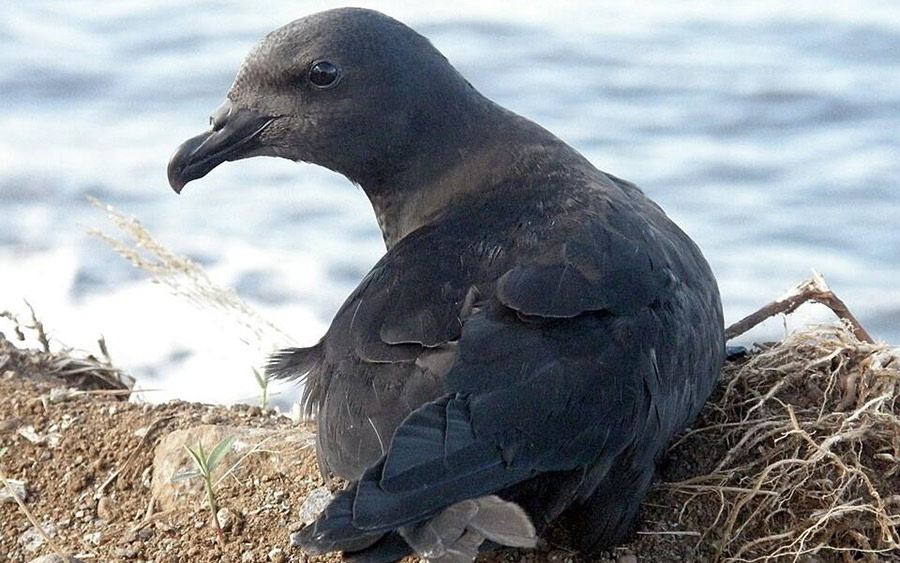 We hope that Mascarene Petrel will be the highlight of the trip (photo Olivier Comte).
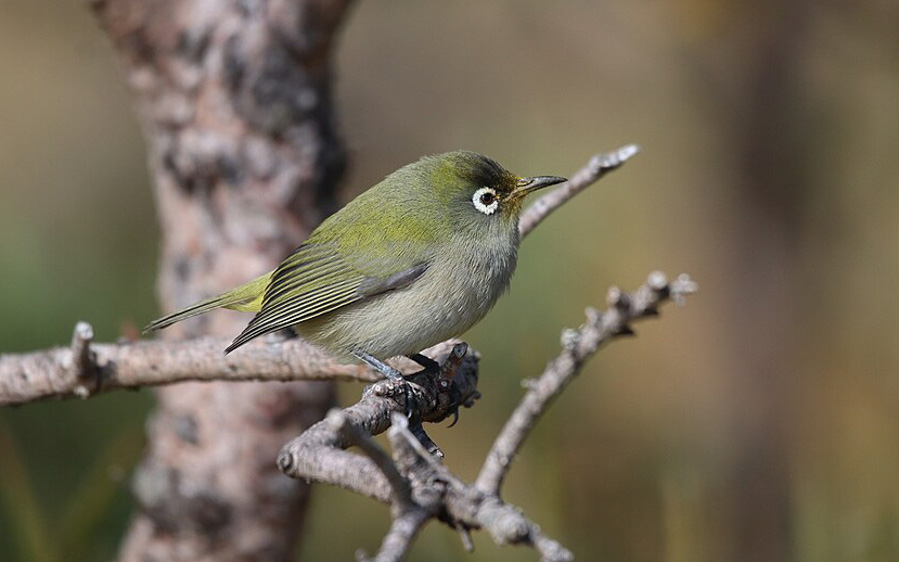
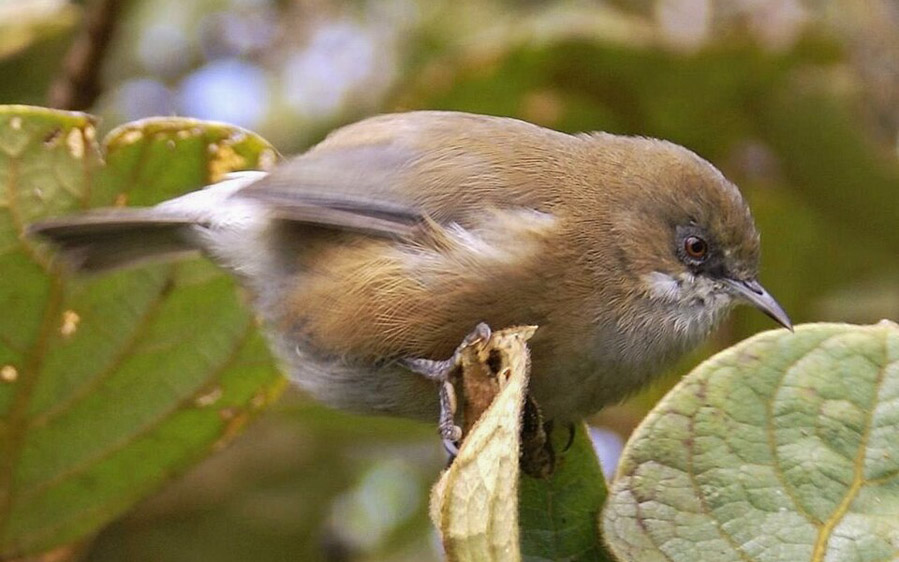
Other than the pelagic birding, we will also do our best to see all six of the island’s endemic land birds. Species we will search for include Reunion Cuckooshrike, Reunion Stonechat, Reunion Bulbul, Reunion Grey White-eye, Reunion Olive White-eye and Reunion Harrier, as well as endemic subspecies of Mascarene Swiftlet and Mascarene Paradise Flycatcher.
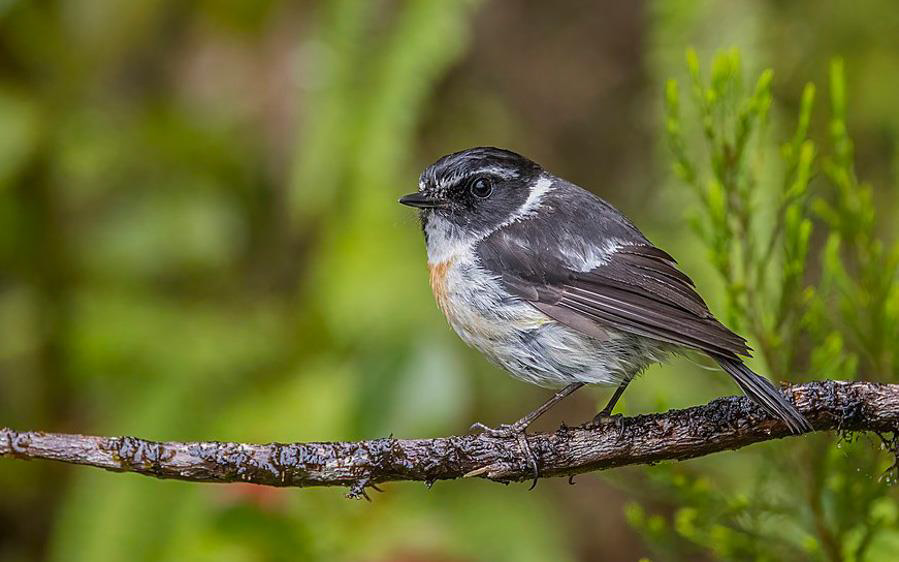 Reunion Stonechat is one of the Réunion endemics that we are likely to see during our time on the island (photo Charles J. Sharp).
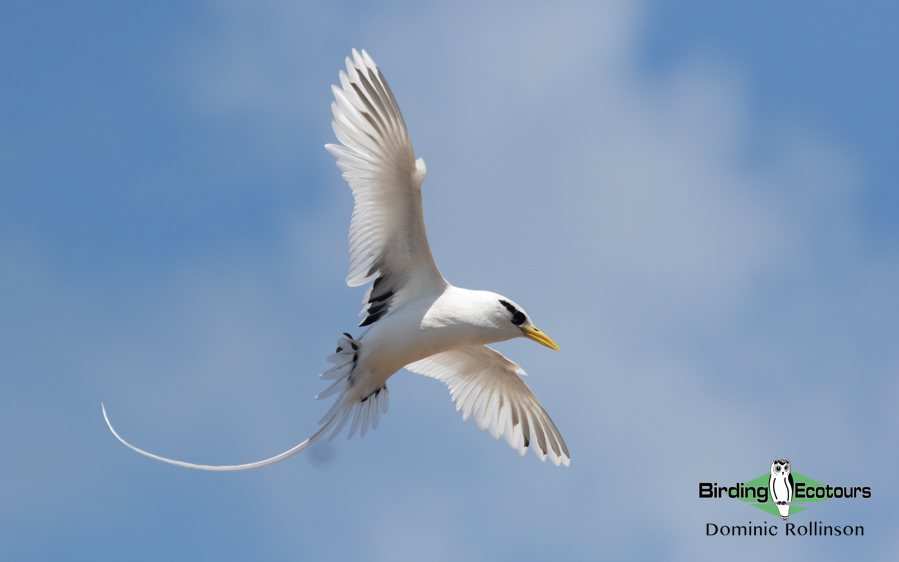
The pelagic trips off Réunion can be particularly exciting, with opportunities for large numbers of Barau’s Petrel gathering offshore in the evenings. Other possible seabirds include Wedge-tailed Shearwater, Tropical Shearwater, Lesser Noddy, Brown Noddy and White-tailed Tropicbird. By far the most sought-after species, however, remains the Mascarene Petrel, one of the world’s rarest seabirds.
Itinerary (4 days/3 nights)
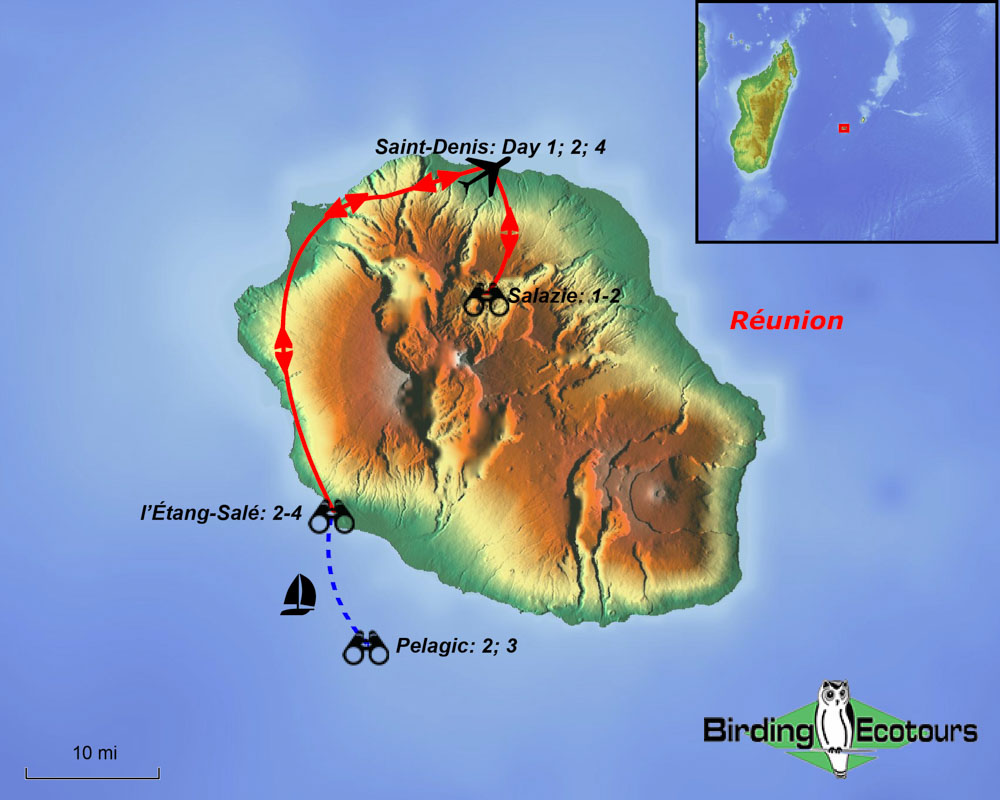
Day 1. Arrival in Réunion
After arriving at Roland Garros Airport (near Saint-Denis) before midday, we will transfer to our lodge high in the mountains of Réunion Island. The aim is to have our first attempt at some of the Réunion Island endemics on this afternoon. We will spend a few hours on the forested mountain slopes not far from our lodge. Otherwise, we will enjoy a meal together as we look forward to a good tour ahead.
Overnight: Sarana Hotel and Spa, Salazie area
Day 2. Réunion endemics birding and afternoon pelagic
Our first morning will be spent finding the endemics that inhabit the island. We should have no problem finding most, if not all, of them. Réunion is an incredibly mountainous island with the tallest mountain Piton des Neiges reaching just over 10,069 feet (3,069 meters) above sea level. We will focus our search along the trail going up the forested slopes of La Roche Ecrite in the north of the island.
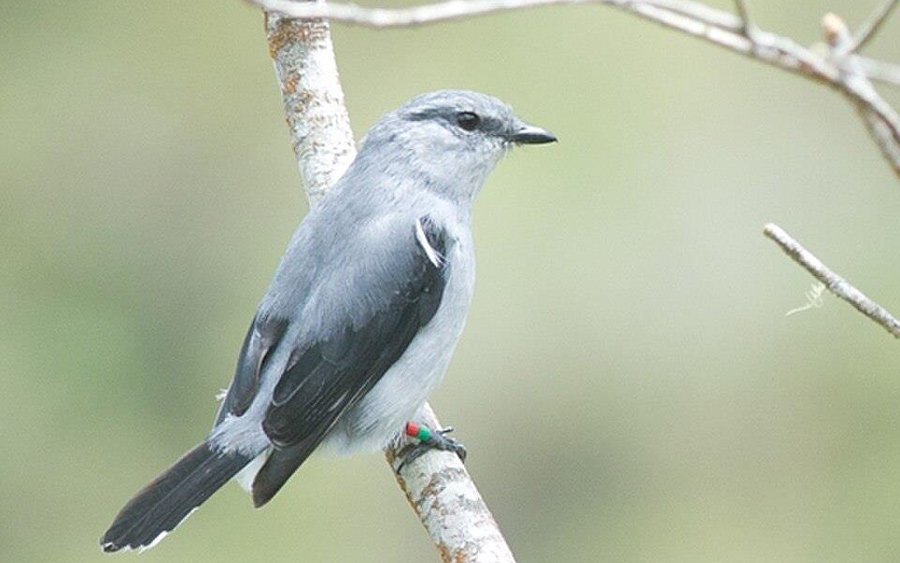 Reunion Cuckooshrike is the rarest terrestrial endemic (photo Jaime Martinez).
We should hopefully pick up Reunion Grey White-eye and Reunion Olive White-eye without much hassle. The Reunion Grey White-eye has several distinct forms, including three lowland forms and a highland form with two color morphs, and we will do our best to see all four forms. Reunion Stonechats are sometimes seen in the parking area at the base of the trail. After spending some time on the trail, we should hopefully pick up Reunion Bulbul and the bourbonnensis subspecies of Mascarene Paradise Flycatcher. Our main target here is Reunion Cuckooshrike. This species is regarded as Critically Endangered, with a population estimated at less than 100 mature individuals, that is still decreasing rapidly. With a good amount of time in its preferred microhabitat, and a bit of luck, we should add this species to the list. During our time moving around the island, we should also see Reunion Harrier and the endemic saffordi race of Mascarene Swiftlet.
After a good morning searching for the endemics, we will transfer to the southern coast of the island where we will check into our accommodation for the next two nights. At about 2:30 p.m., we will board a boat and head out to sea for our first attempt at seeing Mascarene Petrel. We will spend a couple of hours at sea, most likely until dark!
Overnight: Le Floralys, l’Étang-Salé
Day 3. Morning birding and afternoon pelagic
This morning will remain flexible; we will aim to visit one or two nearby sites for some more terrestrial birding and possibly visit Piton de la Fournaise, an active volcano in the south. This time will be used to improve views of some of the island’s endemics. After our morning endeavors, we will head back to the accommodation, enjoy a sit-down lunch and then head back out to sea for our second pelagic.
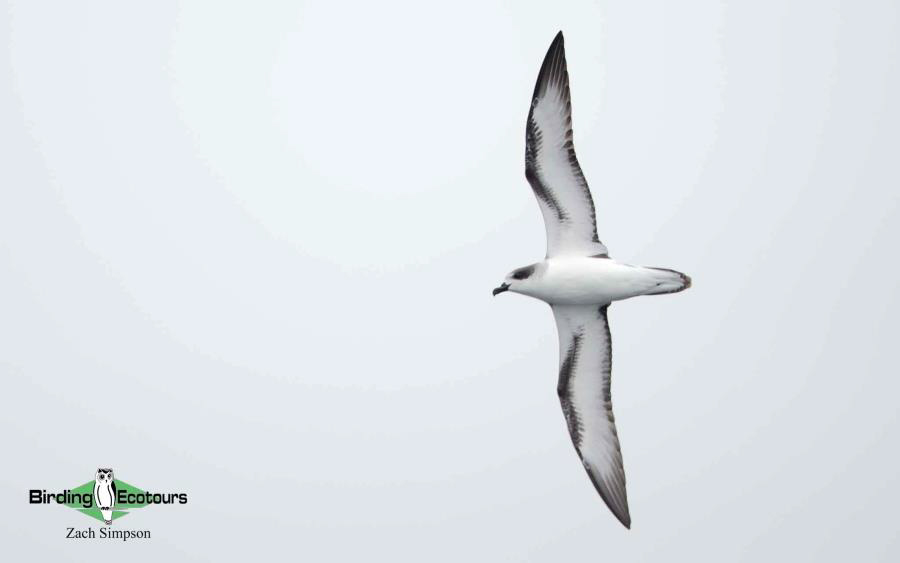 Barau’s Petrel is one of the two endemic breeding petrels on Réunion.
Pelagic trips off Réunion aim to offer an incredible opportunity to see large numbers of Barau’s Petrels. This species breeds on the island, and we will likely spend considerable time with them as they gather offshore in the evenings. We will most likely see some other seabirds, including Wedge-tailed and Tropical Shearwaters, Lesser and Brown Noddies and a few other seabird species. By far, the most sought-after and rare bird on the trip would be Mascarene Petrel. This species is the sole reason for offering two pelagic trips in the hope of maximizing our chances of seeing this incredible species. With only an estimated 50–100 pairs left, seeing this species would be a very special experience.
Overnight: Le Floralys, l’Étang-Salé
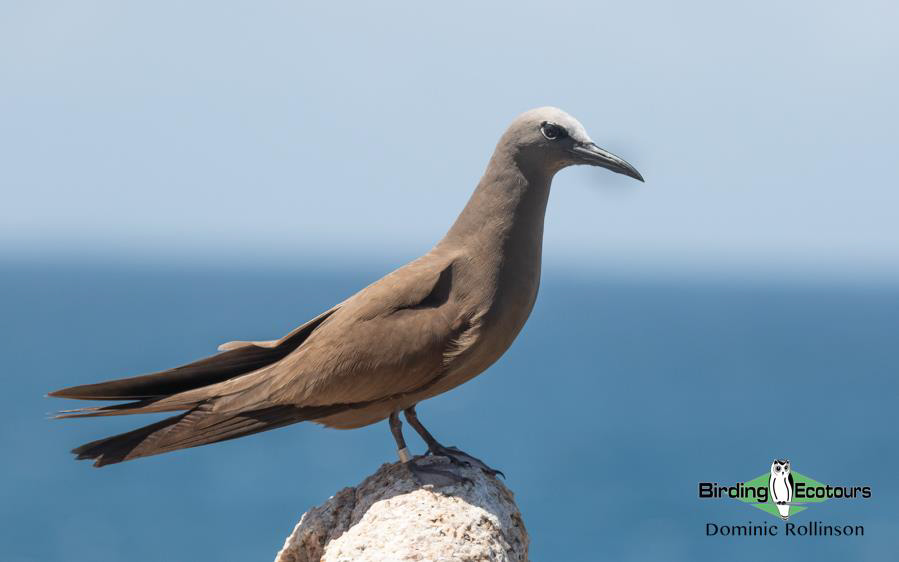 Brown Noddy is one of several seabird species we should see on our pelagic trips.
Day 4. Departure from Réunion
Our last morning will be spent enjoying a slow breakfast at the hotel, before making our way to Roland Garros Airport (Saint-Denis) for departure. We kindly ask that you book your international flight to depart after 1 p.m. today.
Please note that the itinerary cannot be guaranteed as it is only a rough guide and can be changed (usually slightly) due to factors such as availability of accommodation, updated information on the state of accommodation, roads, or birding sites, the discretion of the guides, and other factors. In addition, we sometimes have to use a different guide from the one advertised due to tour scheduling or other factors.
Map