- Duration:
- 6 days
- Group Size:
- 4–8
- Tour Start:
- Jacksons International Airport, Port Moresby, Papua New Guinea
- Tour End:
- Jacksons International Airport, Port Moresby, Papua New Guinea
Papua New Guinea Birding Tour: New Britain Premium Extension - Bismarck Archipelago Birding
Details
2028
15–20 September
Per person sharing
$5,325 USD
£4,234 GBP / €4,970 EUR
Single supplement
$607 USD
£483 GBP / €566 EUR
2029
16–21 September
Per person sharing
$5,910 USD
£4,699 GBP / €5,516 EUR
Single supplement
$675 USD
£537 GBP / €630 EUR
Itinerary
Download ItineraryPapua New Guinea Birding Tour: New Britain Premium Extension – Bismarck Archipelago Birding
Overview
This incredibly exciting premium extension to New Britain, the largest island in the Bismarck Archipelago of Papua New Guinea and a certified tropical paradise, offers the chance for some rarely seen and stunningly beautiful endemic birds.
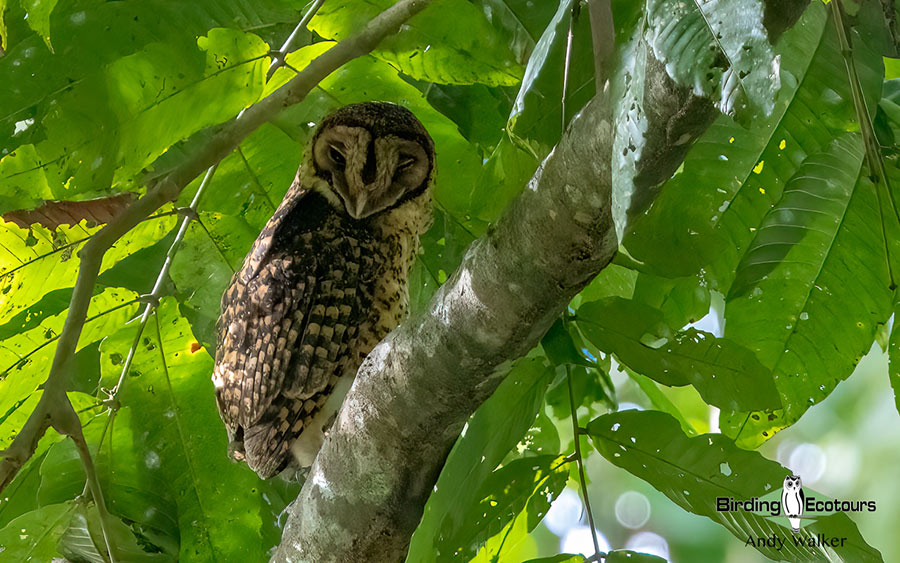
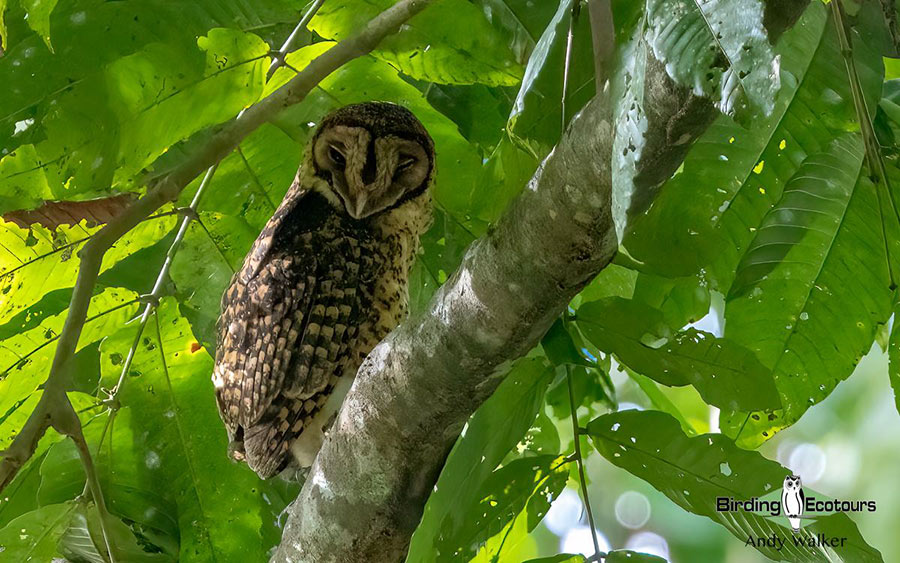 Golden Masked Owl is a top endemic target bird in New Britain.
We stay in a luxurious dive resort with excellent facilities making for a fantastic and relaxing bird-filled experience (and some amazing snorkeling at a wonderful reef too). This tour is an ideal add-on to our Papua New Guinea: Birding Attenborough’s Paradise, where we look for Blue Bird-of-paradise and a multitude of other jaw-dropping species.
On this short New Britain bird tour, we will find numerous New Britain endemics, along with plenty of Bismarck Archipelago endemics, and some Solomon Islands endemics too. Some of the many possible highlights include Melanesian Megapode, Golden Masked Owl, Blue-eyed Cockatoo, Black-capped Paradise Kingfisher, and Bismarck (New Britain) Pitta. We will also enjoy sightings of numerous parrots, pigeons, kingfishers, and exciting passerines that will provide an incredible splash of color.
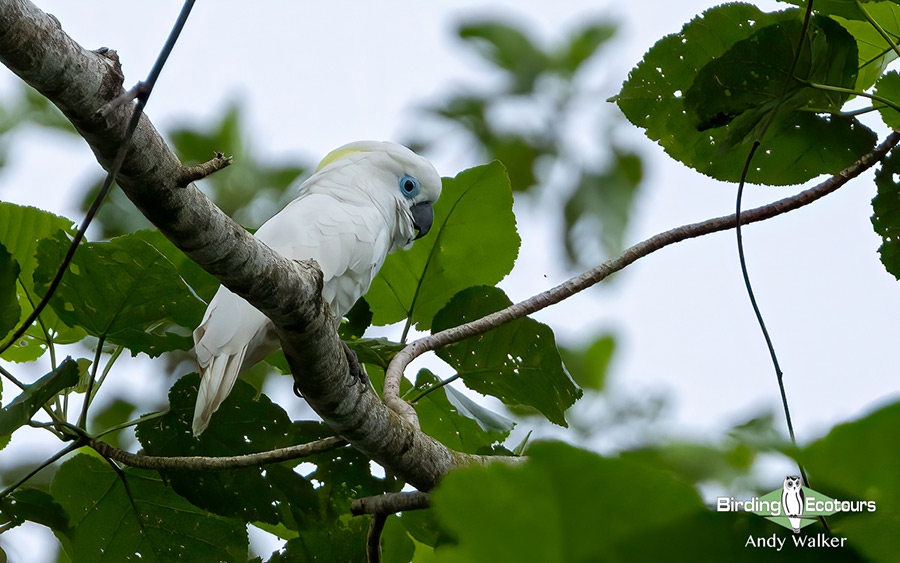
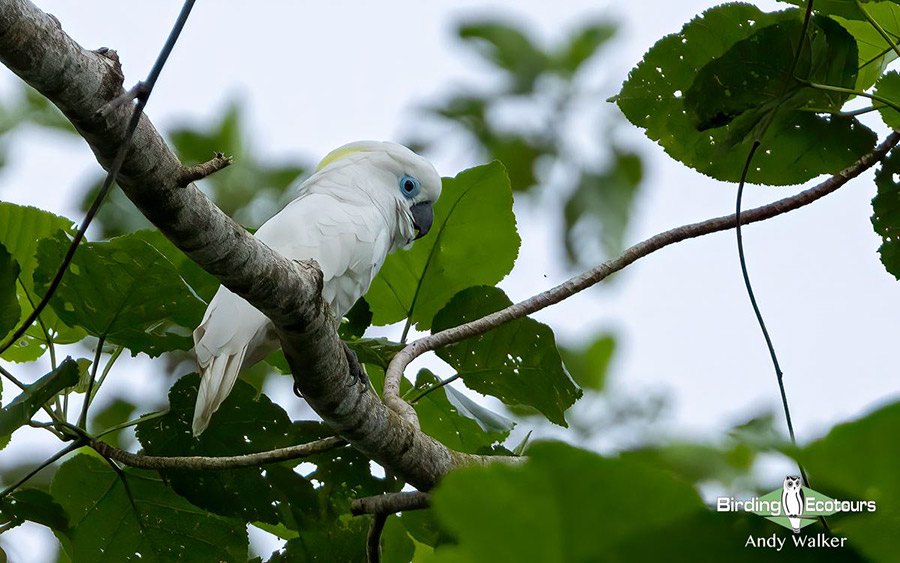 Blue-eyed Cockatoo is an attractive New Britain endemic.
Detailed Itinerary (6 days/5 nights)
Day 1. Arrival in Port Moresby
After your arrival at Jacksons International Airport in Port Moresby, Papua New Guinea (PNG), you will transfer to our comfortable hotel for the night. Time after arrival is at your own leisure. We will meet for a group welcome dinner in the evening.
Overnight: Port Moresby
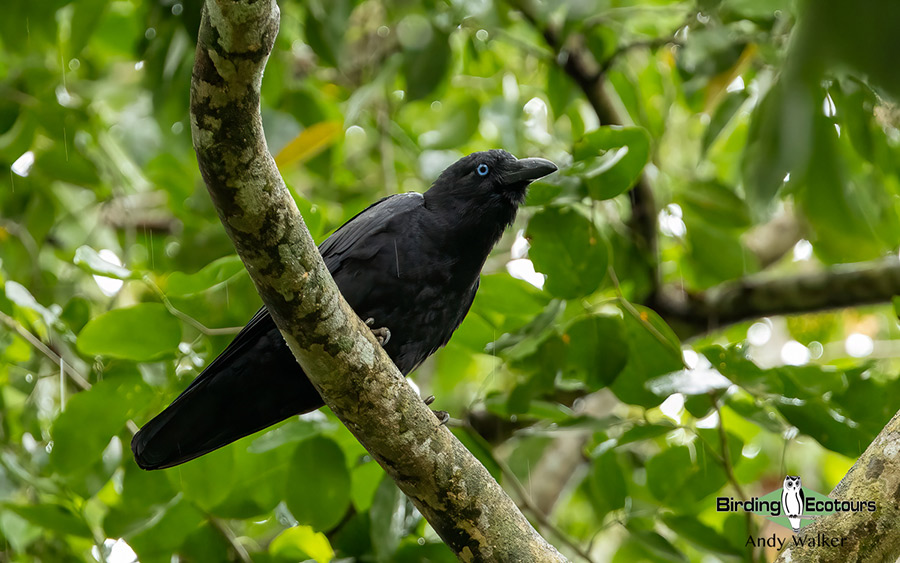
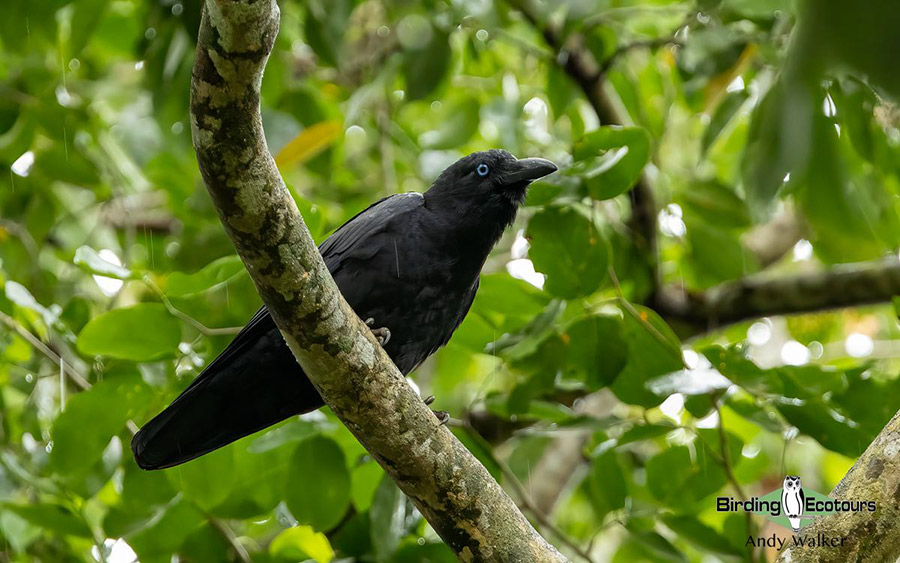 Bismark Crow can be found around our accommodation.
Day 2. Fly from Port Moresby to Hoskins, New Britain, transfer to, and birding at Walindi
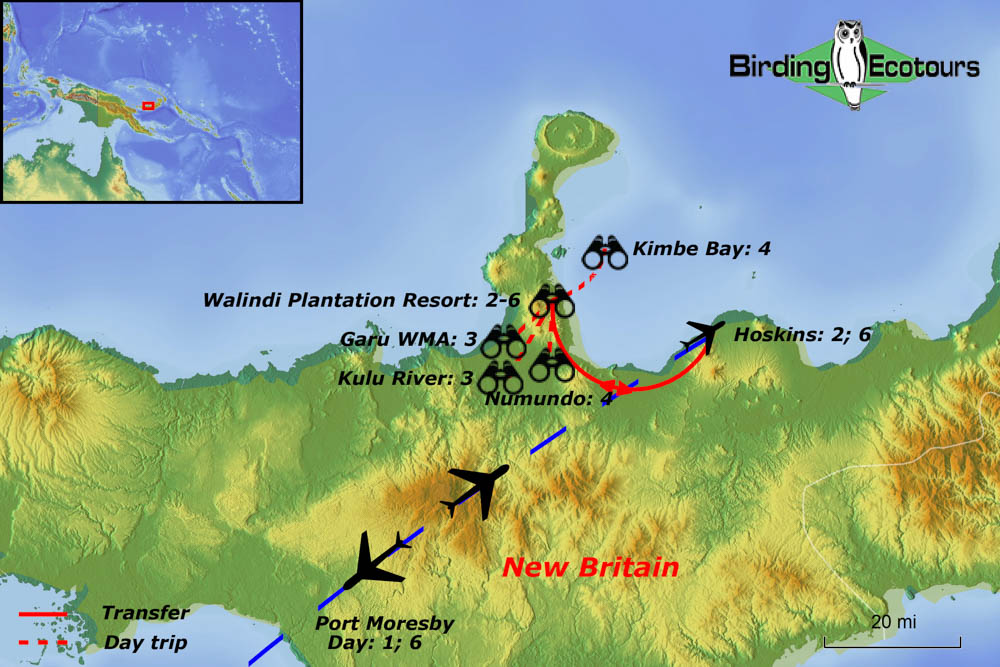
We will depart from Jacksons International Airport, Port Moresby in the morning for Hoskins Airport in New Britain. On arrival, we will transfer to our extremely comfortable base at Walindi Plantation Resort (Walindi Dive Resort) for the four nights of our stay on the island.
Not only is Walindi Plantation Resort a great and luxurious place to stay in terms of accommodation, meals, and diving, it also offers excellent on-site birding and access to numerous nearby areas that are perfect for finding a range of New Britain endemic birds and wider Bismarck Archipelago and Solomon Islands endemic birds.
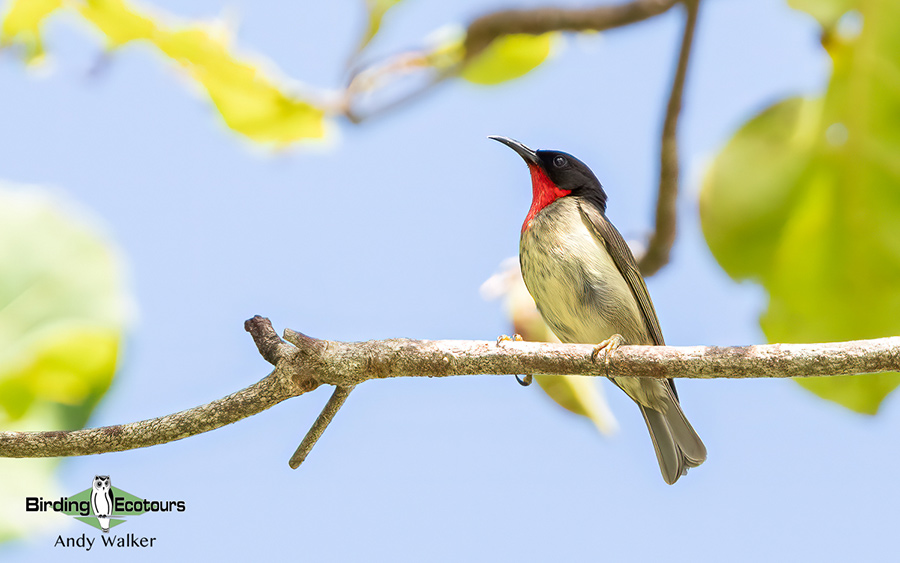
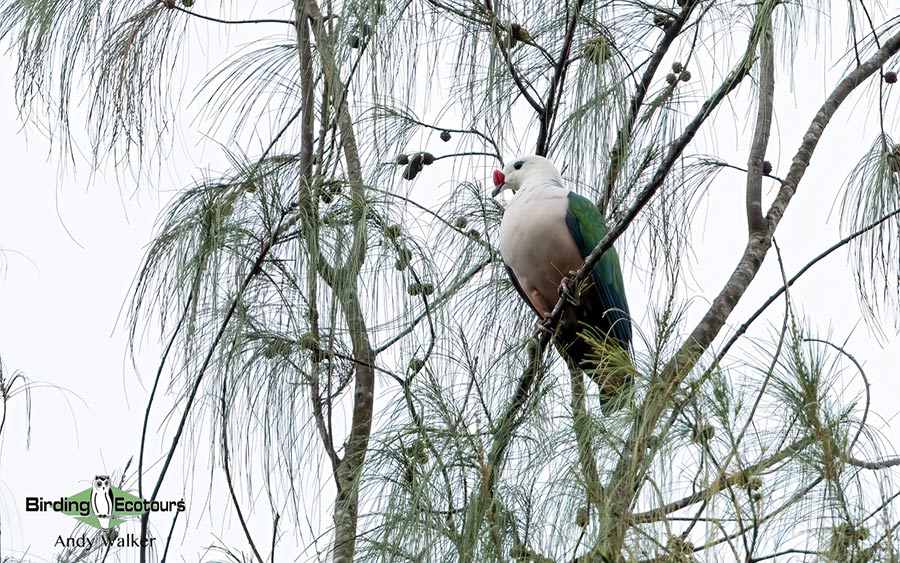
After checking in to the resort we will get on with some birding around the grounds. The resort includes a mosaic of habitats, with lowland rainforest, open landscaped gardens, and beachfront, all resulting in some great birds, and here we might find Red-knobbed Imperial Pigeon, Blue-eyed Cockatoo, White-necked (Pied) Coucal, New Britain Boobook, New Britain Friarbird, Ashy Myzomela, Bismarck Crow, Long-tailed Myna, Red-banded Flowerpecker, Red-flanked Lorikeet, Purple-bellied Lory, Buff-faced Pygmy Parrot, and Moustached Treeswift.
Overnight: Walindi Plantation Resort
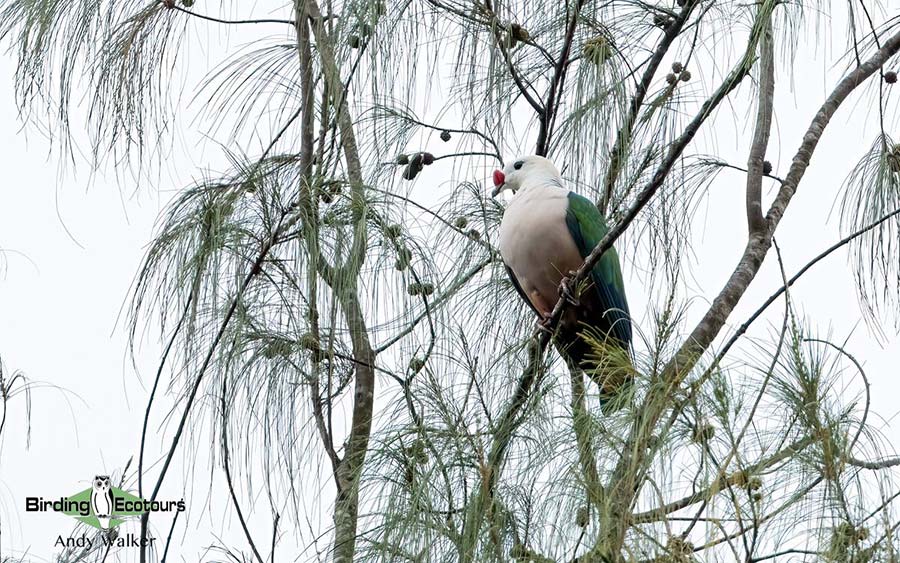 Red-knobbed Imperial Pigeon is a large and interesting looking bird.
Day 3. Birding New Britain (Birding Garu Wildlife Management/Conservation Area and Kulu River)
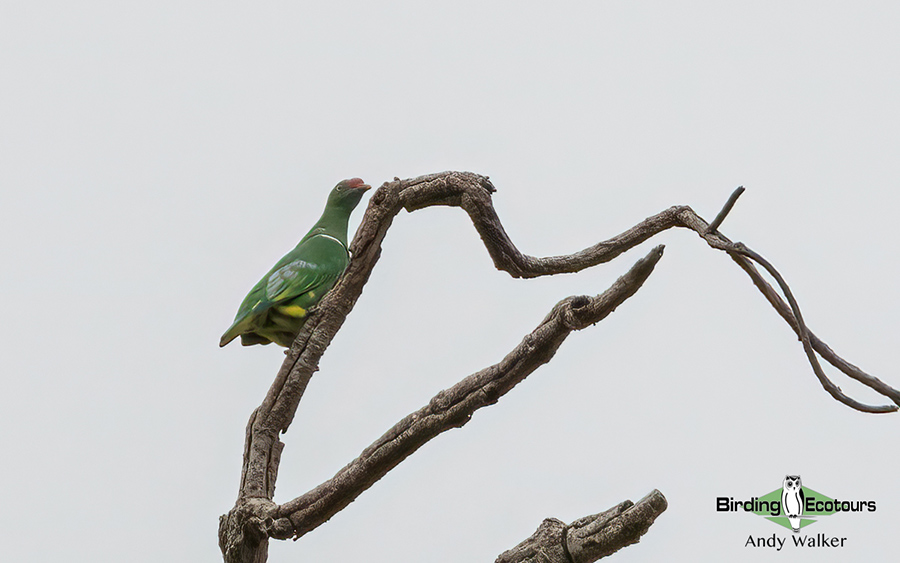
We will spend our morning birding at Garu Wildlife Management/Conservation Area. This is a large reserve incorporating a range of habitats, including some excellent lowland rainforest and geothermally heated hot rivers! This site is of huge importance for breeding Melanesian Megapode, one of our main targets here. This area is also excellent for the endemic Black-capped Paradise Kingfisher along with other endemics like Pink-legged Rail, Black Honey Buzzard, Finsch’s Imperial Pigeon, Knob-billed Fruit Dove, Blue-eyed Cockatoo, Purple-bellied Lory, Violaceous Coucal, White-necked (Pied) Coucal, White-mantled Kingfisher, Ashy Myzomela, Bismarck Whistler, Black-tailed Monarch, Velvet Flycatcher, and Red-banded Flowerpecker. Plenty of other species can be found too, such as Papuan Eclectus, Red-flanked Lorikeet, Coconut Lorikeet, and Buff-faced Pygmy Parrot.
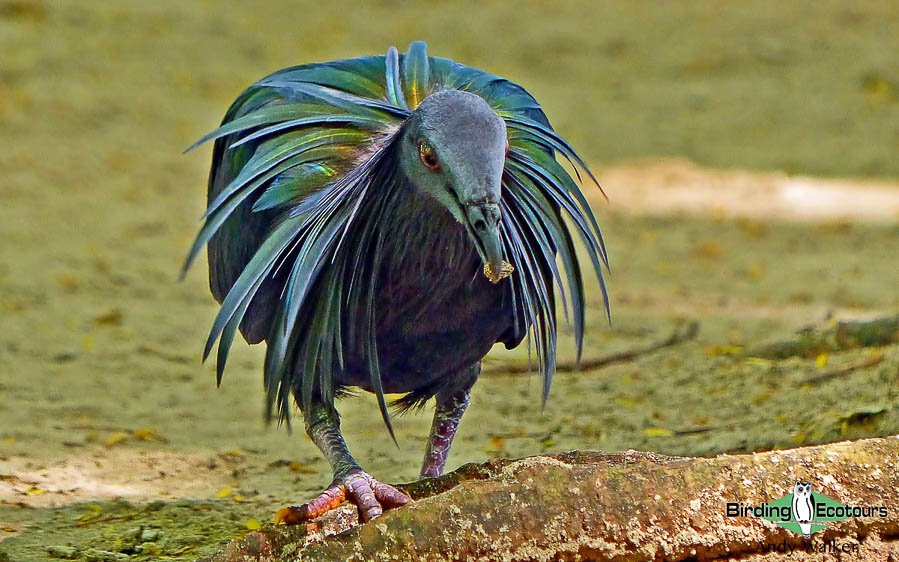
We will spend the afternoon birding at Kulu River. We will cover grassland habitats along with river flats and oil palm plantations. A wide range of species are possible and likely to include crakes, bitterns, shorebirds, and waterfowl. Some of the more notable species here include Pied Cuckoo-Dove, White-bibbed Fruit Dove, Knob-billed Fruit Dove, Red-knobbed Imperial Pigeon, Nicobar Pigeon, Pink-legged Rail, Blue-eyed Cockatoo, New Britain Boobook, Bismarck Kingfisher, Bismarck (New Britain) Pitta, Black-tailed Monarch, White-backed Woodswallow, and Red-banded Flowerpecker, along with Spotted Whistling Duck, King Quail, and Black Bittern.
Overnight: Walindi Plantation Resort
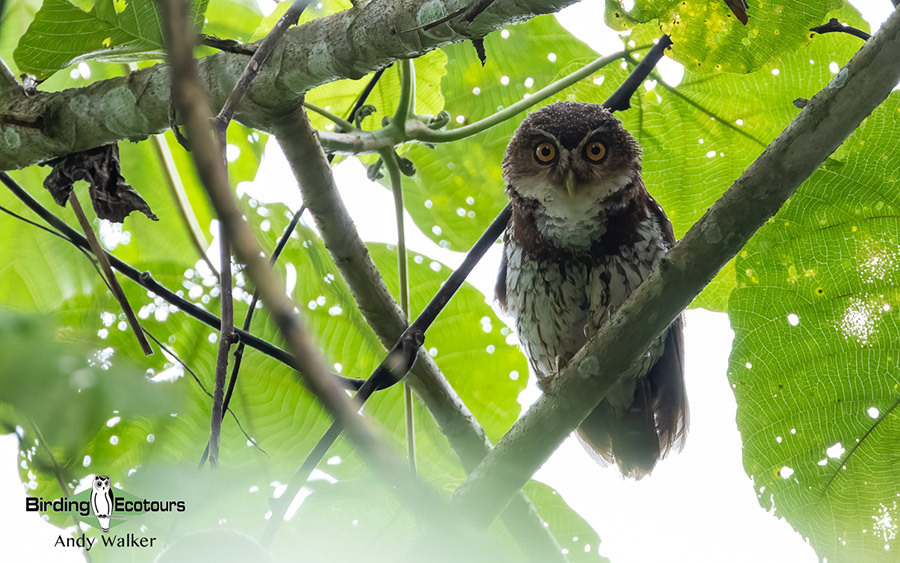
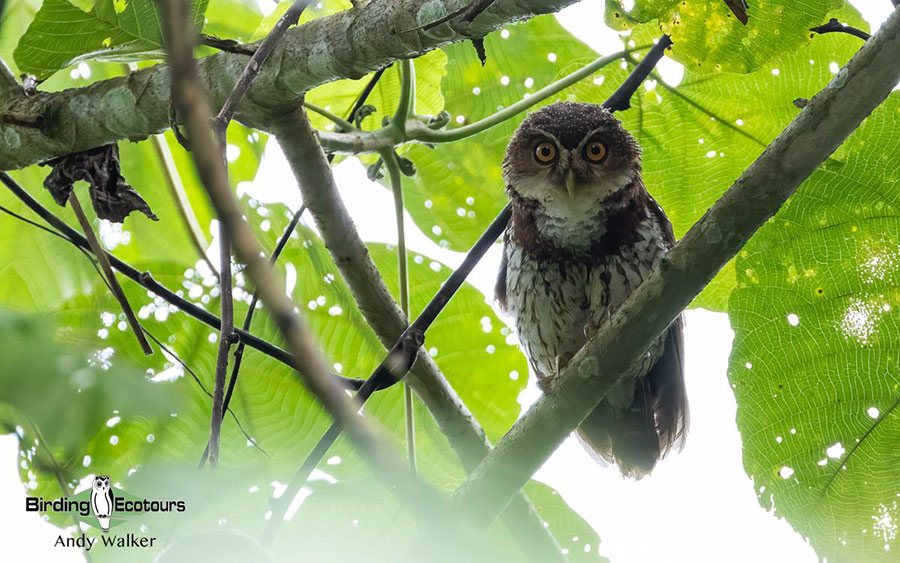 We will look for New Britain Boobook while birding in forest near our accommodation.
Day 4. Birding Kimbe Bay by boat, including Restorf, Malumalu, and Schaumann Islands, with afternoon birding at Numundo
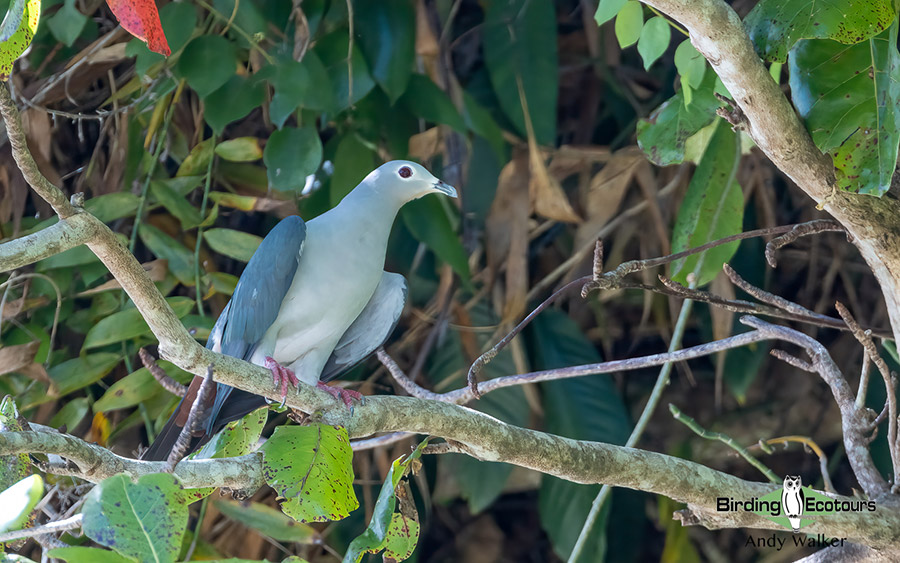
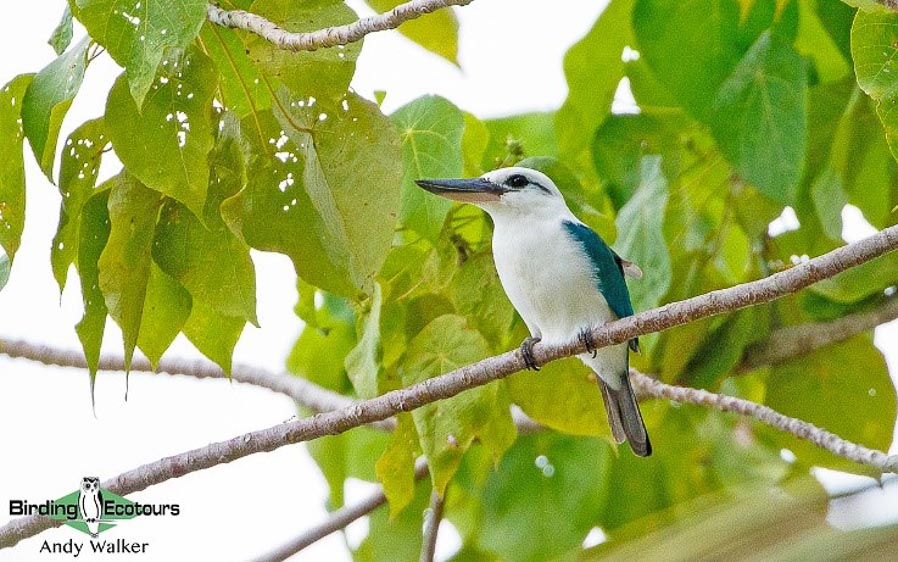
During the morning we will take a boat into Kimbe Bay where we will visit the rainforest-clad Restorf, Malumalu, and Schaumann Islands. We will hope to find fruiting trees which could be busy with pigeons and parrots, and we can also find exciting endemic passerines here. Some of the targets will include Melanesian Megapode, Nicobar Pigeon, Island Imperial Pigeon, Yellowish Imperial Pigeon, Yellow-bibbed Fruit Dove, Mackinlay’s Cuckoo-Dove, White-bellied Sea Eagle, Lesser Frigatebird, Great Frigatebird, Beach Kingfisher, Sclater’s Myzomela, Mangrove Golden Whistler, Island Monarch, Velvet Flycatcher, and Red-banded Flowerpecker. We will also keep our eyes peeled for Heinroth’s Shearwater and Beck’s Petrel while on our boat trip.
Our afternoon birding will take us to Numundo, where we will look for birds found in disturbed habitats such as oil palm plantations and grasslands. We will check this area out for Buff-bellied Mannikin, Papuan Grassbird, Australian Reed Warbler, Golden-headed Cisticola, Black Bittern, Spotted Whistling Duck, King Quail, White-browed Crake, and Pale-vented Bush-hen. We will also look out for other wildfowl and shorebirds.
Overnight: Walindi Plantation Resort
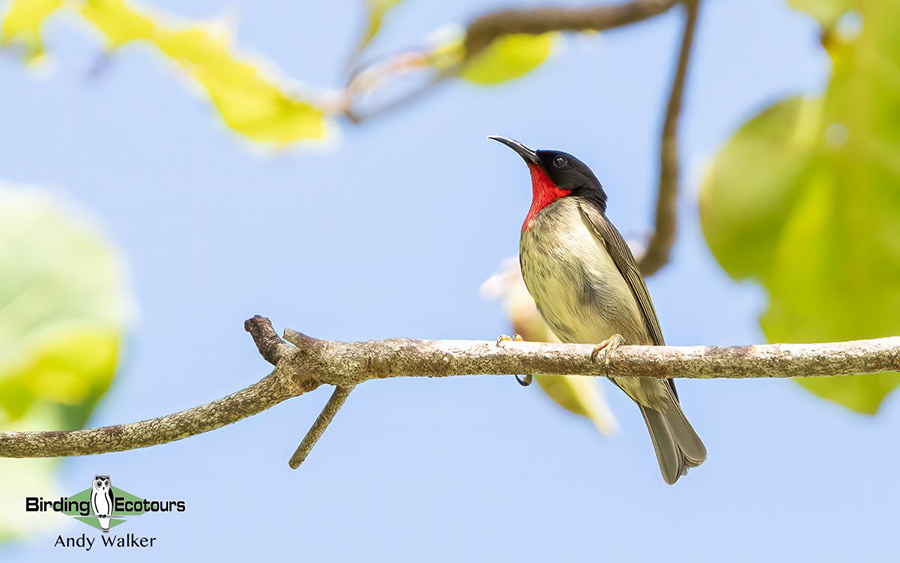 We will keep our eyes peeled for Sclater’s Myzomela while visiting the small offshore islets.
Day 5. More New Britain Birding!
We will spend more time birding Kulu River, where we will look for those birds mentioned in Day 3, as well as any others we can find. We will also visit the lowland forest at Hela where we can walk through the forest looking for mixed feeding flocks and look for birds such as Melanesian Megapode, Black Honey Buzzard, Knob-billed Fruit Dove, Finsch’s Imperial Pigeon, Black Imperial Pigeon, Blue-eyed Cockatoo, Bismarck Hanging Parrot, Black-capped Paradise Kingfisher, Bismarck Kingfisher, New Britain Dwarf Kingfisher, Black-tailed Monarch, and Red-banded Flowerpecker. We will look for Golden Masked Owl in the evening if we’ve not seen it before now.
Overnight: Walindi Plantation Resort
Day 6. Walindi to Port Moresby and departure from Papua New Guinea
We will transfer from Walindi to Hoskins Airport before flying on to Jacksons International Airport, Port Moresby.
Overnight: Not included
Please note that the itinerary cannot be guaranteed as it is only a rough guide and can be changed (usually slightly) due to factors such as availability of accommodation, updated information on the state of accommodation, roads, or birding sites, the discretion of the guides and other factors. In addition, we sometimes have to use a different international guide from the one advertised due to tour scheduling.
Map
Testimonials
Gallery
General Information
Papua New Guinea: New Britain Premium Extension – Bismarck Archipelago Birding
Tour-specific Information
GENERAL INFORMATION ABOUT PAPUA NEW GUINEA CAN BE READ HERE
TOUR OUTLINE
This extension to our main Papua New Guinea birding tour, visits the West New Britain province of the country. We will search for New Britain, Bismarck Archipelago, and Solomon Islands endemics such as Blue-eyed Cockatoo, Black-capped Paradise Kingfisher, and Golden Masked Owl. This short New Britain birding tour starts and ends in Port Moresby where we stay at the wonderful Airways Hotel, and when we reach New Britain, we will base ourselves at the luxurious Walindi Plantation Resort.
DAILY ACTIVITIES, PHYSICAL REQUIREMENTS, AND TOUR PACE
During our New Britain birding tour, we will be based at one lodge for the duration of our stay on the island and we will make morning and afternoon (and evening) birding trips out from our base. All of these birding trips are optional. The resort is located about one hour’s drive from Hoskins Airport, our arrival point on the island. Most of our birding will be land-based, though we will take a boat out into Kimbe Bay to visit a few small islands. Our tour leader will have a telescope, though we don’t anticipate using it too much, and we do not recommend you bring your own scope on this trip (but do note the information on scopes in the “What to Bring: Other Items” section of the general information document).
The birding on this tour is considered easy to moderate, with nothing too steep and with ample time relaxing at our comfortable resort between birding sessions. Trails may be slippery if wet, but that is considered unlikely during the time of our visit.
TRANSPORTATION
We will use a range of modified land-based vehicles to get us around New Britain and to the various birding sites we will visit, these may include Toyota Hilux 4×4 type vehicles and minibuses/vans, depending on final group size.
During our stay at Walindi Plantation Resort, we will take a boat trip out into Kimbe Bay where we will visit the rainforest-clad Restorf, Malumalu, and Schaumann Islands for birding. Some birding will be boat-based, but we will also make a wet-landing on a beach to explore (weather and tide conditions allowing). We will position the boat in some shallow water and put a ladder down to help us get from the boat into the water and then ashore. There is a pier at the Walindi Plantation Resort for getting into and out of the boat here. There will also be an opportunity for snorkeling on the trip to the islands.
DOMESTIC FLIGHTS
We will take scheduled flights between Port Moresby and Hoskins Airport in New Britain. On these flights the hold baggage allowance is usually 35 pounds (lbs) / 16 kilograms (kgs), and the hand luggage allowance is 15 lbs (7kgs).
Please note that excess baggage (which you may have if taking part in our longer PNG birding tour) can be stored by our local team in a secure place in Port Moresby. If your bags are too heavy, they may be refused by the airline.
SAFETY AND SECURITY
Your safety and your security is our paramount concern on this New Britain birding tour, as it is on all of our birdwatching tours around the world. We have provided as much information within this tour-specific information and the Papua New Guinea general information, linked at the top of this document, as we can. It is essential you have read these documents (and the equally important documents linked from that document) ahead of the tour to be fully up to date on the latest safety and security situation in Papua New Guinea.
Care should be taken when swimming and snorkeling. The reef life is spectacular and some of the best diving/snorkeling in the world. However, with this comes danger in the form of creatures such as Red Lionfish, Australian Box Jellyfish (Sea Wasp), and “Blue-ringed Octopus”. Please consult with the resort experts prior to taking a swim and follow any health and safety advice they provide.
ACCOMMODATION
The first night of this tour is in Port Moresby, to ensure everyone arrives at the starting point. Here we will stay at the luxurious Airways Hotel (Bacchus Wing), which is located just a five-minute drive from the international airport. Airways Hotel offers world-class accommodation in one of the Pacific’s most striking settings. The hotel offers a range of sophisticated and elegant rooms to ensure a luxurious stay, as well as a range of experiences to help you relax and wind down after your international flight. The hotel has a swimming pool, spa facilities, and restaurants/bars.
While in New Britain, we will stay at Walindi Plantation Resort, here we will be in premium free-standing ‘bure’ style bungalows. Each bungalow is built of local timbers and other naturally occurring materials. Each bungalow has an ensuite bathroom, a ceiling fan (there is no air-conditioning here), tea- and coffee-making facilities, a small fridge, a closet, a work desk, and a private verandah. The bungalows are situated in the beautiful rainforest gardens along the beachfront, with sea views. All meals, daily laundry service, and Wi-Fi (in the main resort building) are included in our stay. Fresh towels, soap etc. are provided daily.
The central area of the resort contains the reception, restaurant, lounge and bar, swimming pool, sundeck, shop, and a reference library with TV. Complementary Wi-Fi is available in this area of the resort.
MEALS
The restaurant at Walindi Plantation Resort provides three meals a day. Meals are of Western and Asian style and feature local seafoods, fruits, and vegetables. Beef served is from the neighboring plantation. Special dietary requests can be accommodated but please give us your requirements when you complete the tour booking form so we can pass these on to the relevant people at the resort. The bar is well stocked with a mixture of beers, wines, and soft drinks.
DIVING AND SNORKELING
If you are planning on doing any diving during our downtime from birding, please remember to bring your certification card, insurance details, and logbook if you have one. Please liaise directly with the resort staff on check-in to arrange any diving as it will be best to give them as much notice as possible.
Kimbe Bay (where Walindi Plantation Resort is located) is an ideal place for snorkeling. Snorkeling is also possible right off the resort. The pristine and colorful coral reefs are home to a great array of fish, crustaceans, and invertebrates. We really recommend spending some time looking at the other-worldly underwater life. There will be opportunities for snorkeling when we take a birding boat trip into Kimbe Bay.
Snorkel and dive equipment is available to hire from the resort.
ELECTRICITY
See the “Electricity” section in the general information for an overview of the situation in Papua New Guinea. At Walindi Plantation Resort, 240V electricity is supplied by a generator between the hours of 6am and 11pm (the power will come on earlier if you have an early departure). Rooms are fitted with a 24-hour, 12V system which will run the ceiling fan, lights, and a charging socket overnight.
COMMUNICATIONS
Complementary Wi-Fi is available while we are in the common areas of Walindi Plantation Resort. Phone signal and Wi-Fi are available in Port Moresby before and after our time in New Britain too.
WHAT TO BRING: CLOTHING AND OTHER ITEMS
The following is a list of useful items to bring on this New Britain birding tour and should be read in conjunction with the Papua New Guinea general information linked at the top of this document.
- A field guide to the region. Either of the following books are suitable.
- Birds of New Guinea: Including Bismarck Archipelago and Bougainville – Phil Gregory (2017), Lynx Edicions. This field guide has a clear and modern layout and current take on New Guinea but is only available as a hardback and is expensive (and might currently be out of print).
- Birds of New Guinea – Thane K Pratt and Bruce M Beehler (2014), Princeton University Press, 2nd Edition. This field guide is older (so taxonomically a bit out of date now) and ‘artier’ than the above guide with some plates tough to follow, but it is a softback book, more affordable, and still seems to be in print.
- Hiking pole or walking stick to help on the tracks and trails. A walking stick is compulsory for anyone who is unsteady walking, as we feel this is a safety issue; we don’t want anyone slipping on the trails or anywhere else. Please discuss with us if you are unsure whether you will need one or not.
- Torch (flashlight) and/or headlamp (headtorch), and spare batteries – useful if walking about in the dark when a headlamp is probably best for keeping your hands free.
- High concentration DEET insect repellant, or similar.
- Anti-malarial tablets (see details in “Health and Pests” in the general information document).
- Leech socks – useful, particularly if it is wet.
- A small personal first aid kit. See the suggested items from the Centers for Disease Control and Prevention (CDC), here.
- Footwear is a matter of personal preference. Walking/hiking boots give good ankle support and can help if trails are muddy or slippery as well as giving some protection against snake bites. A set of sandals/flip-flops/trainers would be useful for walking around the resort area.
- Quick-drying birding clothes (in suitable forest colors) are the best for this tour. See the “Weather/Climate” section in the general information document for further information on likely temperatures during the tour.
- Lightweight comfortable sportswear and bathing suits are needed if you plan on spending time in the water. A light sweater/jumper or throwover is ideal for the evenings when the temperatures could drop. The dress code at Walindi is casual, though local customs should be respected (e.g., no uncovered thighs for ladies).
- Rain jacket and a small umbrella, as rain could fall at any time, even though we are visiting in what is considered the dry season.
- Swimwear, mask, and snorkel for optional swimming/snorkeling during free time. Equipment hire is available from the resort.
- A dry bag to keep valuable documents in such as passports, cell phones, wallets etc., as well as cameras if it rains.