- Duration:
- 10 days
- Group Size:
- 5 – 8
- Tour Start:
- Moroni, Grand Comoro
- Tour End:
- Dzaoudzi, Mayotte
Comoros and Mayotte Birding Tour Birding Tour
Details
2027
20–29 September
Per person sharing
€4,200 EUR
$4,940 USD / £3,731 GBP
Single supplement
€540 EUR
$635 USD / £480 GBP
2028
20–29 September
Per person sharing
€4,540 EUR
$5,340 USD / £4,033 GBP
Single supplement
€590 EUR
$694 USD / £524 GBP
2029
20–29 September
Per person sharing
€4,950 EUR
$5,822 USD / £4,397 GBP
Single supplement
€640 EUR
$753 USD / £568 GBP
Itinerary
Download ItineraryComoros and Mayotte Birding Tour
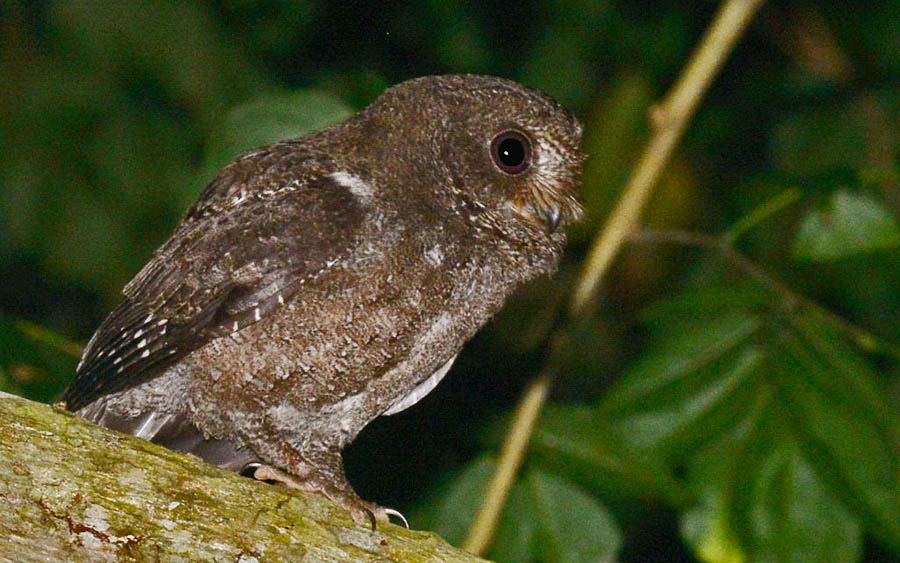
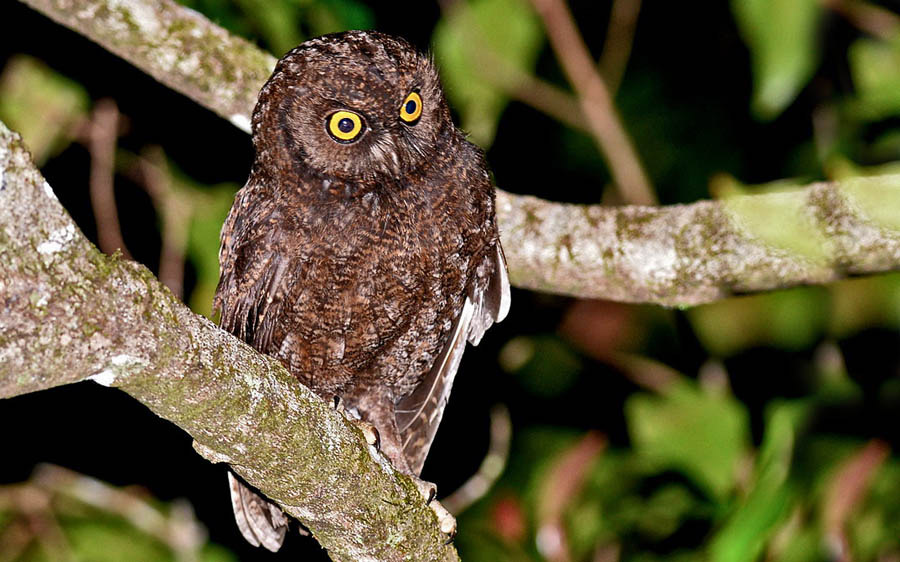 Anjouan Scops Owl is one of our four owl targets on this tour (photo Alan van Norman).
Overview
During our Comoros and Mayotte birding adventure, we’ll explore all four principal islands of the Comoros archipelago, targeting an exceptional number of endemic and highly range-restricted birds, with more than 20 endemic species recognized across the archipelago under current taxonomic treatments. The tour offers the chance to see all four endemic scops owls—Karthala, Moheli, Anjouan, and Mayotte Scops Owls—with the first three listed as Endangered by the IUCN, along with a remarkable selection of other island endemics and near-endemics.
Other key targets include Comoro Green Pigeon, Comoro Blue Pigeon, Karthala White-eye, Humblot’s Flycatcher, Humblot’s Sunbird, Comoro Blue Vanga, Comoro Thrush, and several localized white-eyes, brush-warblers, and drongos. We’ll also encounter a range of more widespread Indian Ocean island species, many represented by distinctive island races, including Frances’s Sparrowhawk, Cuckoo-roller, Comoro Fody, Red Fody, Malagasy Paradise Flycatcher and Malagasy Green Sunbird. Some of these species are also found on nearby Madagascar or the Seychelles, but their island-specific forms add considerably to the tour’s appeal. Indeed, the many endemic subspecies, several restricted to individual islands, make the overall number of endemic taxa considerably higher than the number of endemic species alone suggests. Crab-plover is another charismatic target, providing a spectacular tropical shorebird to round out the birding.
With its combination of rare endemic birds, island-restricted subspecies, spectacular scenery, and unique flora and fauna, this is a particularly exciting adventure for world birders.
This birding tour can easily be combined with our Indian Ocean Islands Tour, which takes in the endemic-rich islands of Seychelles, Mauritius, Réunion and Rodrigues. Additionally, the tour can also be combined with some of our customizable Madagascar Birding Tours, such as The Remote North.
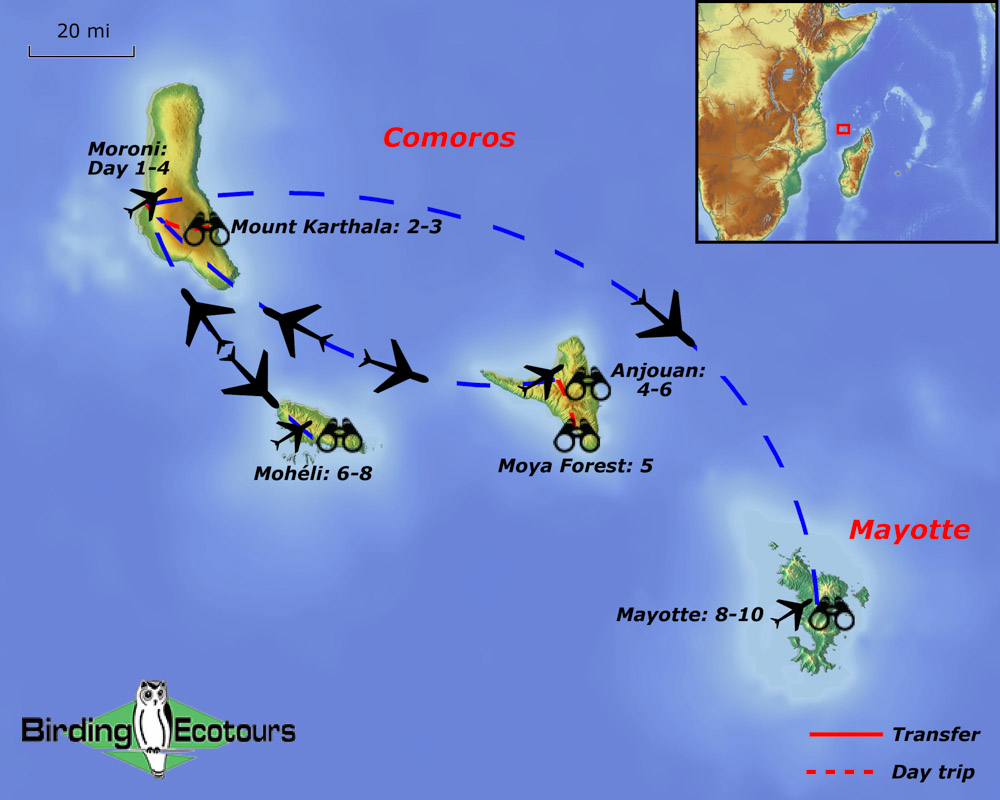
Detailed Itinerary (10 days/9 nights)
* Please note that the domestic flight schedules connecting the islands on this tour are subject to change and cannot be reliably known or confirmed far in advance. Furthermore, because there are limited flights between the various islands, not all of which operate daily, the overall tour dates may shift slightly, by one to three days, to allow the tour to operate. We should be in a position to confirm the dates approximately six to eight months before the tour, once the airlines release their schedules.
Please check with us before booking your international flights.
Additionally, domestic flights can be unreliable and are prone to last-minute changes, which may affect the order in which we visit the islands and the amount of time we have on each island.
Day 1. Arrival in Moroni
After arriving at Prince Said Ibrahim International Airport, serving Moroni, the capital of Union of the Comoros, on the island of Grande Comore (local name Ngazidja), you will be transferred to your hotel. Depending on arrival time, we may have a bit of time to start getting acquainted with some of the more common birds.
Overnight: Moroni hotel
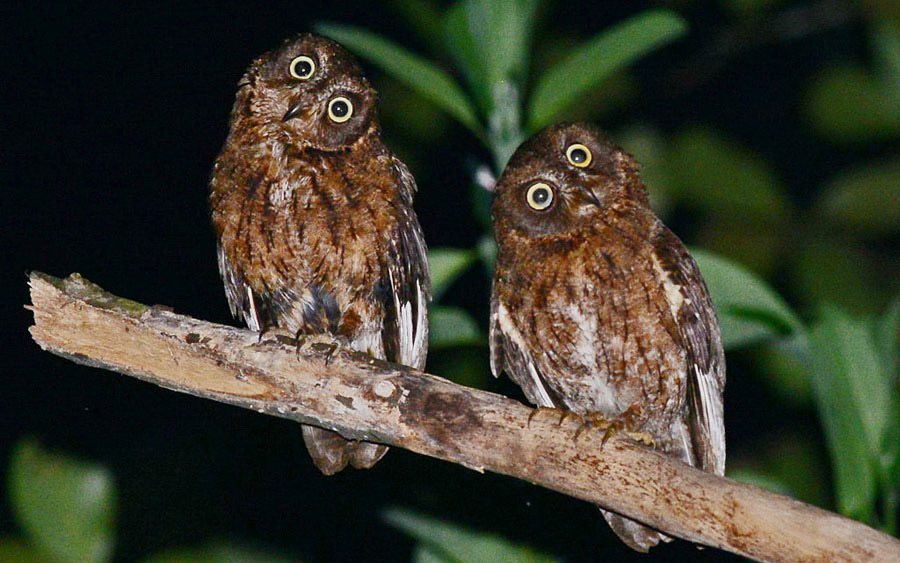
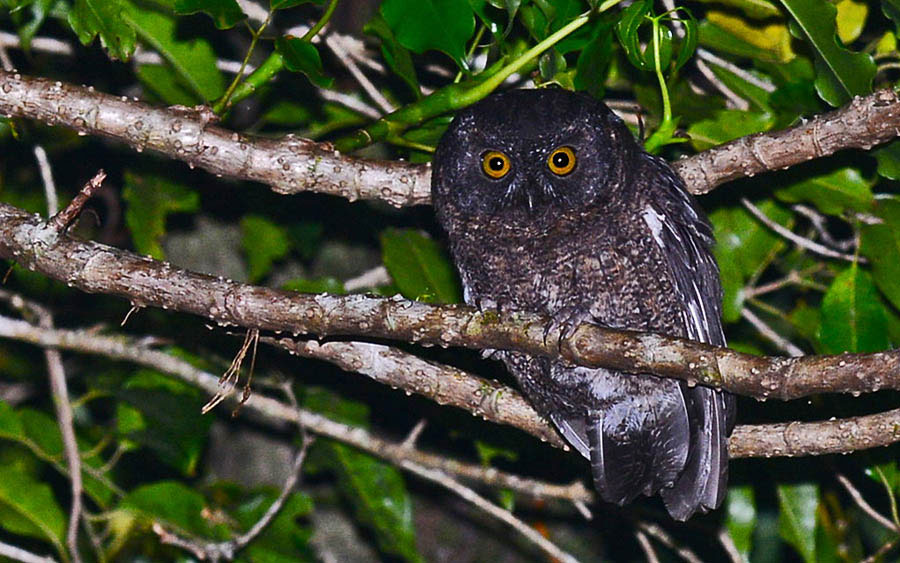 Karthala Scops Owl is the first owl target we’ll be seeking, as it only occurs on Grande Comore, where we start the tour (photo Alan van Norman).
Days 2–3. Birding Mount Karthala and surrounding areas
We will spend two full days hiking various slopes of Mount Karthala, an active volcano and the highest point of the Comoros. The mountain is covered by moist evergreen forest up to almost 6,000 feet (about 1,800 meters) above sea level; higher up the vegetation consists of stunted trees and heathland.
We are able to drive about two-thirds of the way up to the top of the volcano, then walk the rest of the way (usually one to twho hours depending on the group’s fitness and pace) to see the crater and to bird the heath forest. Karthala Scops Owl does require staying in the forest until after dark, then walking back to the 4×4.
Mount Karthala is an IBA (BirdLife International: Important Bird and Biodiversity Area), and its avian riches are truly exciting. Many of the species found on the mountain are endemic to the Comoros, and four bird species occur only on the slopes of Mount Karthala: Humblot’s Flycatcher, Karthala White-eye, Grand Comoro Drongo, and Karthala Scops Owl. In recent years, the tough Grand Comoro Drongo has proven reliable only at a secondary site, which we will of course include in our itinerary.
In addition to these very special targets, we hope to find and enjoy species such as Madagascan Spinetail, Malagasy Paradise Flycatcher, Malagasy White-eye, Malagasy Black Swift, Comoro Fody, Malagasy Green Sunbird, Greater and Lesser Vasa Parrots, Olive Bee-eater, Malagasy Bulbul, Malagasy Turtle Dove, and a number of endemics and near-endemics such as Kirk’s White-eye, Comoro Thrush, Comoro Cuckooshrike, Grand Comoro Bulbul, Comoro Blue Pigeon, Grand Comoro Brush Warbler, and Humblot’s Sunbird during these two bird-filled days.
Overnight: Moroni hotel
Day 4. Flight to Anjouan and first local birding
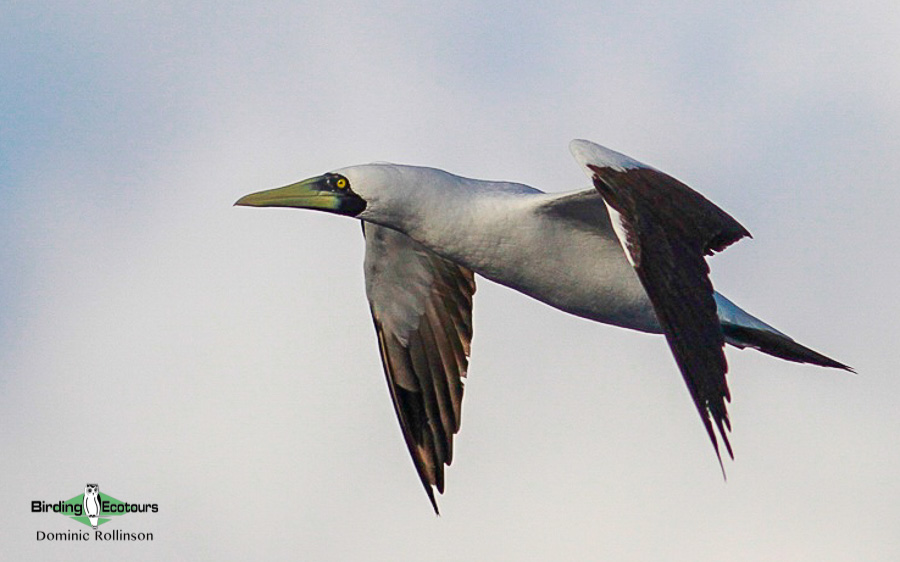
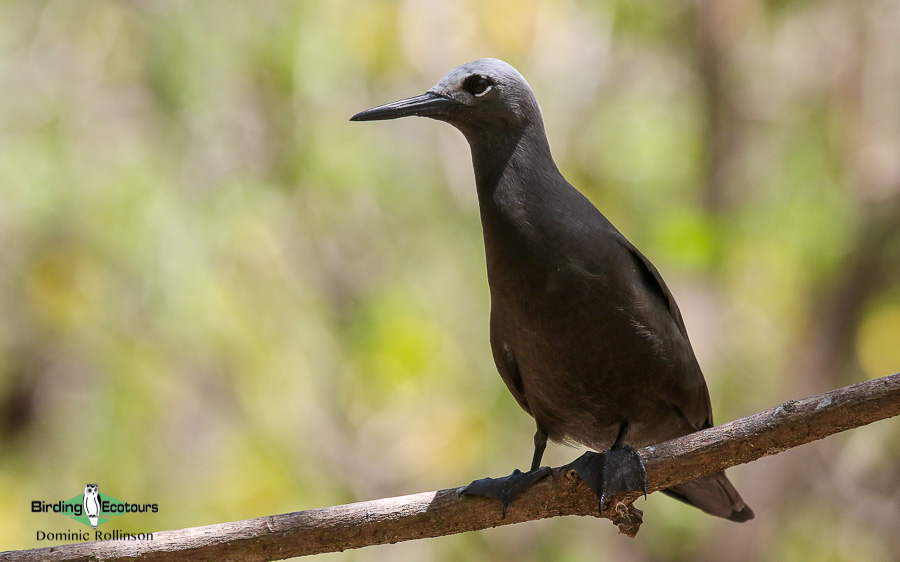
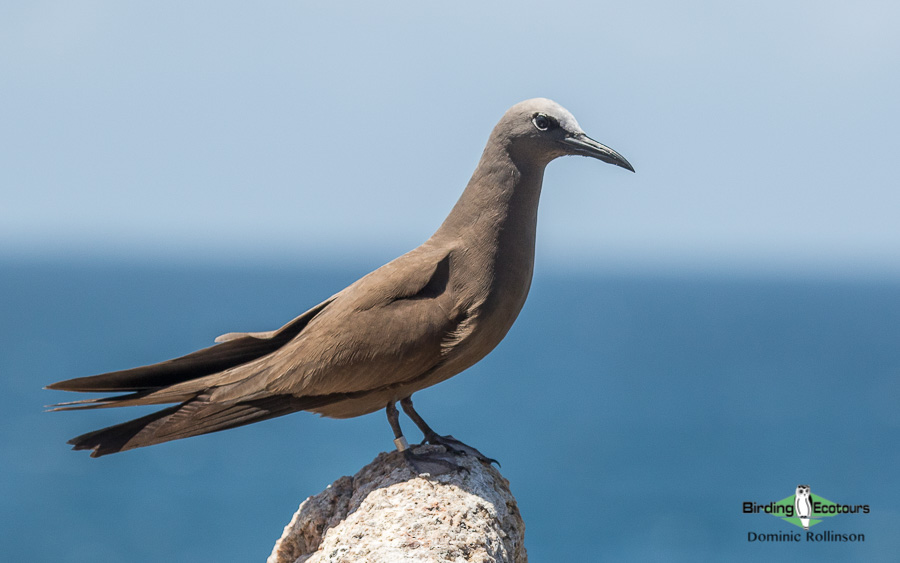
We’ll take a direct flight to Anjouan (native name Nzwani), which usually departs Moroni in the morning. Called the ‘pearl of the Comoros’ by its residents, Anjouan is one of the most scenic islands of the Comoros, and the coastal drive from the airport at Ouani, via Bimbini and its stunning beaches, to Moya is particularly attractive. On the way, we will look out for various seabirds like Sooty Tern, Masked Booby, Brown Noddy, and White-tailed Tropicbird.
Our main goal today will be to find the tricky Anjouan Scops Owl, which will require us to wait until the evening (tour cover image).
Overnight: Anjouan Hotel
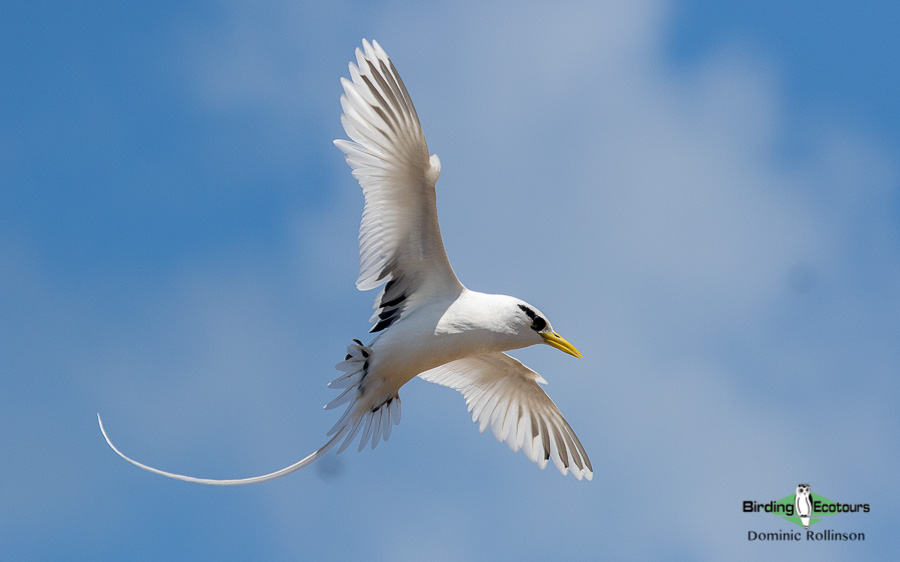 The impressive White-tailed Tropicbird should be seen on this Comoros tour.
Day 5. Birding Moya Forest on Anjouan
Today we’ll spend the bulk of the day birding in the Moya Forest (Forêt de Moya), another of the Comoros’ IBAs. Our main targets will be the endemic Anjouan Brush Warbler, Anjouan White-eye and Anjouan Sunbird. We’ll also keep an eye out for more widespread species and a selection of the islands’ distinctive subspecies, including Frances’s Sparrowhawk, the enigmatic Cuckoo-roller, Comoro Olive Pigeon, Comoro Blue Pigeon, Lesser Vasa Parrot, Olive Bee-eater, Crested Drongo, Malagasy Paradise Flycatcher, Malagasy White-eye, Comoro Thrush, Comoro Fody, and Malagasy Harrier, along with many other species. We also hope to visit a roost of the rare and endemic Livingstone’s Flying Fox, one of the world’s most threatened fruit bats, which feed on the agroforests scattered along the hillsides.
In the evening we’ll be able to try once more for Anjouan Scops Owl, should we need to, before heading back to our hotel.
Overnight: Anjouan Hotel
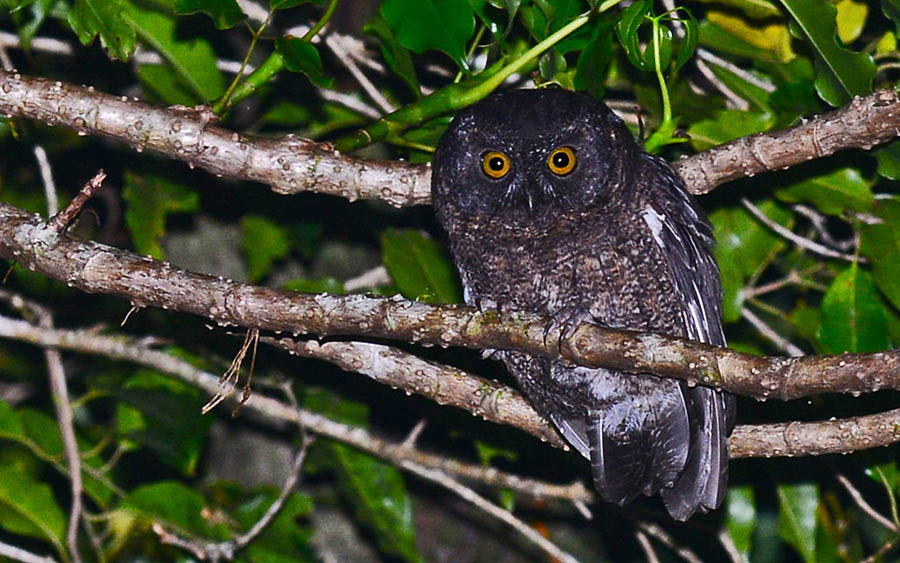
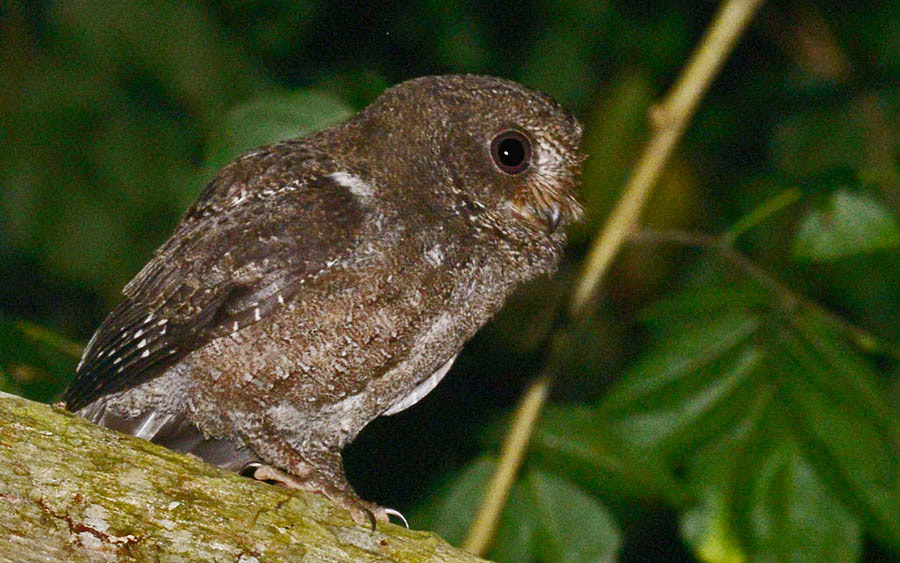 Moheli Scops Owl will be sought on its namesake island (photo Alan van Norman).
Day 6. Flight to and birding on Mohéli
We’ll spend much of the morning traveling, as the available flight schedules and routes will likely require us to fly back to Moroni before catching our onward flight to Mohéli. We’ll eventually land in Fomboni, the capital of Mohéli (native name Mwali), the smallest of the islands of the Comoros.
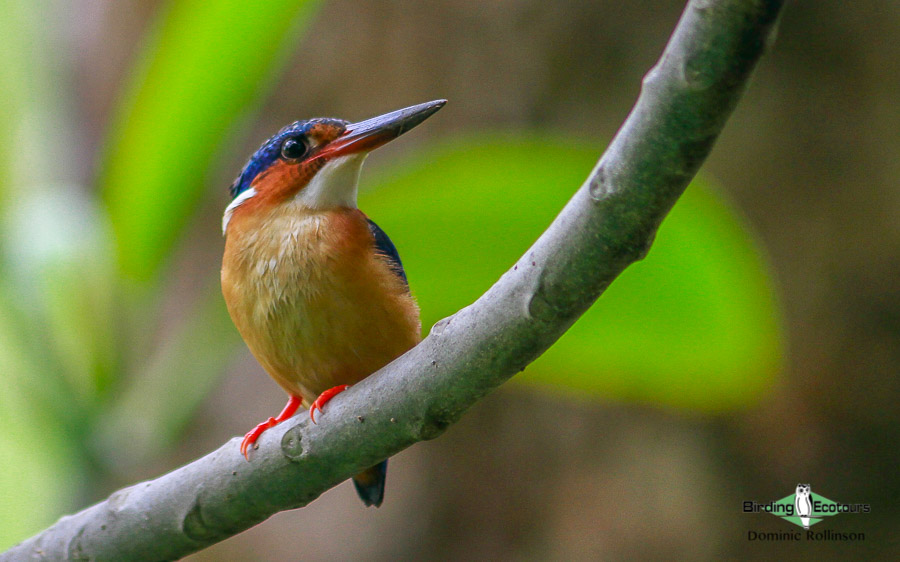
After landing, we’ll waste little time before heading for the forests of the Miringoni area. There are several bird species endemic to Mohéli, some of which were formerly more widespread that we will be looking for: Comoro Green Pigeon, Comoro Blue Vanga, Moheli Bulbul, Moheli Brush Warbler, Moheli White-eye and Moheli Scops Owl. Additional specials we may find are Comoro Thrush, Comoro Fody, Malagasy Turtle Dove, Greater Vasa Parrot, Malagasy White-eye, Malagasy Green Sunbird, and Malagasy Harrier. After dark, we’ll head out once more to try for another of the tour’s main targets, Moheli Scops Owl.
Overnight: Mohéli hotel
Day 7. Birding Mohéli
We will have another full day to search for the avian treasures that the island of Mohéli has to offer. Depending on our remaining targets, we may also visit Mohéli Marine Park, the Comoros’ first national park, but the exact program remains flexible. The islets of this park with their dry or non-existent vegetation are remarkable; their importance lies in their attraction for seabirds. In particular we will look for White-tailed Tropicbird as well as various other marine species. The part of the park extending onto the land is home to Comoro Thrush, Moheli Brush Warbler, and Comoro Blue Vanga, among many others, and offers us another chance of finding Moheli Scops Owl.
Overnight: Mohéli hotel
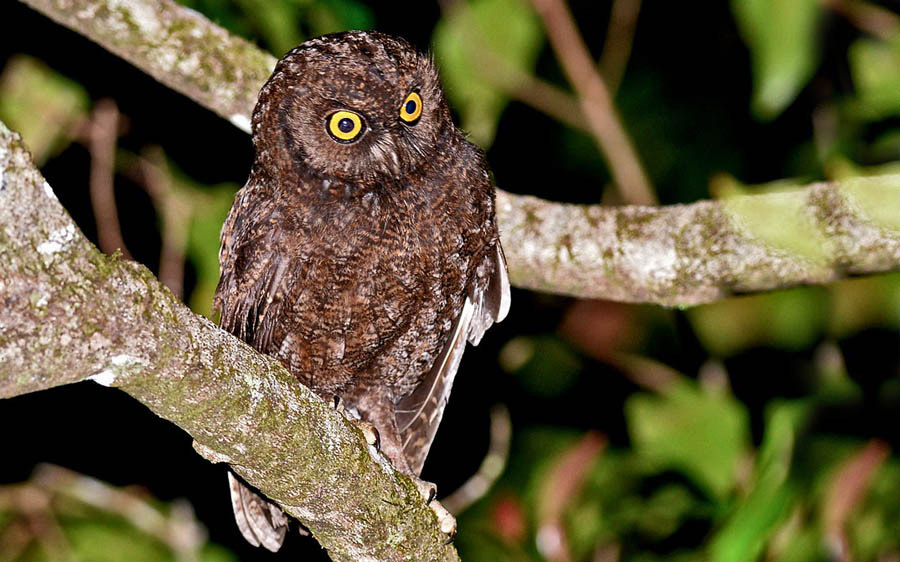
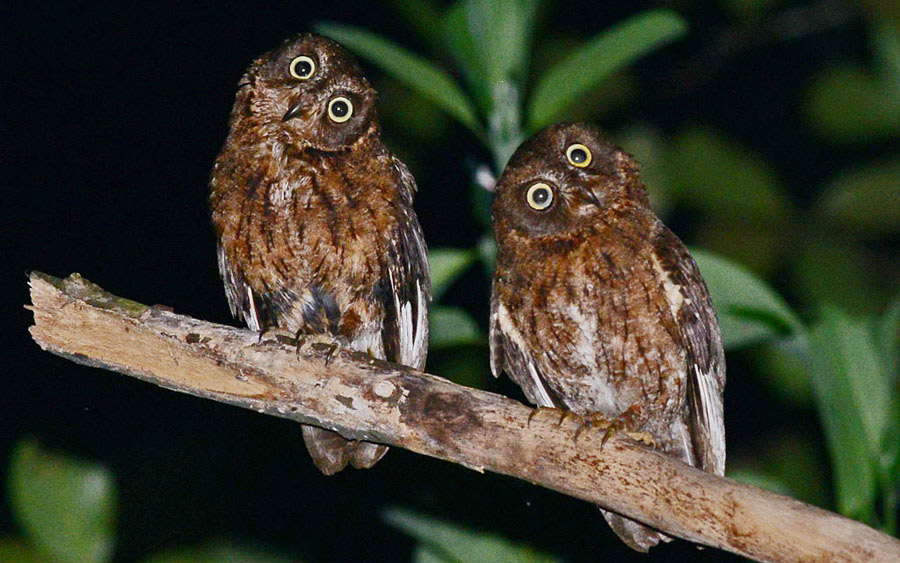 Mayotte Scops Owl, unlike most of the other endemic owls on these islands, is usually quite easy to find (photo Alan van Norman)
Day 8. Flight to Mayotte and local birding
We will have a final morning available for us to spend on Mohéli, as needed – and we can use it if we are still searching for the difficult Comoro Green Pigeon or Comoro Blue Vanga. We will then begin the transfer to Mayotte, which will again require us to fly to Moroni first, before continuing onward to Mayotte. *Note that Mayotte is geographically part of the Comoros archipelago but is an overseas department of France, rather than part of the Union of the Comoros.
After landing in Dzaoudzi, we’ll take the short ferry crossing to Grande-Terre and continue to our accommodation. There’ll likely be limited time for birding today, but we should be able to try for the endemic Mayotte Scops Owl this evening.
Overnight: Mayotte hotel
Day 9. Full day of Mayotte birding
We have a full day on Mayotte to look for the island’s endemics and endemic subspecies. The birding in the immediate vicinity of our usual accommodation can produce all the island’s true endemics – Mayotte Drongo, Mayotte White-eye and Mayotte Sunbird, along with the Mayotte Scops Owl, which we should have seen the previous evening and which is typically best seen after dark. As always, the endemics will be our main focus, but we should likely also be able to visit other sites around the island. As we bird along, we’ll keep an eye out for other species like Comoro Fody, Malagasy Turtle Dove, the gigantic Comoro Olive Pigeon, Comoro Blue Pigeon, Frances’s Sparrowhawk, Cuckoo-roller, Malagasy Black Swift, Malagasy Paradise Flycatcher, Malagasy Bulbul and Malagasy Kingfisher.
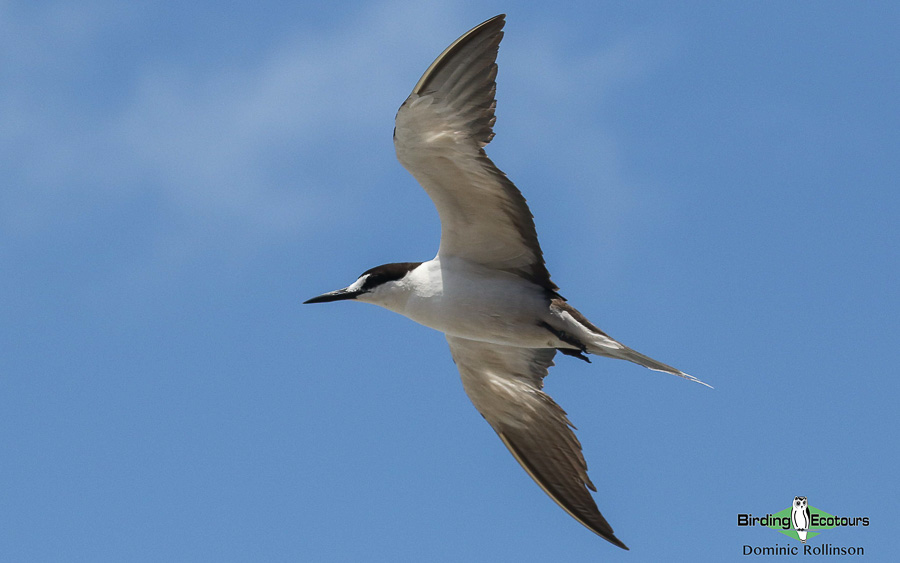
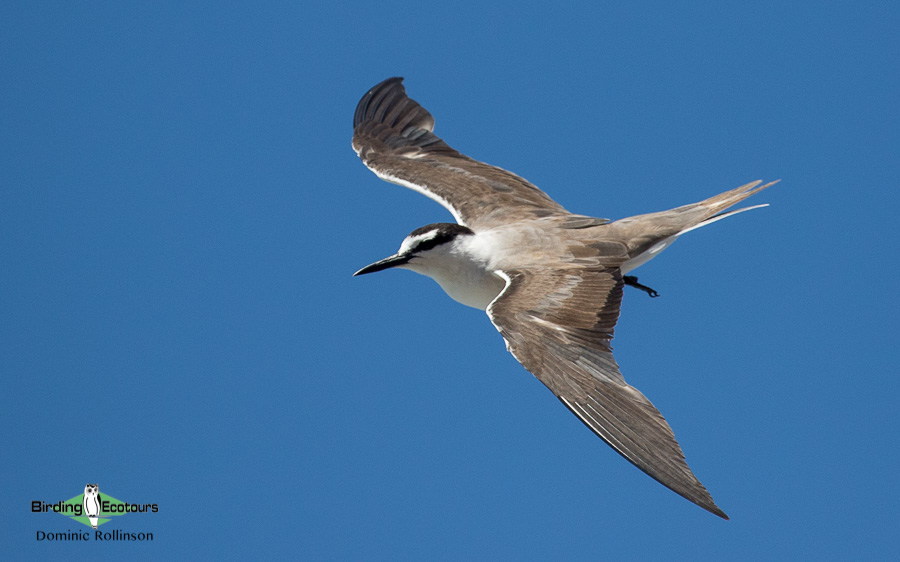
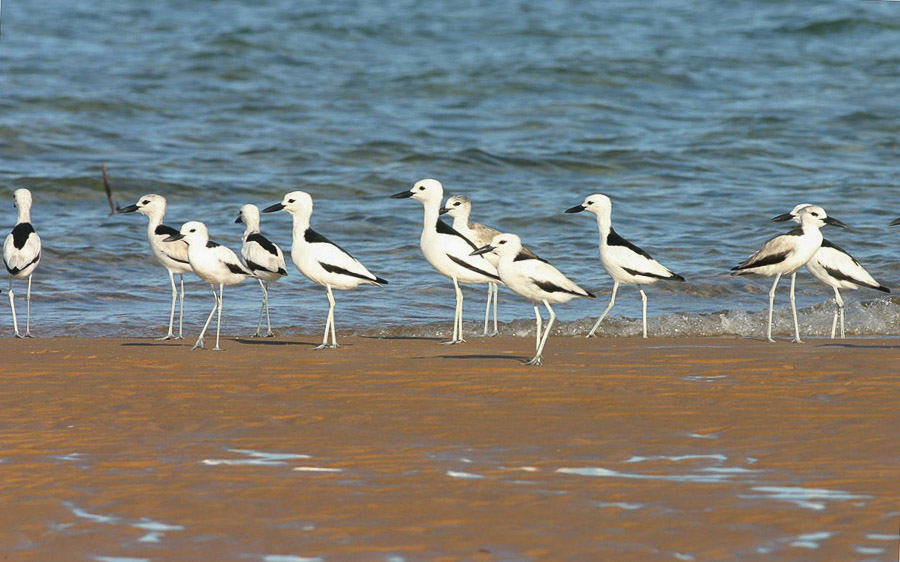
Coastal sites on the island will prove a delightful change of pace, as we search for a range of shorebirds like Greater Sand Plover, Curlew Sandpiper and Bar-tailed Godwit, along with the spectacular Crab-plover. We may also see several terns such as Lesser Crested and Bridled Terns, and other waterbirds like Malagasy Pond Heron and perhaps even Humblot’s Heron.
Overnight: Mayotte hotel
Day 10. Departure
Today our international flights will depart from Dzaoudzi-Pamandzi International Airport. There are no birding plans or activities, and the tour ends after breakfast.
Overnight: Not included
Please note that the itinerary cannot be guaranteed as it is only a rough guide and can be changed (usually slightly) due to factors such as availability of accommodation, updated information on the state of accommodation, roads, or birding sites, the discretion of the guides, and other factors. In addition, we sometimes have to use a different guide from the one advertised due to tour scheduling or other factors.
Map