- Duration:
- 10 days
- Group Size:
- This tour runs by request for your preferred group size.
- Tour Start:
- Majunga (Mahajanga) or Antananarivo (Tana)
- Tour End:
- Majunga (Mahajanga) or Antananarivo (Tana)
Madagascar: The Remote North
Details
2027
July–October
(dates by request)
July or August are good months, but September/October are better if we are able to get access to the serpent eagle site during their nesting season.
2028
July–October
(dates by request)
July or August are good months, but September/October are better if we are able to get access to the serpent eagle site during their nesting season.
Itinerary
Download ItineraryBirding Tour Madagascar: The Remote North
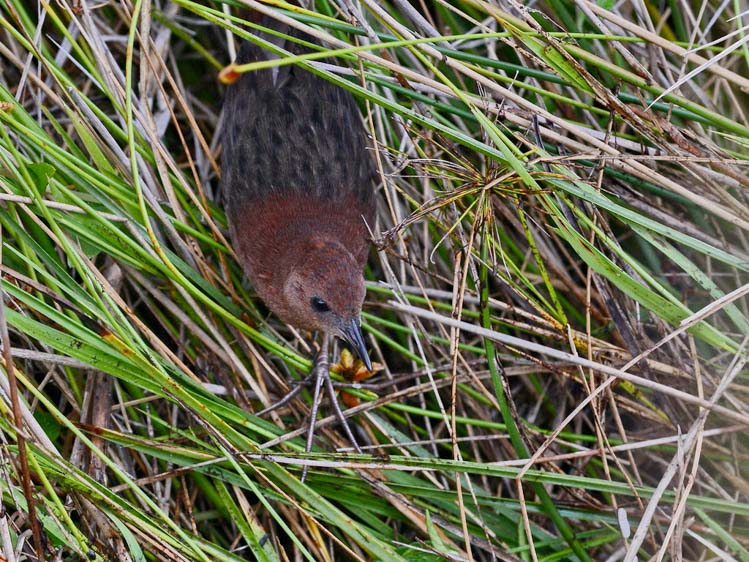
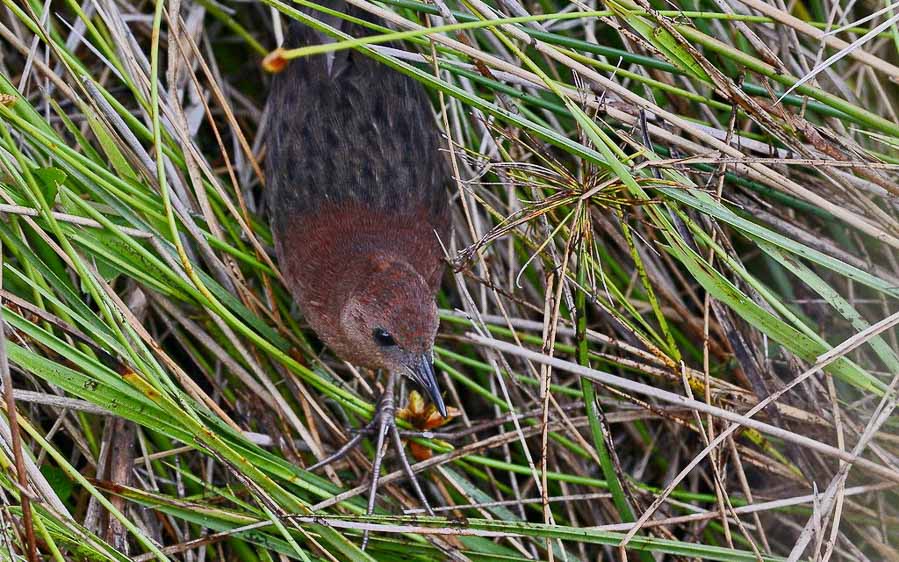 Slender-billed Flufftail, one of the many rare and range-restricted species that we’ll be on the lookout for (photo Alan Van Norman).
Overview
Sample itinerary – please note that we only run these remote Madagascar trips by request and not as standard set departures. The below is just a possible guideline itinerary for you to do but we recommend sending us a wish-list of “clean-up” bird species you haven’t yet seen in Madagascar (after you’ve done the normal set departures) and we can then put together the optimal itinerary for you.
Our “Remote North” Madagascar tour is good for serious listers who may have already done the classic Madagascar birding circuit which generally allows for birders to see around 80 percent of the island’s endemics. To find the remaining range-restricted Malagasy endemics, one needs to visit several remote sites which are not included on traditional birding tours. This special tour allows birders to connect with some of the rarest, most range-restricted, and threatened species on the planet. These include Madagascar Pochard, Madagascar Serpent Eagle (this can be tricky unless we are able to find nest sites and the Peregrine Fund allows access) Slender-billed Flufftail, and Red Owl. Not only is the birding spectacular, but so too is the scenery and the variety in the fauna and flora that one picks up along the way. The trip, however, has days of driving on awful roads, and some camping. But the birds available soon make one forget about the lack of common luxuries. But it is better to join our standard tours if you want proper accommodation and want to see a great deal of what Madagascar has to offer – this trip is for those who want to get closer to “cleaning up”.
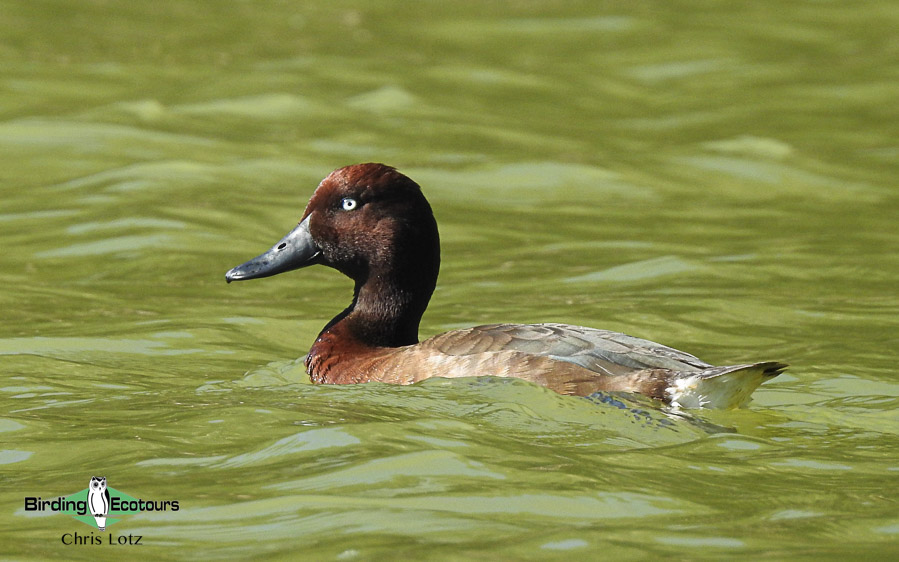 The Critically Endangered (IUCN) Madagascar Pochard is one of our targets on this trip.
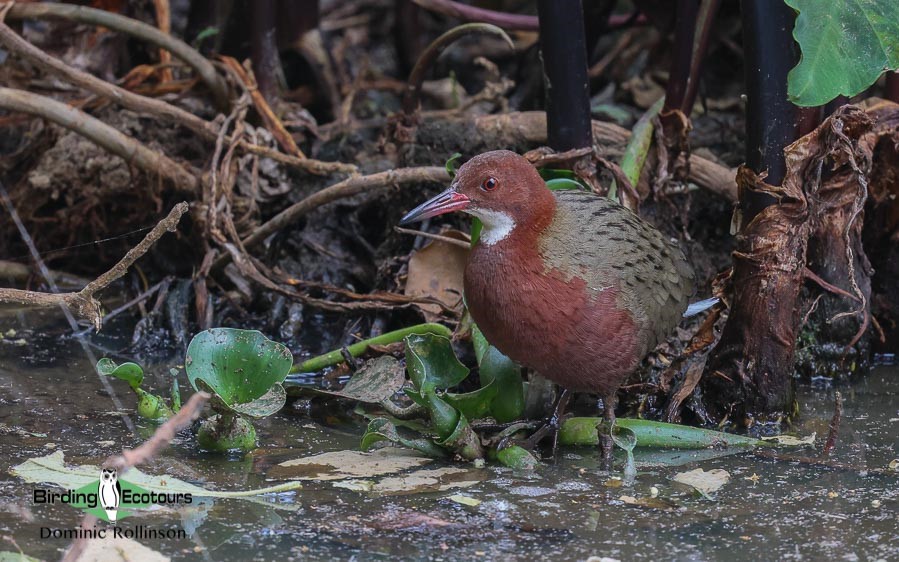
We also offer trips to other remote sites within the massive island of Madagascar to search for Tsingy Forest Rail (at Bekopaka) and for Sakalava Rail (at Lake Kinkony). Please ask us about other species as well, e.g. Dusky Tetraka, Amber Mountain Rock Thrush, Red-tailed Newtonia, etc. Please contact us for details. This Remote North Madagascar birding tour can be combined with our Birding Tour Comoros and Mayotte.
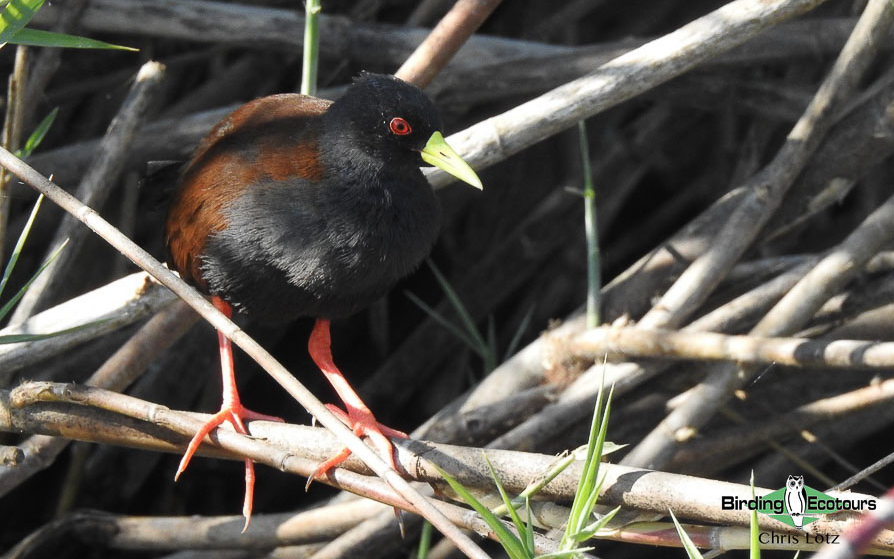 We offer trips to look for Sakalava Rail at Lake Kinkony.
Detailed Itinerary (10 days/9 nights)
Day 1. Arrival in Antananarivo (Tana)
You will arrive at Ivato International Airport, serving Antananarivo (usually abbreviated to Tana), the capital of Madagascar, and transfer to your hotel close to the airport. We might already see some common birds such as Red Fody and Madagascar Wagtail around the hotel grounds.
Overnight: Relais des Plateaux Hotel, Antananarivo
Day 2. Lake Tsarasoatra (time-permitting), flight to Mahajanga
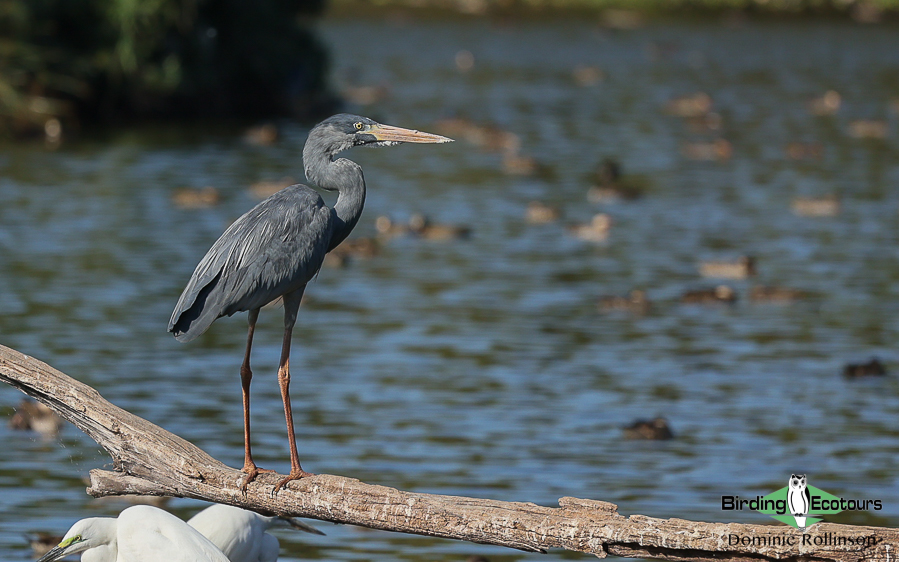
Today we will fly to the town of Mahajanga (Majunga) in the northwest of Madagascar on the Betsiboka Delta. If time allows, before our flight departs, we will make an early visit to Lake Tsarasoatra. This small lake near Tana is a Ramsar site and plays a pivotal role for 14 threatened waterbird species and subspecies that are endemic to Madagascar. Here we hope to get acquainted (or more likely re-acquainted, since many birders joining this remote Madagascar trip will have previously visited Madagascar and are now only seeking “off the beaten track” species) with many of Madagascar’s more common birds, such as White-throated Rail and Humblot’s Heron, along with Malagasy Pond Heron, which we usually find in very small numbers amid the heronry consisting mainly, of Squacco Heron.
After our arrival in Mahajanga a stroll along the beach adjacent to our hotel might yield a number of shorebirds.
We can add a 2-3 day camping trip to Lake Kinkony for Sakalava Rail, here. We can also add a couple of days at Ankarafantsika if you want to see classic north-western Madagascar birds. This section will then be very similar to our standard north-western Madagascar tour.
Overnight: Sunny Hotel, Mahajanga
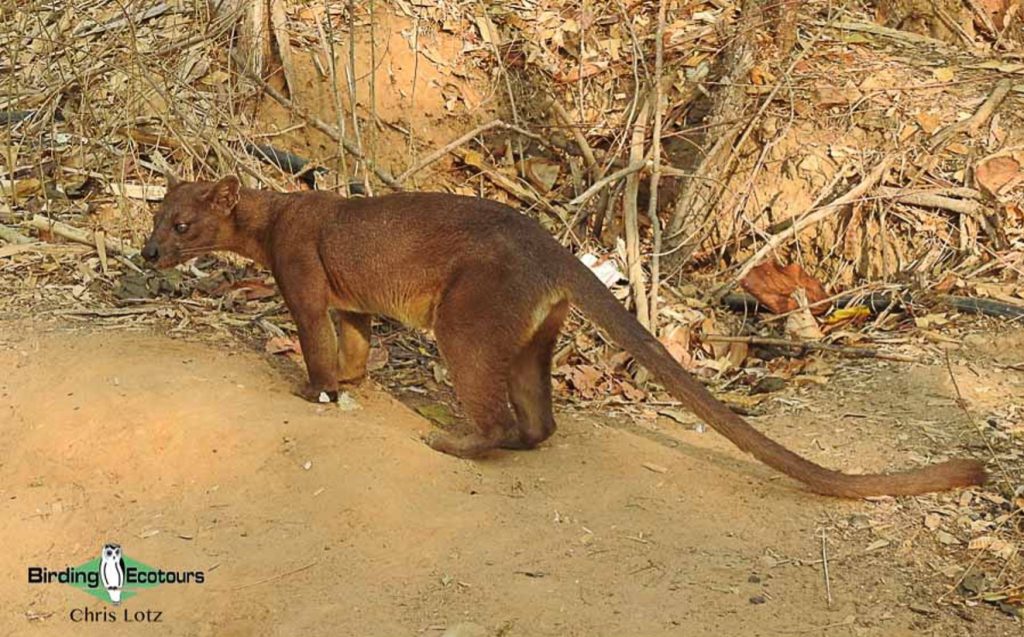 Fosa is often seen on our Tsingy Forest Rail trip.
Day 3. Transfer to Antsohihy
Today’s drive to Antsohihy will take the full day. With the worsening road, we advise an extra night at Ankarafantsika to break the journey; this provides a good opportunity to see some classic north-western Madagascar bird species including the Critically Endangered (IUCN) Madagascar Fish Eagle, the stunning Schlegel’s Asity, the unusual White-breasted Mesite and many others.
Overnight: Basic hotel in Antsohihy
Day 4. Antsohihy to Bemanevika
This is a marathon drive that has become difficult to do in a single day because the road has become particularly bad. We did the drive on our August 2024 tour but if the road gets worse we will have to overnight at a guest house in Baelanana en route. During these long drives, we don’t have much time for birding, but we will be aware of roadside birds like Olive Bee-eater, Malagasy Kestrel, Madagascar Cisticola and perhaps the occasional Madagascar Buzzard.
Bemanevika is one of three protected areas in Madagascar’s Protected Areas System (SAPM – Système des Aires Protégées de Madagascar). It comprises a unique mosaic of wetlands, marshlands, grasslands and rainforest fragments and is home to two of Madagascar’s most threatened endemics. These are Madagascar Pochard, the world’s rarest duck, formerly thought to be extinct in the wild, only rediscovered in 2006, and now classified as Critically Endangered (IUCN), and the Endangered (IUCN) Madagascar Serpent Eagle, as well as a good number of other threatened and endemic species. Two other major targets while here are Red Owl and Slender-billed Flufftail (along with the much more common Madagascar Flufftail).On our arrival, an eager camp staff will welcome us to the pristine environment that they and the Peregrine Fund maintain and conduct research in, which will be our base for the next three nights.
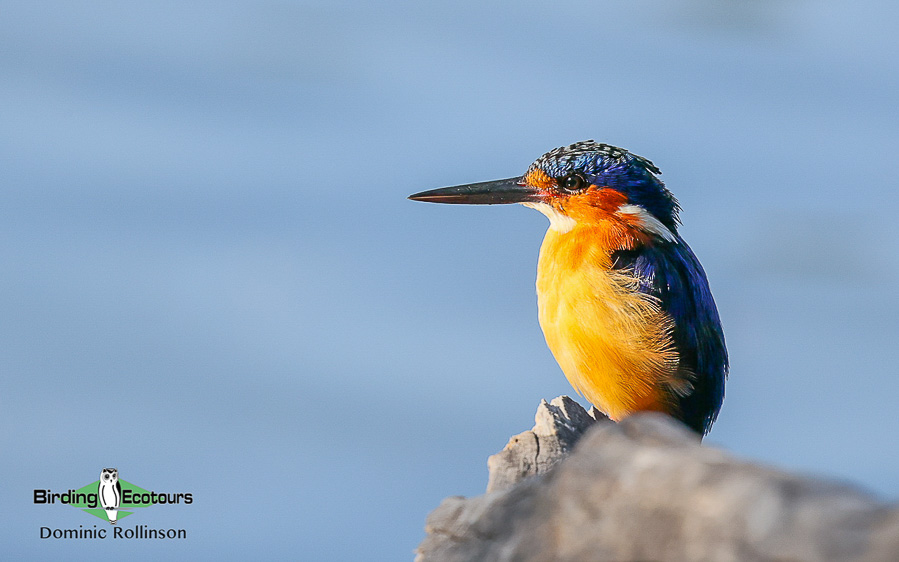
After setting up camp we will start exploring the different habitats of this exciting place and will look for White-throated Rail, Madagascar Lark, and other species. On one of the small lakes we’ll scan for Meller’s Duck and Malagasy Kingfisher, and in the forested area we set out to seek one of the main targets of this trip, Red Owl, by far the most uncommon of the owls the island has to offer, and one which very few world birders have laid eyes upon.
Overnight: Camping, Bemanevika
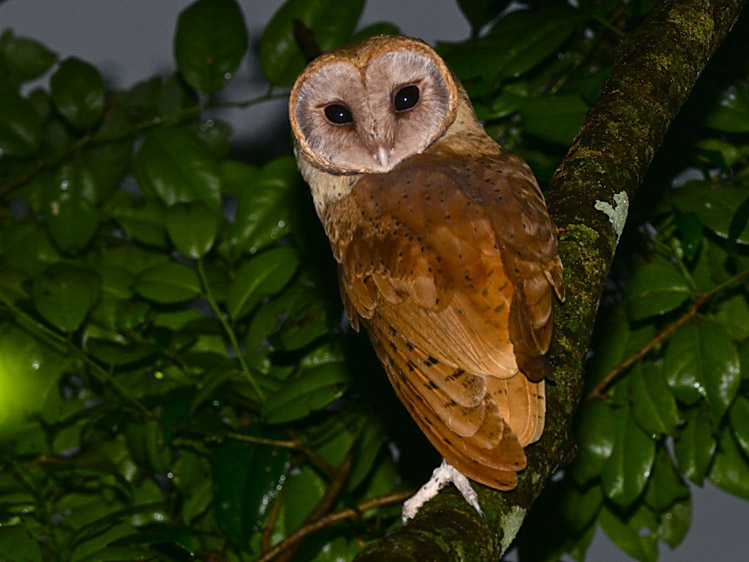 The mega rare Red Owl will hopefully be seen on this tour (photo Alan van Norman).
Days 5 – 6. Bemanevika
We will have two full days to search for the very special birds this area has to offer. Our main targets, of course, are the sought-after Madagascar Pochard, Madagascar Serpent Eagle, Red Owl, and Slender-billed Flufftail. We have a good success rate with three of these species, but serpent eagle sightings depend on whether we can access the site when there is an active nest around, otherwise we need a lot of luck.
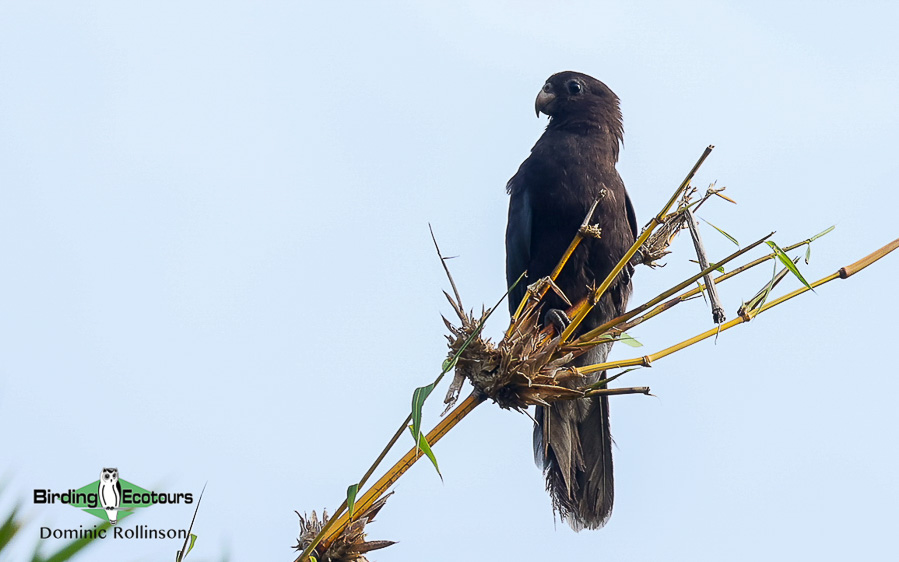
In addition, there will be many other fascinating species. In the marshes, grasslands and nearby wooded areas we will be on the lookout for Malagasy Harrier, Madagascar Cuckoo, Madagascar Cuckoo-Hawk, Lesser Vasa Parrot, Madagascar Lark, Mascarene Martin, Malagasy Kestrel, and Olive Bee-eater. We will also search for Madagascar Partridge, Grey Emutail, Madagascar Harrier-Hawk, Blue Coua, Malagasy Black Swift, Malagasy White-eye and Madagascar Flufftail.
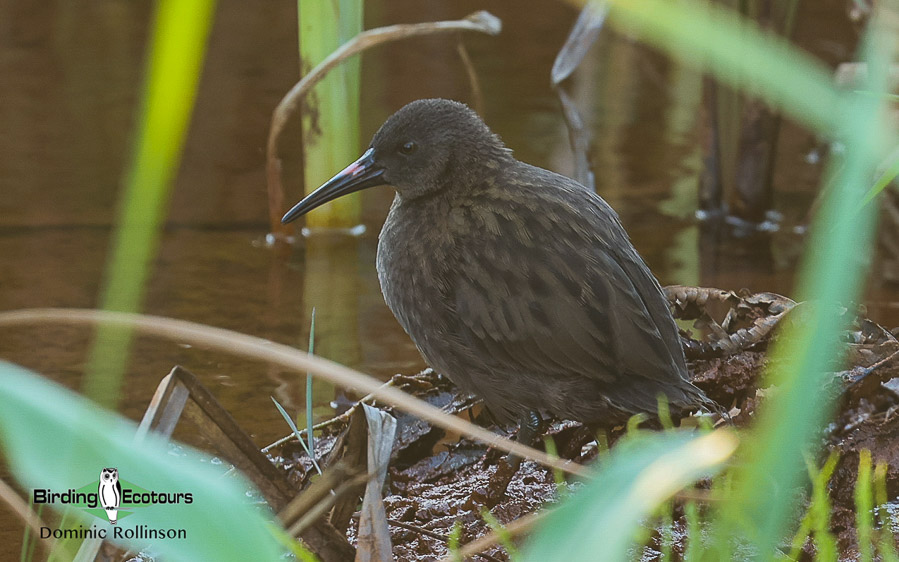
At the “Madagascar Pochard Lake” we could find Madagascar Swamp Warbler, and Madagascar Rail, and night outings will provide opportunities for Madagascar Nightjar, Rainforest Scops Owl, and Madagascar Owl.
Overnight: Camping, Bemanevika
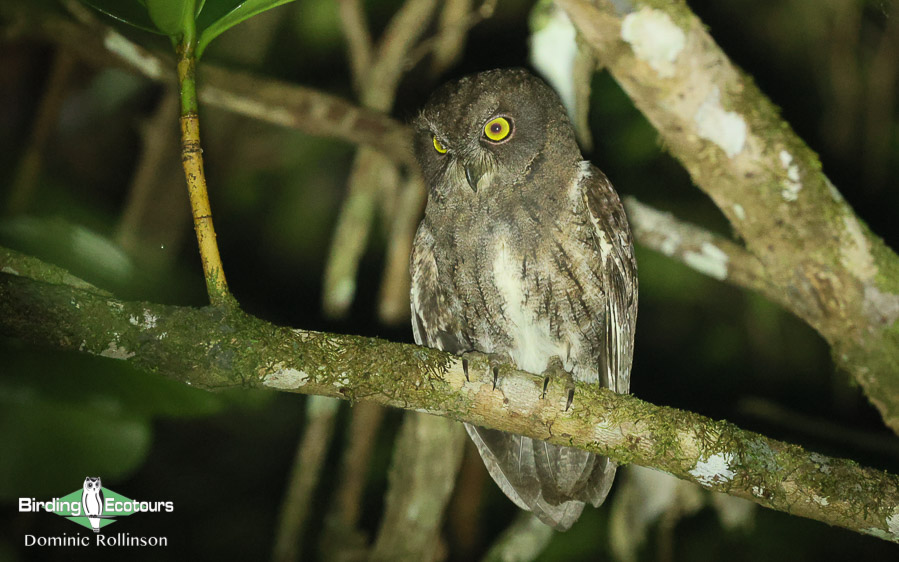 The tiny Rainforest Scops Owl.
Day 7. Bemanevika to Antsohihy
Today we start our return voyage, driving back south-westwards for an overnight stop in Antsohihy while birding en route. We will stop for a picnic lunch. Again, with the deteriorating road, doing this whole chunk in a single day is becoming increasingly difficult.
Overnight: Hotel in Antsohihy
Day 8. Antsohihy to Mahajanga
Today we will transfer from Antsohihy to Mahajanga. On the way we may have lunch in Ankarafantsika National Park, where roughly 130 species of birds have been recorded, more than half of them endemic to Madagascar. We hope to be able to encounter a number of them during our lunch stop, perhaps even the Critically Endangered (IUCN) Madagascar Fish Eagle.
Overnight: Sunny Hotel or similar, Mahajanga
Day 9. Birding the Betsiboka Delta, flight to Antananarivo
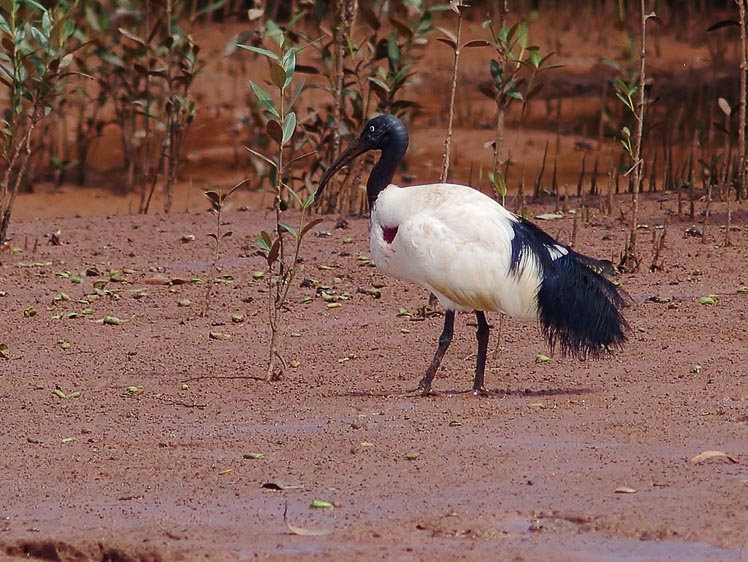
In the morning we’ll bird the mangroves at the Betsiboka Delta for rare species such as Malagasy Sacred Ibis and Bernier’s Teal, along with a host of tropical shorebirds, hopefully including Crab-plover, terns, and more. Then we’ll take a flight back to Antananarivo.
Overnight: Relais des Plateaux Hotel, Antananarivo
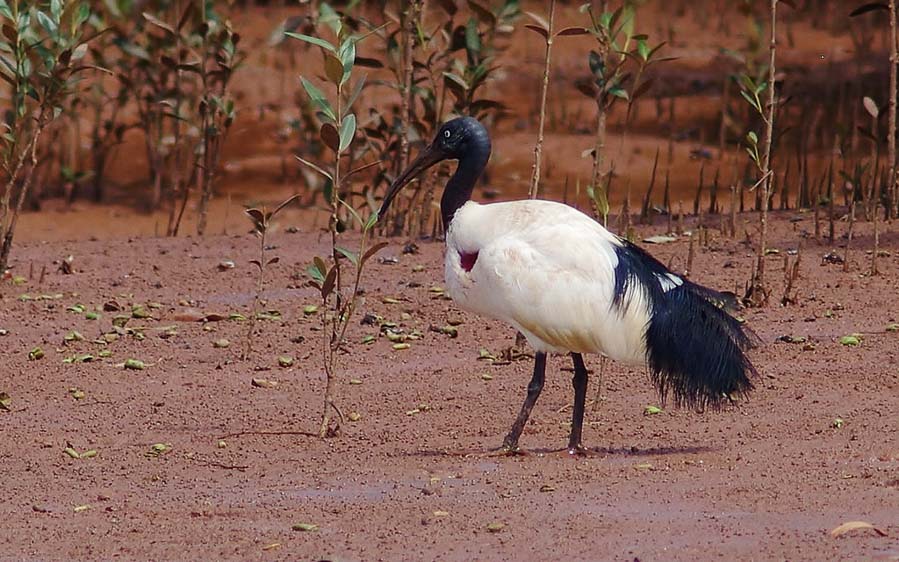 We’ll look for Madagascar Sacred Ibis at the Betsiboka Delta.
Day 10. Departure
Today either your international flight will leave for home or you will fly to Grand Comoro for our trip to the Comoro Islands and Mayotte.
Please note that the itinerary cannot be guaranteed as it is only a rough guide and can be changed (usually slightly) due to factors such as availability of accommodation, updated information on the state of accommodation, roads, or birding sites, the discretion of the guides and other factors. In addition, we sometimes have to use a different guide from the one advertised due to tour scheduling or other factors.
Map
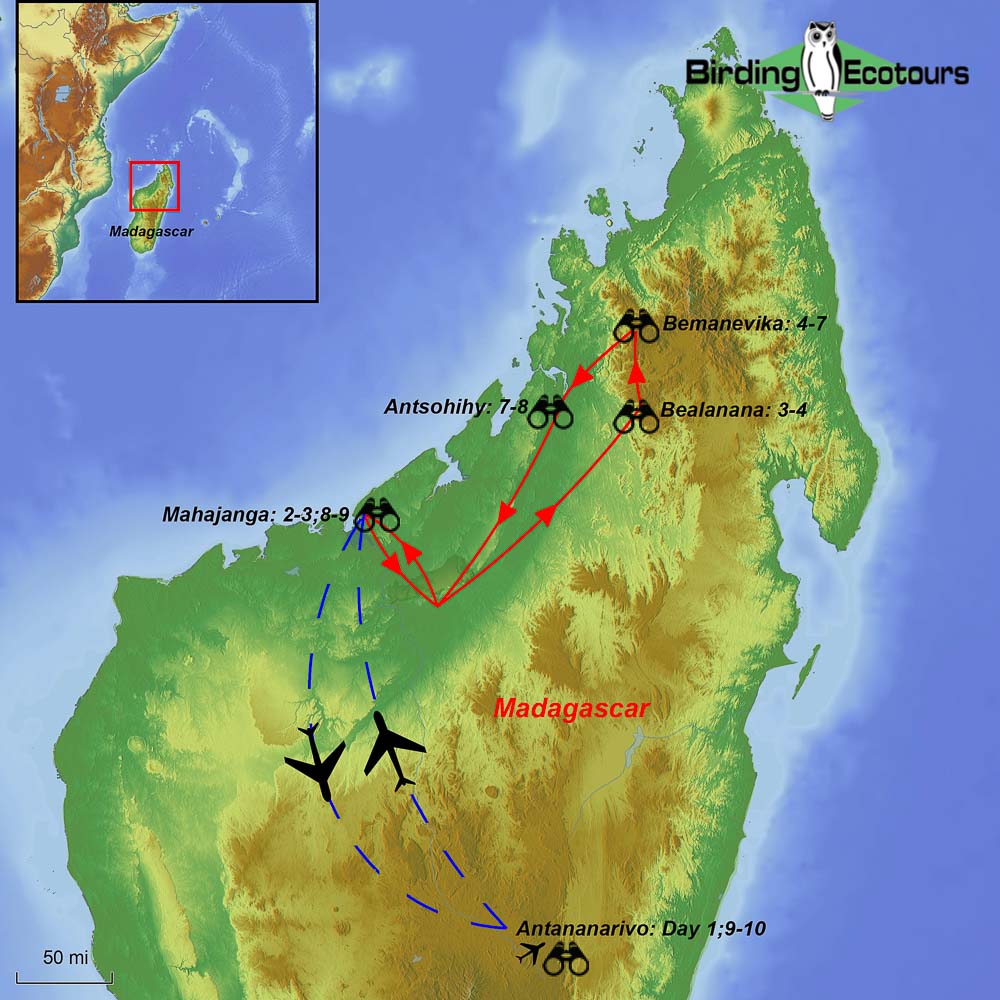
Gallery
General Information
GENERAL INFORMATION ABOUT MADAGASCAR CAN BE READ HERE