- Duration:
- 16 days
- Group Size:
- 6–8
- Tour Start:
- Blantyre, Malawi
- Tour End:
- Lilongwe, Malawi
Ultimate Malawi Birding Tour: From Zomba Forests to Nyika Highlands, with African Pitta
Details
2026
01 – 16 December
Per person sharing
$9,910 USD
£7,883 GBP / €9,254 EUR
Single supplement
$750 USD
£596 GBP / €700 EUR
2027
01 – 16 December
Per person sharing
$10,950 USD
£8,711 GBP / €10,225 EUR
Single supplement
$832 USD
£662 GBP / €777 EUR
Itinerary
Download ItineraryUltimate Malawi Birding Tour: From Zomba Forests to Nyika Highlands, with African Pitta
Malawi, a small country in southeast Africa rarely visited by tourists, is an absolutely amazing destination for birders. Its numerous national parks and protected areas are brimming with avian riches, and the beautiful Lake Malawi adds a different mix of birds to the enjoyment. Malawi has some of the finest patches of miombo woodland anywhere in Africa, and also hosts a number of highly localized birds broadly restricted to this remote area of neighboring northern Mozambique, southern Tanzania and Zambia. Indeed, many of these birds are extremely difficult (or impossible) to find outside of Malawi due to logistical (and safety) issues – thereby making Malawi an essential destination for world birders.
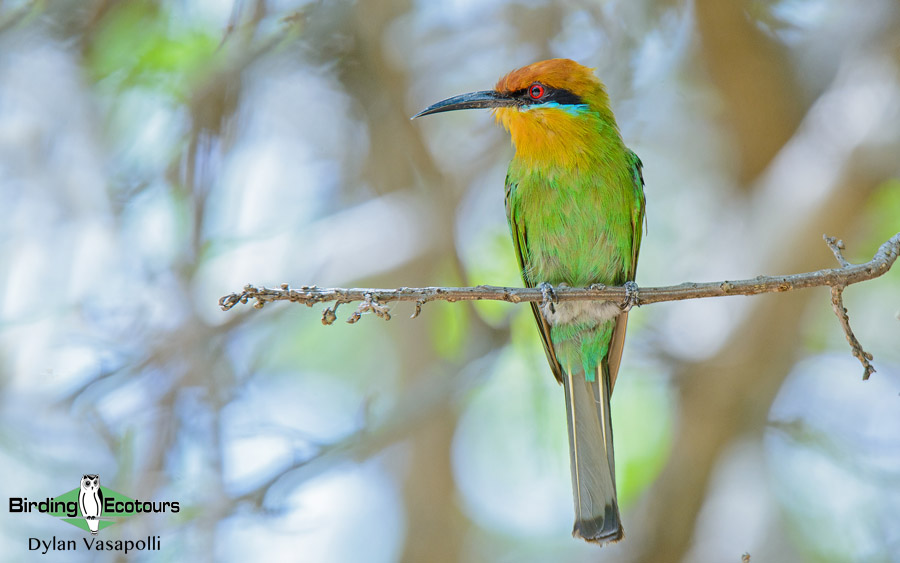 The gorgeous Böhm’s Bee-eater should be found on this trip.
Our comprehensive tour covers the length of Malawi, taking in all the necessary and key localities needed to ensure we have a chance of finding all the country’s many specials. Additionally, several of the excellent National Parks we visit also host almost all of Africa’s megafauna – of which such characteristic species as African Elephant and Hippopotamus should easily be seen.
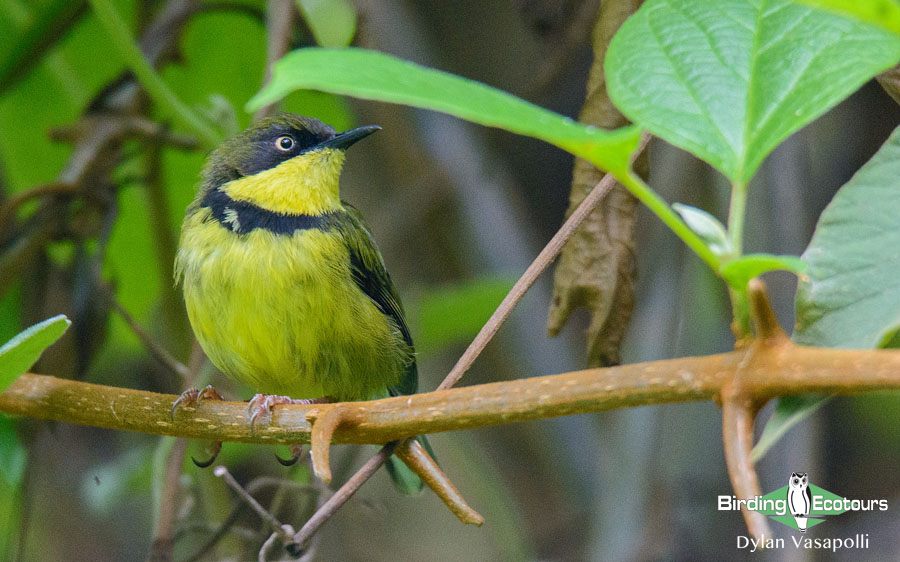
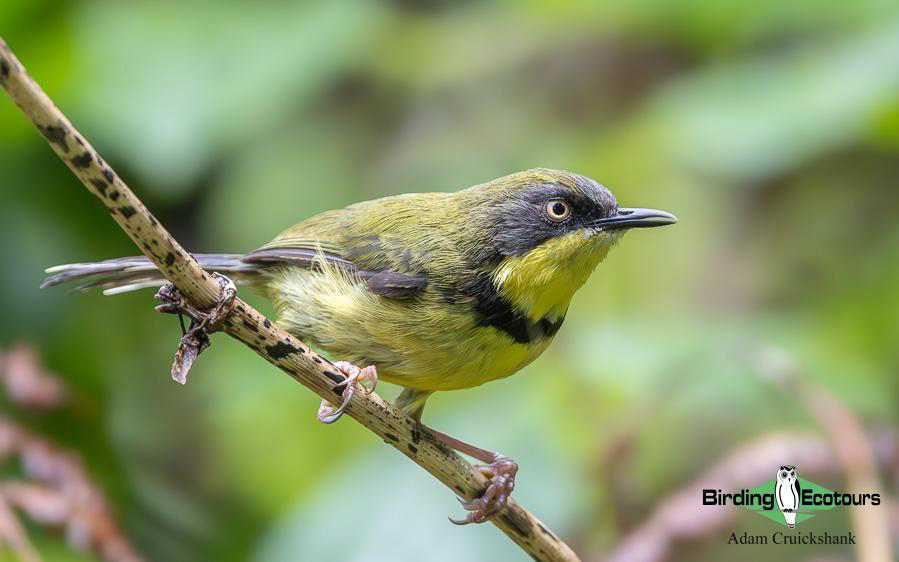 Yellow-throated Apalis is Malawi’s only endemic bird, and should be seen around Zomba.
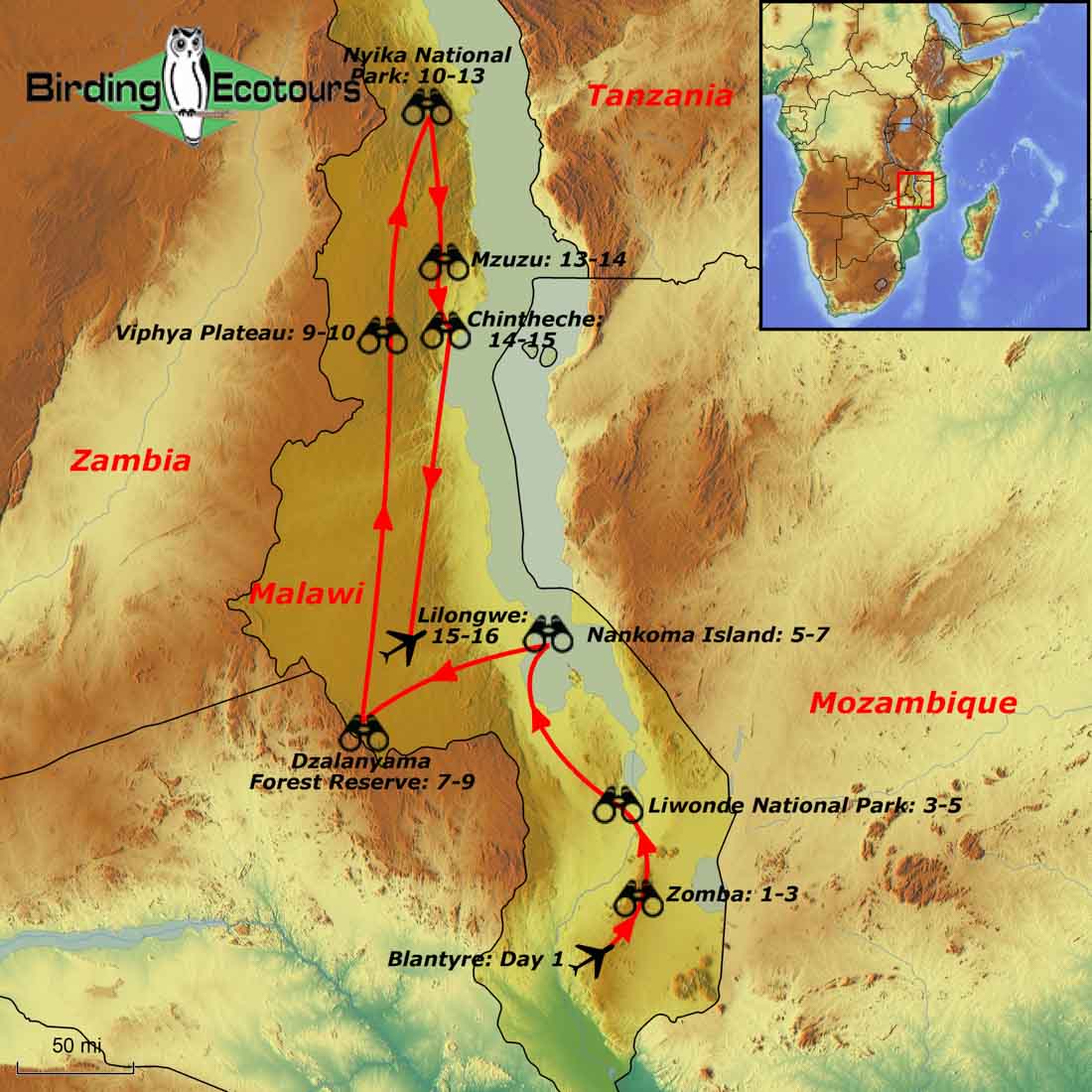
This tour begins in southern Malawi in the city of Blantyre. After arrival, we travel north to explore the remnant tracts of montane forest atop the Zomba massif. A number of highly localized species await here, including Malawi’s only endemic bird, Yellow-throated Apalis, along with the rare Thyolo Alethe, the stunning White-winged Apalis and newly recognized Malawi Batis. We then descend into the lush lowlands of the Shire River Valley to explore the excellent Liwonde National Park (arguably Malawi’s premier game reserve). Our bird and mammal lists grow quickly in this productive habitat, where specials such as Pel’s Fishing Owl and Lilian’s Lovebird are possible. From here we continue to Lake Malawi, one of the most scenic lakes in the East African Rift Valley, where we spend two nights on the small island of Nankoma. This provides a wonderful opportunity to search for African Pitta, which reliably nests on the island during December.
Next, we visit Dzalanyama Forest Reserve for its miombo woodland. This distinctive south-central African habitat supports a host of species largely confined to miombo woodland, including the highly localized Stierling’s Woodpecker, Miombo Tit and Anchieta’s Sunbird. Bypassing the capital city, our journey culminates in the breathtaking Nyika National Park in the far north of the country. We spend several days exploring its remarkable landscapes and avifauna in what is undoubtedly one of Africa’s best-kept secrets and a favorite destination among our guides and guests alike. Here we search for a great many species, including localized birds such as Sharpe’s Akalat and Yellow-browed Seedeater, to others like Olive-flanked Ground Robin, Bar-tailed Trogon, White-headed Saw-wing, Blue Swallow and Scarlet-tufted Sunbird, along with a host of others. A few strategic stops on the return journey allow us to look for further tough birds like Babbling Starling and East Coast Akalat, among others.
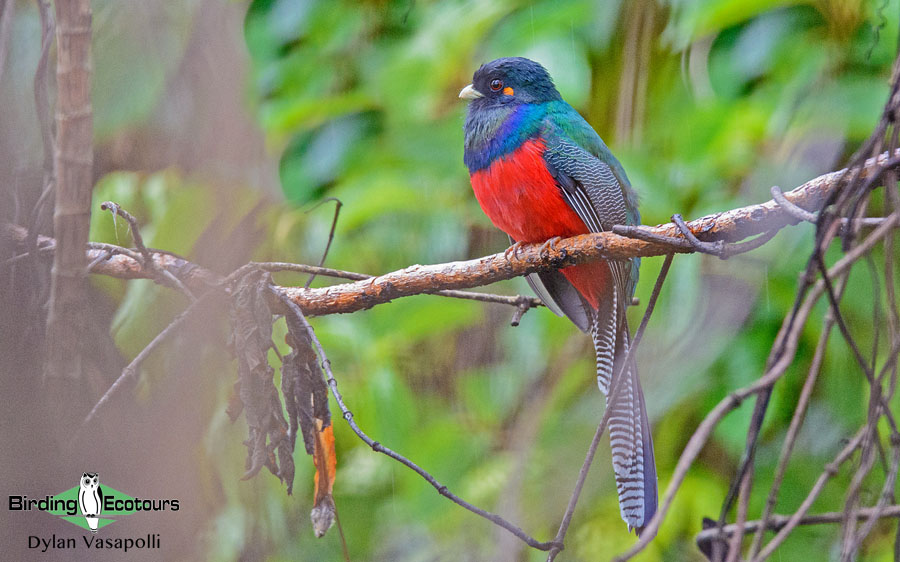
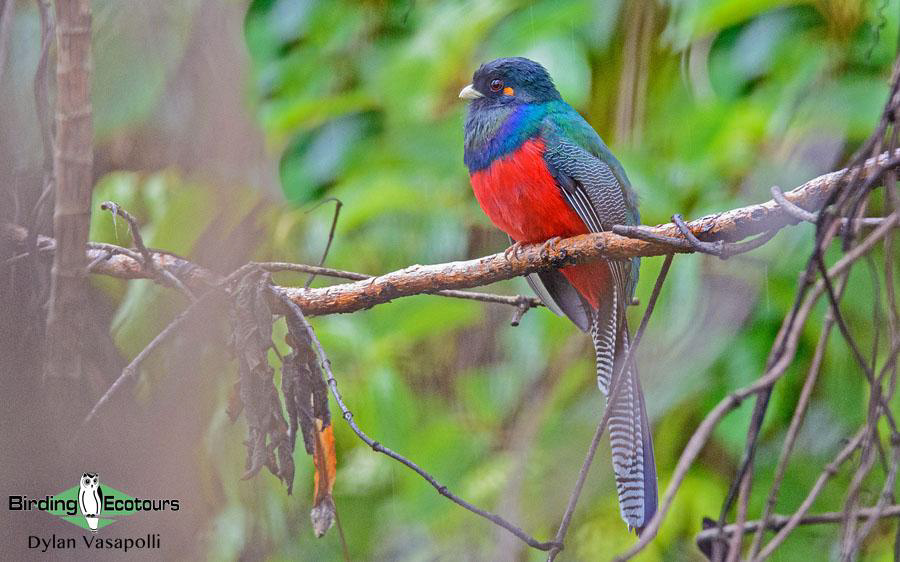 Bar-tailed Trogon can be reliably sought in the Nyika forests.
Itinerary (16 days/15 nights)
Day 1. Arrival in Blantyre
Once we have arrived in Blantyre Airport (BLZ), we will travel the short distance northwards to Zomba, the historic former capital of Malawi. Here, we will transfer up the mountain that looms above the town, where we will base ourselves at a comfortable hotel (with stunning views of the plains below) for two nights. Most scheduled international flights tend to arrive in the late-morning to mid-afternoon time segment, and we should be able to get our first birding in this afternoon (more details of our targets can be read under Day 2 below).
Overnight: Zomba Mountain
Days 2. Birding Zomba Mountain – Malawi’s only endemic and more
We will set off early to start our birding. Our core focus will be in the tiny remnant pockets of montane forest that exist on the plateau (much of which has been cut down, unfortunately, as has happened with other sites in the country, such as the forests around Thyolo). These small pockets, however, still support a wealth of birdlife and, importantly, still support some of Malawi’s most prized birds. Foremost amongst those is the Thyolo Alethe – a shy forest robin that requires stealth and patience to see. Malawi’s only endemic bird, the Yellow-throated Apalis is another primary target and is typically more easily sought on the forest edges. Noisy Livingstone’s Turacos and Olive-headed Greenbuls are a regular sight in the canopy, with Long-crested Eagle and White-eared Barbet preferring exposed branches above the canopy. The forest interior supports a greater number of species and here we’ll search for a wide range of species such as the Malawi Batis (recently recognized as its own species, with its range confined essentially to Malawi), White-tailed Crested Flycatcher, Cabanis’s Greenbul, Yellow-throated Woodland Warbler, Black-headed Apalis, Orange Ground Thrush, White-starred Robin, Dark-backed Weaver, Green Twinspot and Red-faced Crimsonwing.
 The tough Thyolo Alethe is a big target of ours in the Zomba forests. These are shy skulkers and we hope to have views as good as this!
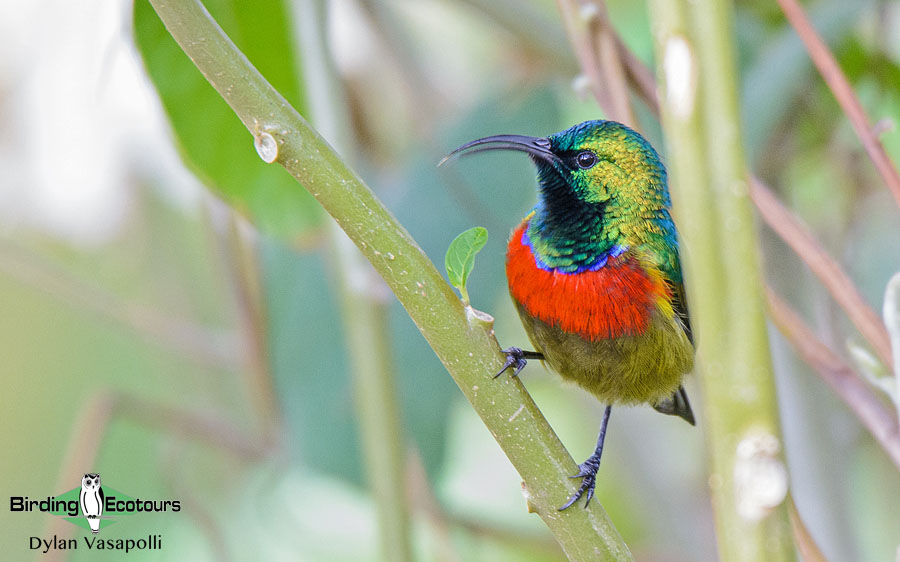
Denser thickets found along the streams running through the area support the likes of the vocal Evergreen Forest Warbler (although this skulking species is not easily seen) and the stunning White-winged Apalis – often referred to as the most beautiful ‘warbler’ in Africa! Sunbirds abound throughout the area and, importantly, we will seek out the localized Forest Double-collared Sunbird (which is fortunately common). Small areas of open lands exist on the plateau and hold further species such as Red-necked and Hildebrant’s Spurfowls, African Yellow Warbler, Singing and Wailing Cisticolas, the scarce Bertram’s Weaver, Black-winged Red Bishop, Yellow-bellied Waxbill and African Firefinch. Rocky areas will be searched for the likes of Striped Pipit, and while the dams and streams don’t have a wealth of waterbirds, Mountain Wagtail is often present. We will need to keep our eyes to the sky as raptors such as Augur Buzzard and Black Sparrowhawk, along with aerial feeders such as Scarce and Mottled Swifts, can be sought here.
Overnight: Zomba Mountain
Days 3 – 4. Birds and mammals in Liwonde National Park
We have a final morning available on Zomba Mountain to try and find any species that we may still be searching for – which might include the tricky and difficult to see Thyolo Alethe and White-winged Apalis. We will then transfer to our next destination – Liwonde National Park, which is fortunately nearby. Liwonde is a very biodiverse area, supporting a wealth of birdlife and a wide range of Africa’s megafauna. Our time here will be spent exploring the park with a mix of game drives, boat cruises and bush walks. While the birds and birding will be our main focus, we’ll also keep an eye out for all of Africa’s megafauna and certainly won’t be ignoring them. Indeed, we find that while looking for birds, we come across a wide range of mammals in the process. Although our bird list will grow handsomely here with a wide range of species possible, there are various target species we’ll be specifically looking for. The riverine woodlands hold the sought-after Pel’s Fishing Owl, Green Malkoha, Brown-breasted Barbet, Böhm’s Bee-eater, Livingstone’s Flycatcher and Collared Palm Thrush, with Lilian’s Lovebird being more widely distributed throughout the wooded areas of the park. White-backed Night Heron is another important target here, occurring in the over-hanging river vegetation.
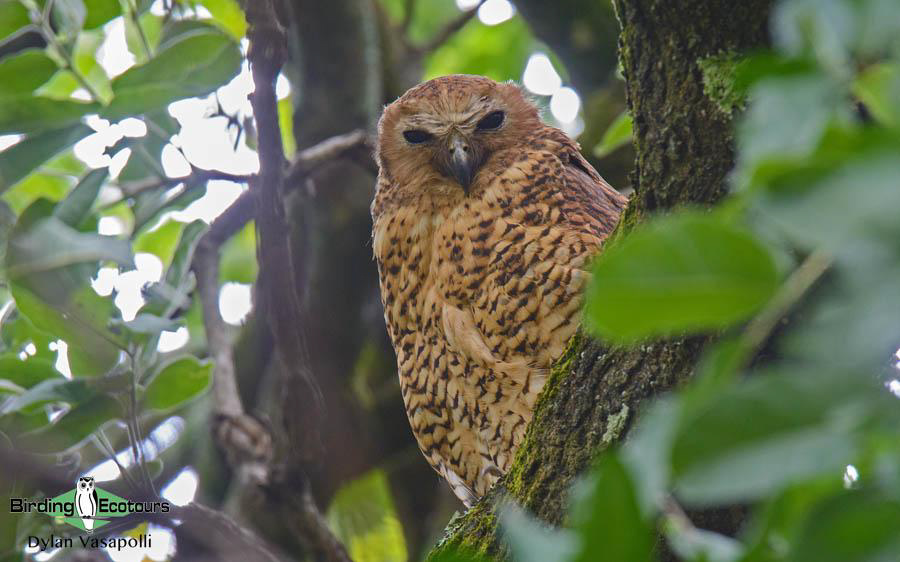 Liwonde is a great place to find the highly sought-after Pel’s Fishing Owl.
Dickinson’s Kestrel is best sought in the open ilala palm savannah on the edges of the floodplains, while Racket-tailed Roller, Speckle-throated Woodpecker and Arnot’s Chat are best sought in the vast mopane woodlands. A wide array of waterbirds can be found here, with numbers and species varying depending on the water levels of the Shire River. Some of the more important species we’ll be searching for include African Skimmer, Saddle-billed Stork and Spur-winged Lapwing. Liwonde is a great place for raptors – we stand a good chance of seeing a number of different species, such as Palm-nut Vulture, African Cuckoo-Hawk, Western Banded Snake Eagle and Bateleur. Owls are likewise well represented, and we stand good chances at finding African Barred Owlet, African Wood Owl and Verreaux’s Eagle-Owl, in addition to the prized Pel’s Fishing Owl. This is a list highlighting only our ‘main targets’ at Liwonde – we’re assured to see many other birds whilst attempting to find these above-mentioned species.
Shifting our attention to the other wildlife possible here – The ‘Big 5’ do occur (African Elephant, African Buffalo, Lion, Leopard and Rhino), although some of them, such as Lion and Leopard, are rarely seen. African Elephant, African Buffalo and Hippopotamus abound and are easy to see. A wide array of plains game, such as Plains Zebra, Waterbuck, Greater Kudu and Common Warthog can also be seen. The park is also a great area to find the stunning Sable Antelope. African Parks has been actively involved in reintroducing game to Liwonde, and it has been very successful so far in reestablishing populations of Lion and Cheetah, and also bolstered the population of Black Rhino found in the reserve.
Overnight: Mvuu Camp, Liwonde National Park
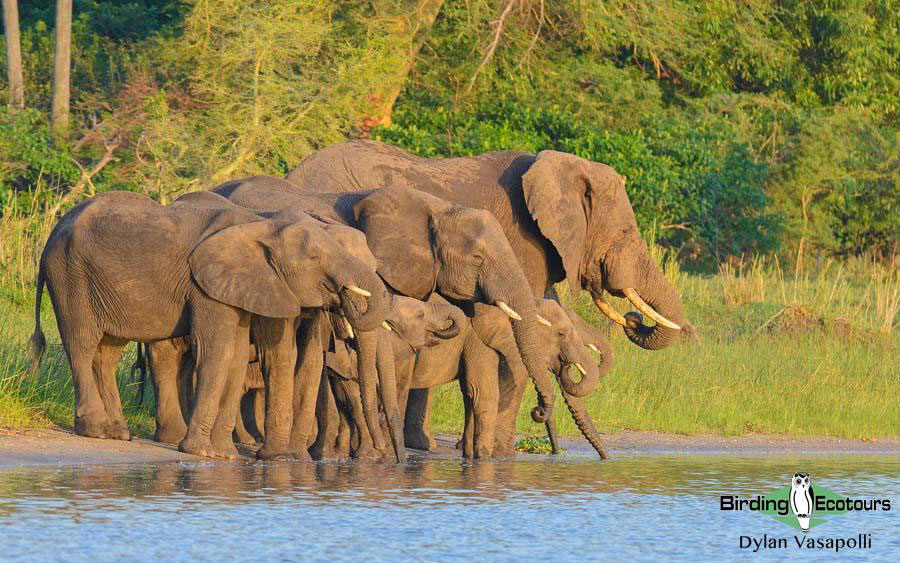 Boat trips along the Shire River in Liwonde are always a firm highlight – and they usually give us excellent sightings, like these drinking African Elephants.
Shifting our attention to the other wildlife possible here – The ‘Big 5’ do occur (African Elephant, African Buffalo, Lion, Leopard and Rhino), although some of them such as Lion and Leopard are rarely seen. African Elephant, African Buffalo and Hippopotamus abound and are easy to see. A wide array of plains game, such as Plains Zebra, Waterbuck, Greater Kudu and Common Warthog can also be seen. The park is also a great area to find the stunning Sable Antelope. African Parks has been actively involved in reintroducing game to Liwonde, and it has been very successful so far in reestablishing populations of Lion and Cheetah, and helped to bolster the population of Black Rhino found in the reserve. Nile Crocodile, including some very large individuals, can be readily found in the Shire River.
Overnight: Mvuu Camp, Liwonde National Park
Days 5 – 6. African Pittas on Lake Malawi
After our time at Liwonde we continue our journey north to the edge of the massive Lake Malawi. Here we board a boat and transfer to the small Nankoma Island, a short hop from the ‘mainland’, where we base ourselves at the comfortable Blue Zebra Lodge for two nights. The main purpose of coming to the island is to try for the highly sought-after African Pitta – with several birds reliably choosing this island to breed on during this specific (December) time of the year, and we stand a good chance of finding this special bird. They are skulking birds and some degree of patience is usually needed. The dense woods on the island also support other species like Blue-spotted Wood Dove and Narina Trogon, while Southern Brown-throated Weavers breed en-masse in the reeds around the lodge. Away from the birding, the lodge also offers some good snorkeling and boat trip possibilities (though these activities are for your own account).
Overnight: Blue Zebra Lodge, Nankoma Island
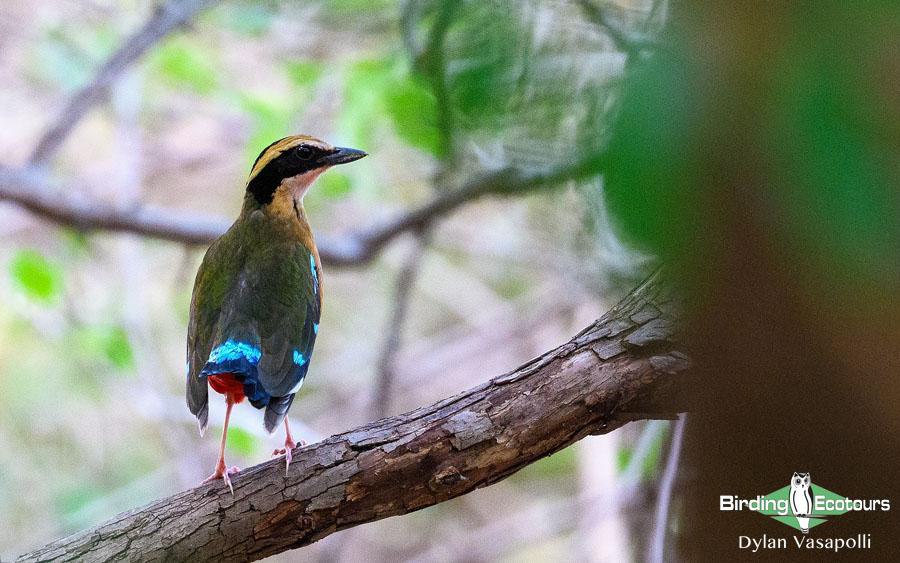 We time our tour specifically to best coincide with the highly sought-after African Pitta being present. These ‘breeding migrant’ birds are only possible in the lowlands of the broader Zambezi River basin of south-central Africa during a brief few weeks in late Nov/Dec.
Day 7 – 8. Supreme birding in the Dzalanyama Forest Reserve
Following our time at Blue Zebra Lodge on Lake Malawi, we’ll transfer to the Dzalanyama Forest Reserve, via Lilongwe. We anticipate arriving in the mid-afternoon, from where we’ll check into our rustic, yet comfortable, lodge located in the heart of the reserve. Set on the Mozambican border, the Dzalanyama Forest Reserve has some of the best remaining miombo woodland in the country. We have two nights based here as we set about covering various locations in the area – most of our birding will be on foot walking through the woods.
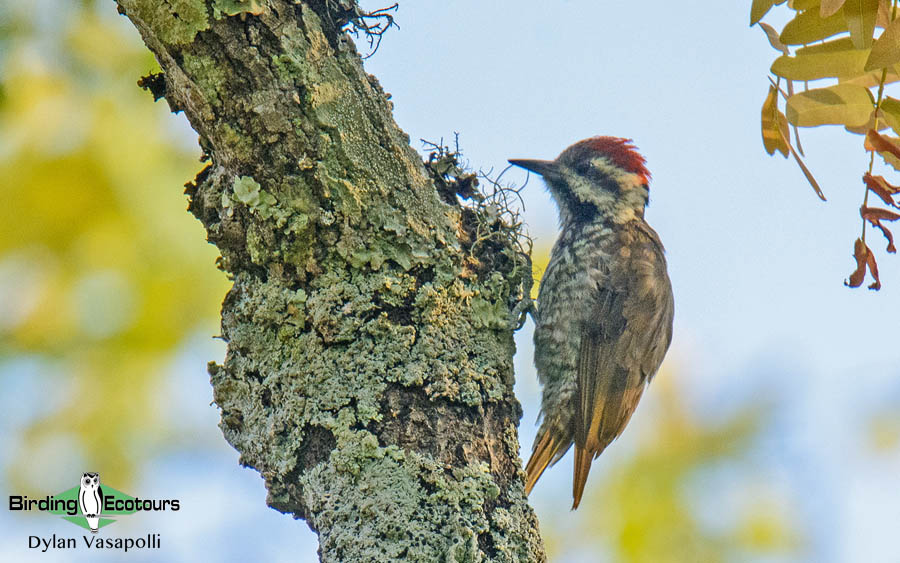
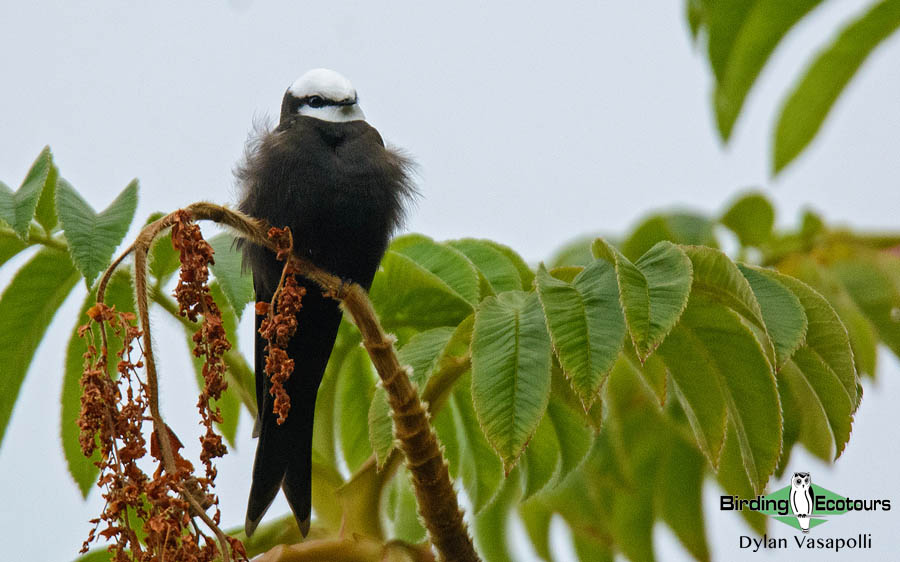
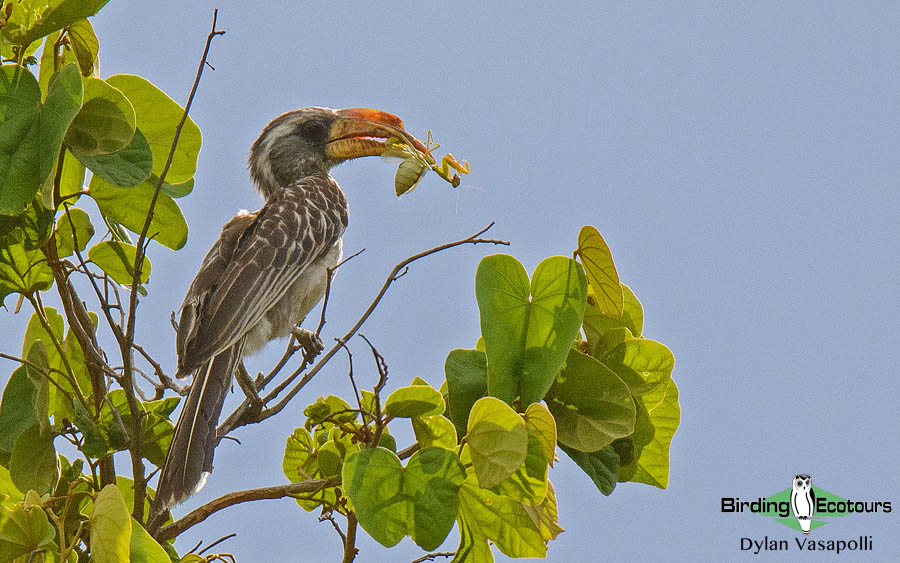
Miombo woodland is a unique woodland dominated by brachystegia tree species, and supports a very specific suite of birds, virtually restricted to this woodland – many of which have ‘miombo’ in their name. The birding here is very exciting, with the birds often occurring in ‘feeding parties’, and after finding one, the birds come in thick and fast. Dzalanyama is one of the best places anywhere for the localized Stierling’s Woodpecker, and this will be one of our main targets. Whilst traversing the woodlands, we will be trying for many other miombo specials, such as Pale-billed Hornbill, Whyte’s and Miombo Pied Barbets, White-breasted Cuckooshrike, Souza’s Shrike, Rufous-bellied and Miombo Tits, Red-capped Crombec, Yellow-bellied and Southern Hyliotas, the prized African Spotted Creeper, Miombo Blue-eared Starling, Miombo Scrub Robin, the inconspicuous Böhm’s Flycatcher, Miombo Rock Thrush, the stunning Anchieta’s Sunbird, Wood Pipit, Reichard’s and Black-eared Seedeaters and Cabanis’s Bunting.
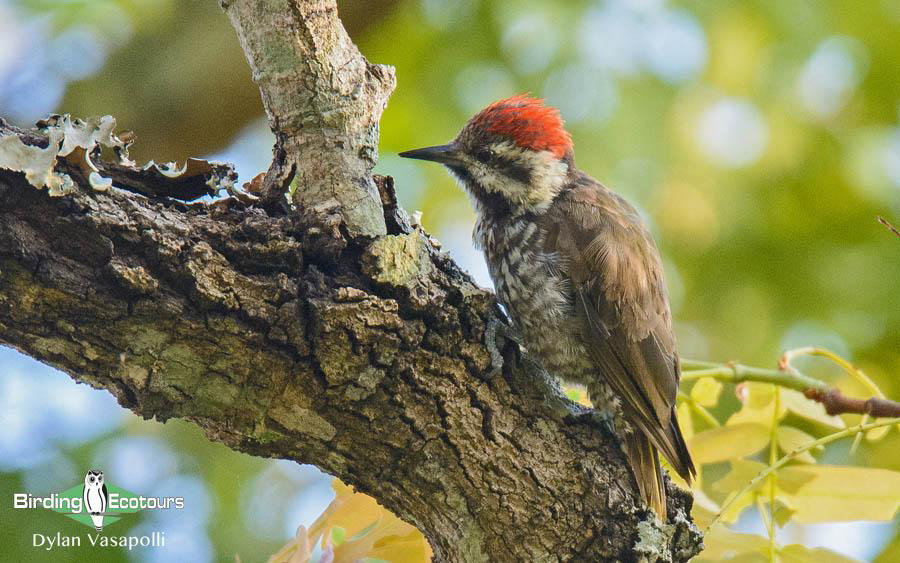 Stierling’s Woodpecker is one of our core targets at Dzalanyama.
The rocky hillsides support small numbers of Boulder Chat – another very special bird that is otherwise largely restricted to Zimbabwe. The incredible Pennant-winged Nightjar can occasionally be found in these woodlands as well – sometimes we find them at their day roosts. Rarely seen species that we’ll keep an eye out for include Shelley’s Sunbird and Olive-headed Weaver – however, we’ll need a good dose of luck to find either of these birds. Small wetlands (known as dambos) found within the woodlands are home to another major target – the difficult Lesser Seedcracker. Whilst searching for the seedcracker, we’re also likely to find other species such as Fan-tailed Grassbird, Short-winged Cisticola, Red-winged Prinia and Yellow-mantled Widowbird. Denser stands of riverine thickets and woodlands support further specials such as the beautiful White-tailed Blue Flycatcher and the tricky Grey-olive Greenbul.
Overnight: Dzalanyama Forest Reserve
Day 9. Transfer to the Viphya Plateau
We will have a final morning available to spend in the rich miombo woodlands of Dzalanyama should we need it, searching for any of the specials we may still be needing, before we venture northwards. Our destination will be the Viphya Plateau (over five hours away), which provides a convenient stop-over point to break our long drive to the north of the country. We can make a few birding stops en-route, depending on our timings, where we can occasionally see some waterbirds like Lesser Jacana, African Pygmy Goose and White-backed Duck. We anticipate arriving in the mid/late-afternoon, from where we’ll check into our comfortable lodge, before doing some birding in the nearby area. To a degree, our birding here will depend on what species we have seen, and missed, so far on the trip. Stunted miombo woodlands here host species such as Whyte’s Barbet and African Spotted Creeper, and may serve as a good backup site. The bulk of our time however, will likely be spent in the old pine forests and remnant montane forest pockets that remain – where we’ll try for the likes of Olive Woodpecker, African Broadbill, Fülleborn’s Boubou, Black-browed Mountain Greenbul and Chapin’s Apalis.
Overnight: Luwawa Forest Lodge, Viphya Plateau
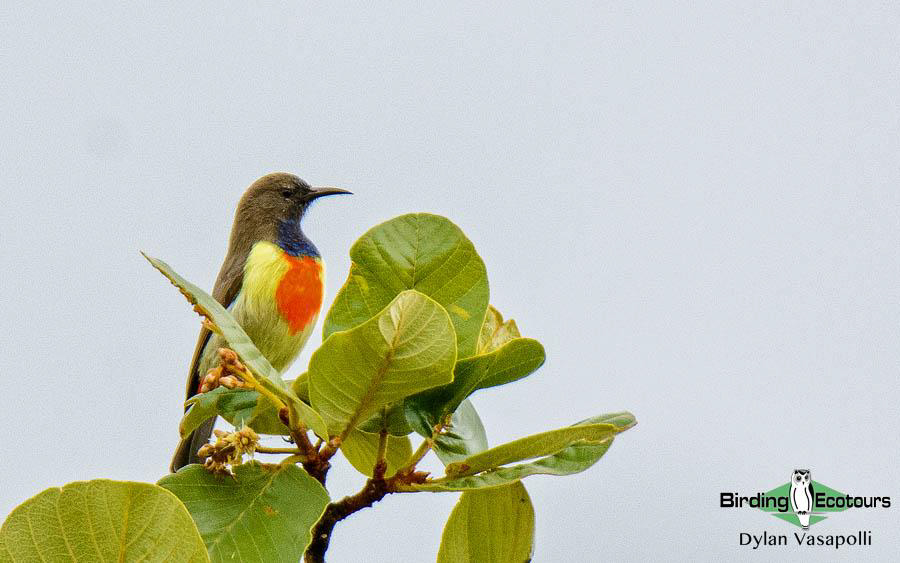 Anchieta’s Sunbird is a scarce species that we’ll be keeping a keen eye open for in the country.
Days 10 – 12. Montane excellence at Nyika National Park
We have the full morning available for us to continue birding around the Viphya Plateau. In addition to the species mentioned yesterday (Day 9), we will likely also focus some time on the wetlands, the open grassy areas and the lodge gardens. Species we’ll be trying for include the difficult-to-see Red-chested Flufftail and African Rail, along with Moustached Grass Warbler, Trilling Cisticola, Bronzy Sunbird, and Bertram’s Weaver.
Following our morning birding, we’ll transfer northwards to Nyika National Park, where we will spend the next three nights. This large reserve is one of Malawi’s premier reserves and attractions and will be one of the main highlights of the trip! We will base ourselves at the very comfortable Chelinda Lodge, which is stunningly set in the high montane grasslands atop the Nyika plateau with commanding views of the surroundings.
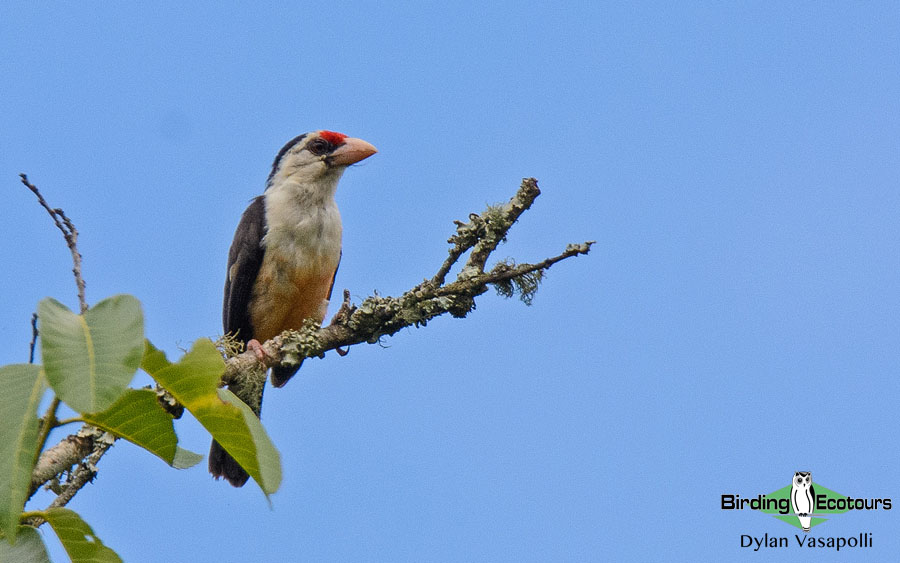
The birding in this reserve is nothing short of outstanding, and our time will be spent birding various sites in the different habitats here. The lower slopes of the Nyika plateau, such as near the entrance gate, hold some excellent and stunning miombo woodlands. Although we should have seen most of these miombo specials on the trip, Nyika can also prove to be a reliable backup for tricky species such as Yellow-bellied Hyliota and Anchieta’s Sunbird. Additionally, these woodlands are also reliable for other species we’re likely to see only here, such as Trilling Cisticola, White-winged Black Tit, Collared Flycatcher, Tree Pipit and Eastern Miombo Sunbird. Arguably our most important target here is the scarce Black-backed Barbet. As we near the top of the plateau, the habitat begins changing. The mixed open woodlands here also host Brown Parisoma, Green-headed Sunbird and Brown-headed Apalis. Eventually, we emerge onto the top of the plateau, resplendent with beautiful rolling grasslands with the odd pocket of montane forest tucked into the ravines.
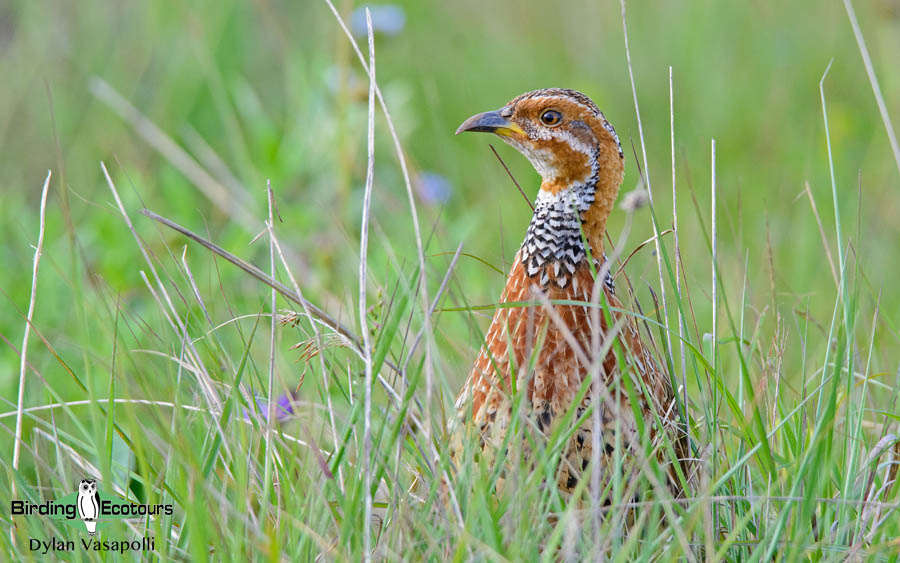
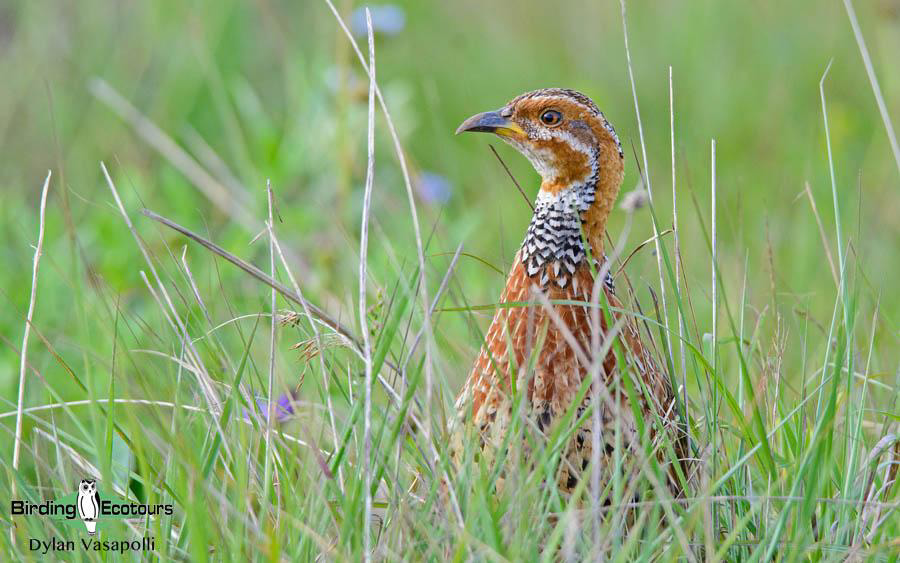 The unique and endemic subspecies of Red-winged Francolin occurring at Nyika may be a possible future split – we look for it in the scenic grasslands on the plateau.
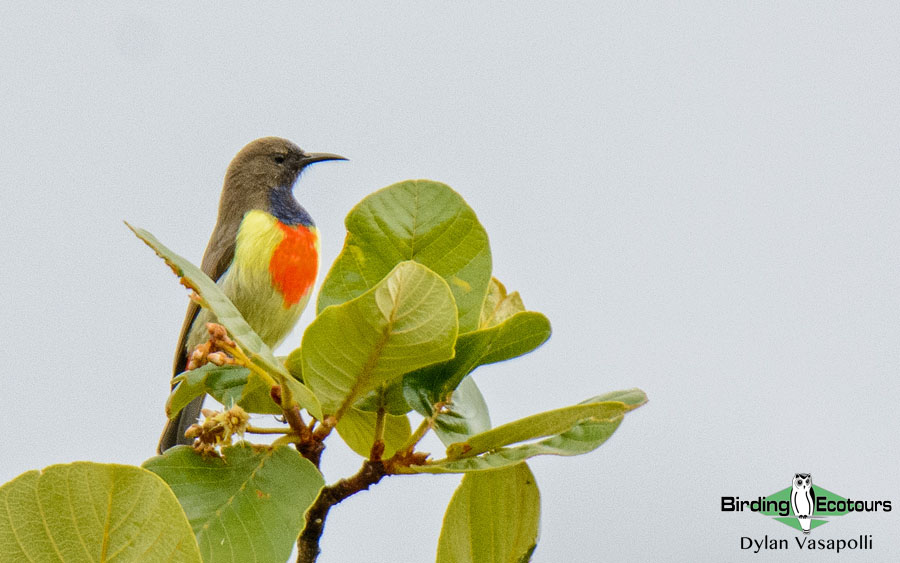
The grasslands support a number of specials that we’ll be targeting; large Denham’s Bustards are usually conspicuous, while the endemic subspecies of Red-winged Francolin play hide and seek in the grass. Localized Black-lored and Churring Cisticolas are common, as are Montane Widowbirds as they display over the grasslands. Mountain Yellow Warbler, Cinnamon Bracken Warbler, Whyte’s Double-collared Sunbird, Baglafecht Weaver, Yellow-crowned Canary and the scarce Yellow-browed Seedeater are specialists of the denser areas with rank growth, often lining the streams. All the while, good numbers of the stunning Blue Swallow flit over the grasslands, with smaller numbers of Angola Swallow. Stands of proteas support small populations of the prized Scarlet-tufted Sunbird, often alongside Malachite and Bronzy Sunbirds. We’ll search for Montane Nightjar after dark in these areas. The dams and wetlands up here typically don’t support a wide range of birds, but this can be a good area for Red-chested Flufftail. While raptors are not at their most abundant here, numbers of the elegant Pallid Harrier frequent the grasslands, and we should also keep an eye out for the likes of Rufous-breasted Sparrowhawk, Western Marsh Harrier and Augur Buzzard.
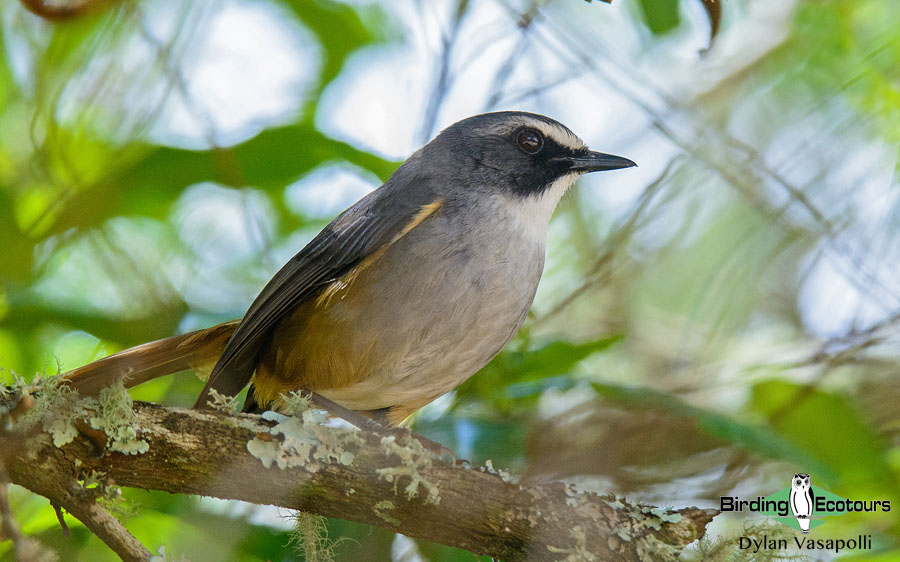
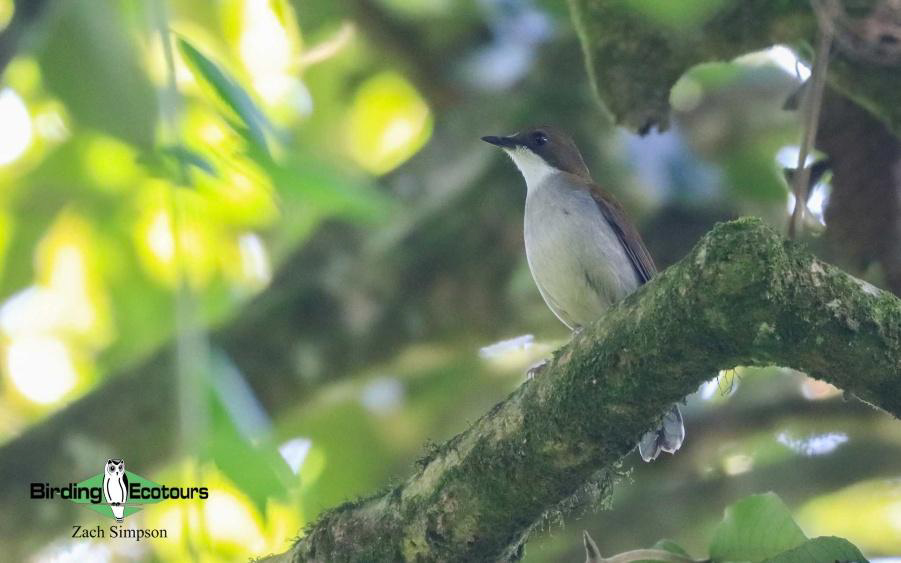
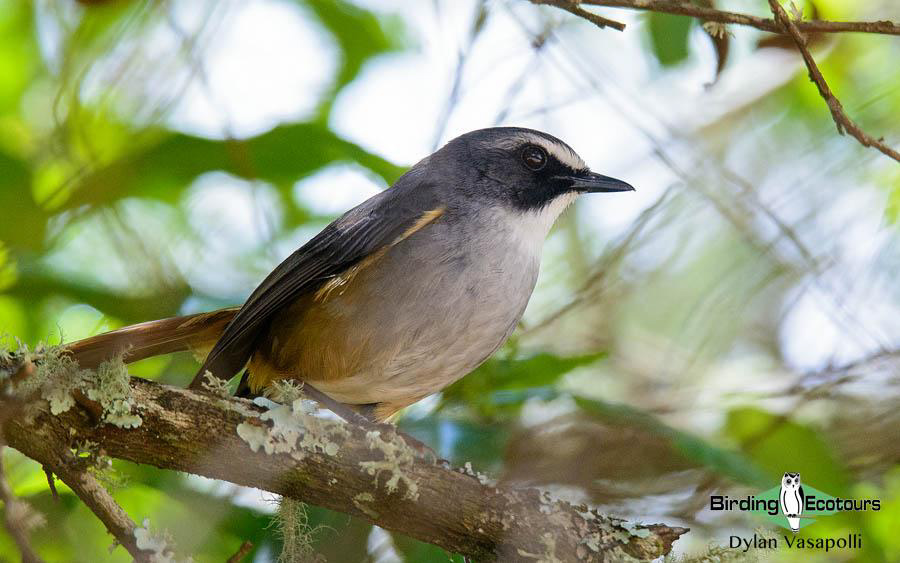 Olive-flanked Ground Robin is a skulker of the Nyika highlands.
The various forest patches on the plateau will be another focal point, as they support a number of our other targets. Some of the more frequently encountered species include Schalow’s Turaco, Moustached Tinkerbird, Fülleborn’s Boubou, Malawi Batis, Black-browed Mountain Greenbul and Waller’s Starling. In between these, we’ll be on the lookout for the prized Bar-tailed Trogon, Yellow-streaked (Sharpe’s) Greenbul, African Hill Babbler, Chapin’s Apalis, Abyssinian Thrush (here at the southern limit of its range), Slender-billed Starling and the secretive duo of White-chested Alethe and Olive-flanked Ground Robin. Seeing the localized Sharpe’s Akalat requires a dedicated trip to a specific forest patch, which we usually fit in. The forest edges can also prove to be birdy areas, and should give us additional species such as the stunning White-headed Saw-wing.
Although this is a national park, the reserve does not support a vast contingent of megafauna. We’re likely to enjoy the distinctive races of Eland and Plains Zebra found here, along with the scarce Roan Antelope in the grasslands. Leopard do occur in the grasslands as well, but we’ll need a great deal of luck to find one. African Elephant does persist in the woodlands and forests but is rarely seen.
Overnight: Chelinda Lodge, Nyika National Park
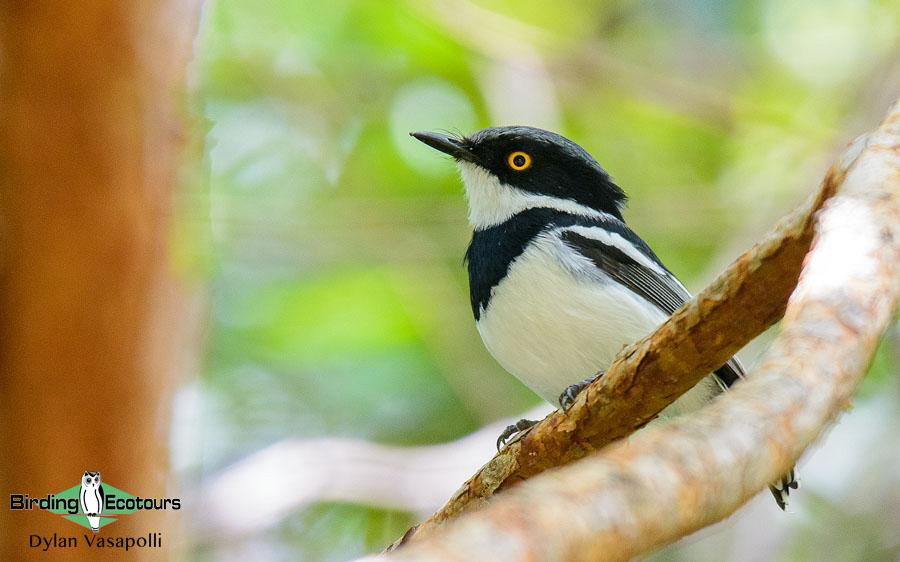 Malawi Batis, a recently recognized split, is one of several species that is essentially confined to Malawi, though not a true endemic.
Day 13. Birding the miombo woods of Vwaza Marsh
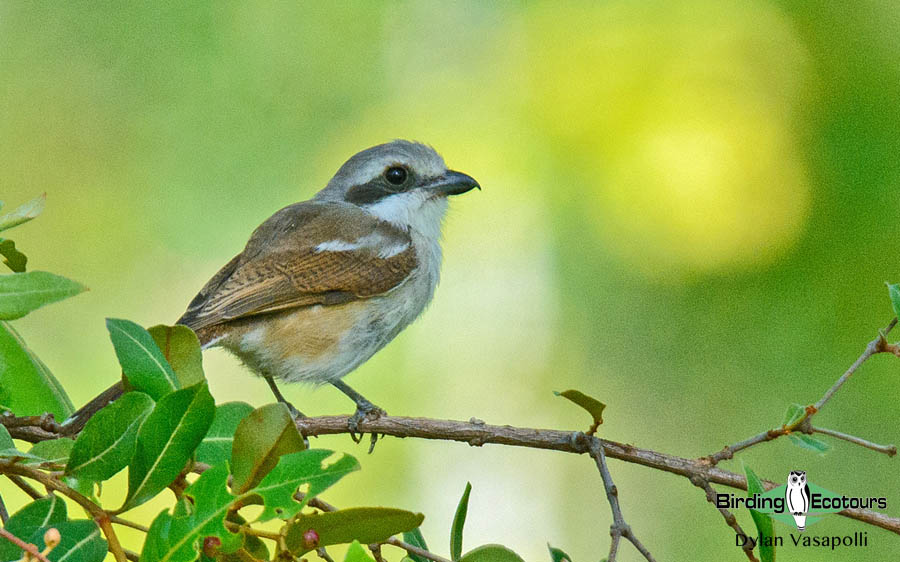
We will make the journey down off the Nyika plateau this morning and, shortly after exiting this fabulous park, we enter the rolling miombo-clad hills of the Vwaza Marsh Reserve. These woodlands play host to two important targets not possible elsewhere on the route – Babbling Starling and Chestnut-backed Sparrow-Weaver. Both of these are localized worldwide species that are difficult throughout their range, and finding them usually involves walking through the woodlands, listening for bird parties – which both birds frequently attend. Our time in these miombo woodlands will naturally produce many other species – most of which we should have seen earlier in the Dzalanyama and Nyika areas. This serves as a good backup site for many of those species. In particular, the miombo woodlands here are good for the likes of Miombo Pied Barbet, Miombo and Rufous-bellied Tits, Böhm’s Flycatcher and Miombo Rock Thrush – should we have missed any of these species. After exploring the woodlands for the better part of the day, we’ll eventually call it and transfer to Mzuzu where we’ll spend the night.
Overnight: Mzuzu
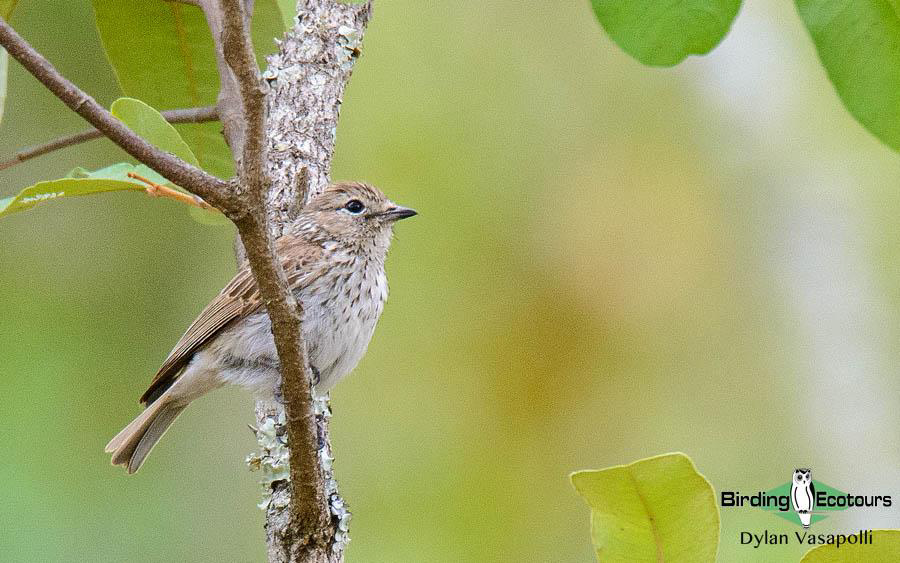 Böhm’s Flycatcher is a scarce and easily missed special of the miombo woodlands.
Day 14. Birding to Lake Malawi
We have a light driving day, and will spend the early part of the day seeking out the scarce East Coast Akalat close to the shores of nearby Lake Malawi. This is a shy robin, and can be difficult to see, but with enough time and effort we should get good views. While searching for the akalat we’ll also keep our eyes open for species like Green Malkoha, Narina Trogon, Green-backed Woodpecker, Blue-mantled Crested Flycatcher, Eastern Nicator and Red-capped Robin-Chat, amongst others. We’ll eventually continue down to Chintheche, where we’ll spend the night at our excellent lodge on the shores of Lake Malawi.
Overnight: Chintheche
Day 15. Transfer to Lilongwe
The road back to Lilongwe is a long one, and the road quality varies dramatically (though it is usually slow). This final day is largely reserved for the drive back, but we’ll keep a lookout for species such as Purple-crested Turaco, African Barred Owlet, Black-throated Wattle-eye and Purple-banded Sunbird around our birdy lodge grounds. We anticipate getting back to town in the afternoon, and can likely call in at some wetland areas just outside Lilongwe. Although they’re likely to be dry at this time of the year they should still support sought-after species such as Rosy-throated Longclaw and even Locust Finch. Fischer’s Sparrow-Lark also occasionally moves in when conditions are dry. We will have our final group dinner together, reminiscing about the exciting tour and birds we’ve come across.
Overnight: Lilongwe
Day 16. Departure from Lilongwe
Today is set aside as a departure day – and you’re welcome to leave at your leisure. There are no birding plans included for the day and the tour comes to an end after breakfast.
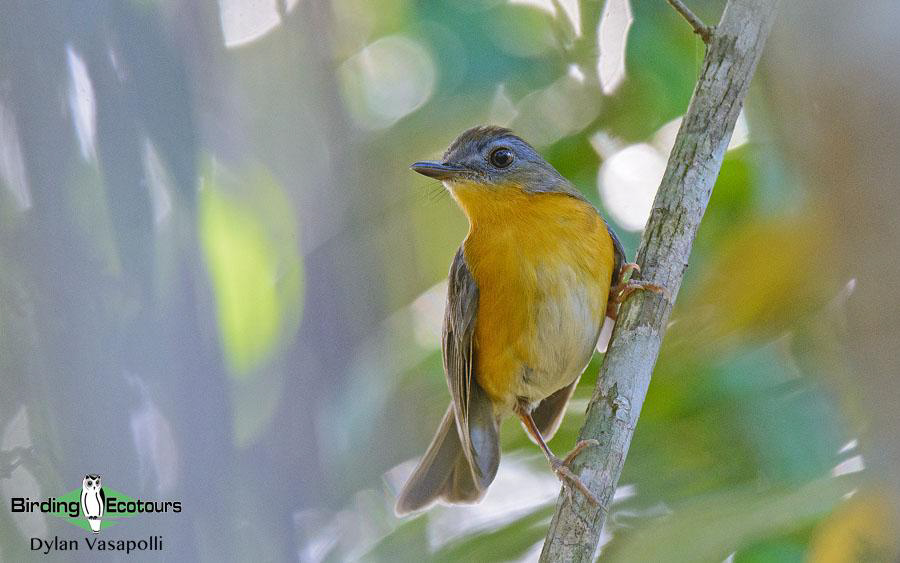 East Coast Akalat occurs in dense thickets around the edge of Lake Malawi, and will be one of our final main targets on the tour.
Please note that the itinerary cannot be guaranteed as it is only a rough guide and can be changed (usually slightly) due to factors such as availability of accommodation, updated information on the state of accommodation, roads, or birding sites, the discretion of the guides and other factors. In addition, we sometimes have to use a different international guide from the one advertised due to tour scheduling.
Map