- Duration:
- 12 days
- Group Size:
- 6–8
- Tour Start:
- Taipei, Taiwan
- Tour End:
- Taipei, Taiwan
Taiwan: Endemic Birding Extravaganza
Details
2027
02–13 May 2027
Per person sharing
TBC
Single supplement
TBC
If fewer than six participants join, a surcharge may be added to guarantee departure, depending on group size and only with everyone’s agreement.
Itinerary
Download ItineraryTaiwan: Endemic Birding Extravaganza
Taiwan is a compact island country situated 112 miles (180 kilometers) off continental East Asia, and the People’s Republic of China. It is approximately 248 miles (400 kilometers) long and 93 miles (150 kilometers) wide, with rugged and spectacular central mountains and deep valleys. Taiwan offers remarkable biodiversity in a compact and accessible setting, with excellent roads, comfortable accommodation, and delicious food. This makes it a superb destination for a short Asian birdwatching holiday, and our small-group tour is perfectly suited whether you’re embarking on your first Oriental birding adventure or returning for your tenth.
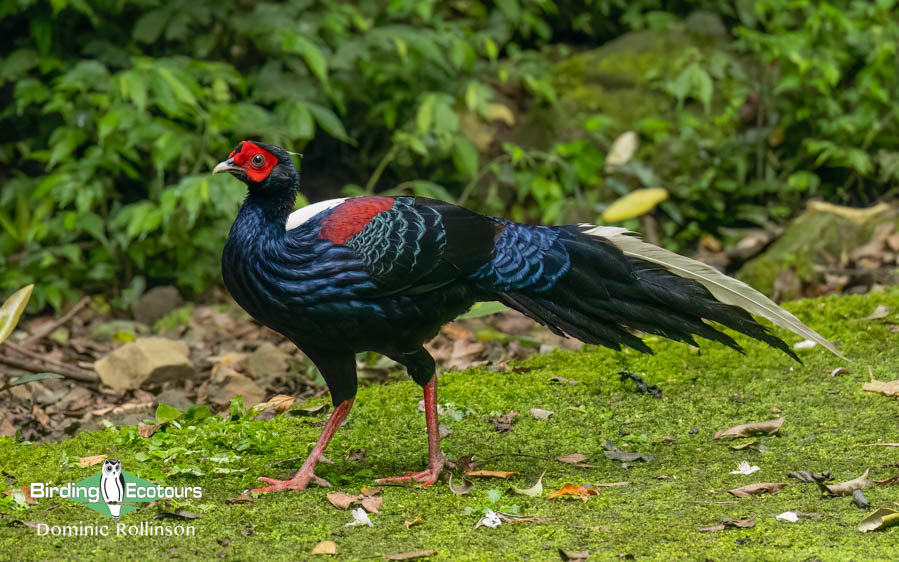 Swinhoe’s Pheasant is one of the many stunning endemic species we will search for on this trip.
Following International Ornithological Congress (IOC) version 15.2 taxonomy, the Taiwan bird list stands at over 720 bird species, this includes 32 currently recognized endemic species and numerous endemic subspecies. In addition, there are some highly sought-after breeding (e.g. Fairy Pitta), wintering (e.g. Black-faced Spoonbill), and passage (e.g. Chinese Egret) birds, as well as some birds that are easier to see in Taiwan than elsewhere in the world, such as Malayan Night Heron. Furthermore, there are plenty of widespread Asian species too, all combining to make Taiwan a top-priority destination for world birders.
We usually find just about all of Taiwan’s endemic birds on our spring tour (Taiwan Thrush often proving elusive), as well as a high percentage of all subspecies likely to get elevated to full species status in the future. Some of the endemic highlights of this great birding tour include Taiwan Partridge, Taiwan Bamboo Partridge, Swinhoe’s Pheasant, Mikado Pheasant, Taiwan Barbet, Taiwan Blue Magpie, Yellow Tit, White-whiskered Laughingthrush, Taiwan Barwing, Taiwan (Steere’s) Liocichla, White-eared Sibia, Taiwan Hwamei, Taiwan Bush Warbler, Taiwan Vivid Niltava, Taiwan Bush Robin, Collared Bush Robin, Taiwan Thrush, Flamecrest, Taiwan Yuhina, Taiwan Bullfinch, and Taiwan Rosefinch.
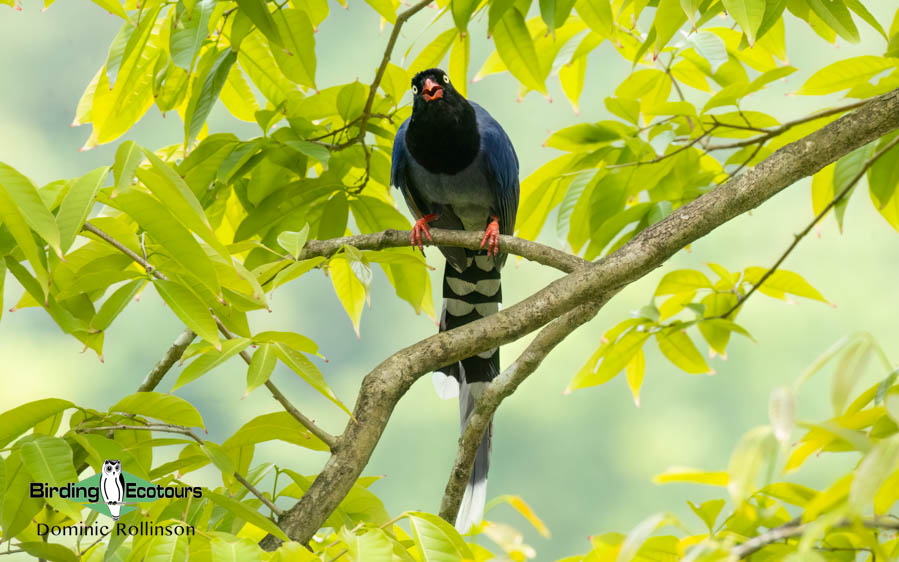 Taiwan Blue Magpie is a gorgeous bird, and we will be looking out for this colorful endemic during our Taiwan birdwatching tour.
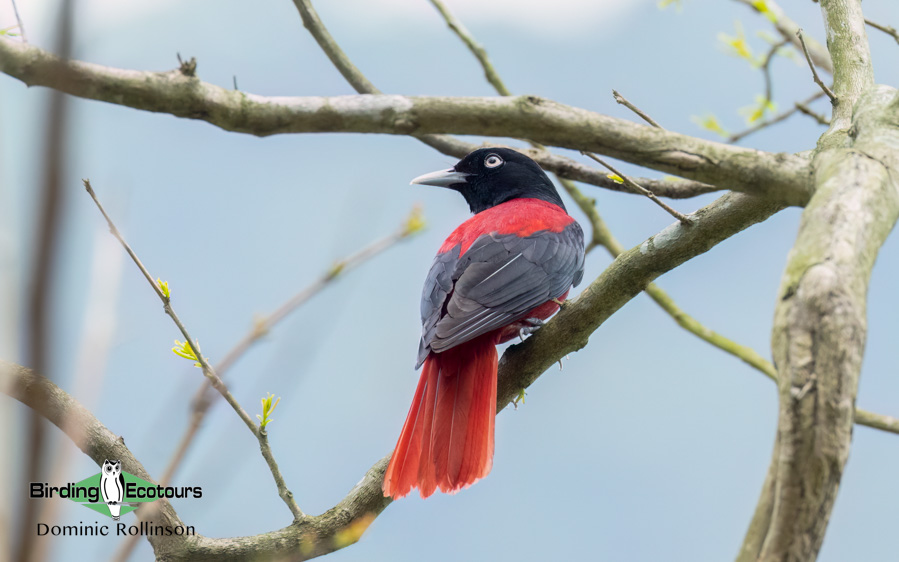
Most of the endemic birds are found in the mountains, meaning birding takes place in some absolutely gorgeous scenery with nice cool temperatures, a pleasant change from the warmer lowlands where there are also plenty of excellent birds to be found, including several more endemics, and the migratory and highly sought-after Fairy Pitta. A few of the species occurring in Taiwan with distinctive local subspecies (and potential future splits) include Ryukyu Scops Owl, Dusky Fulvetta, Golden Parrotbill, Maroon Oriole, and many more.
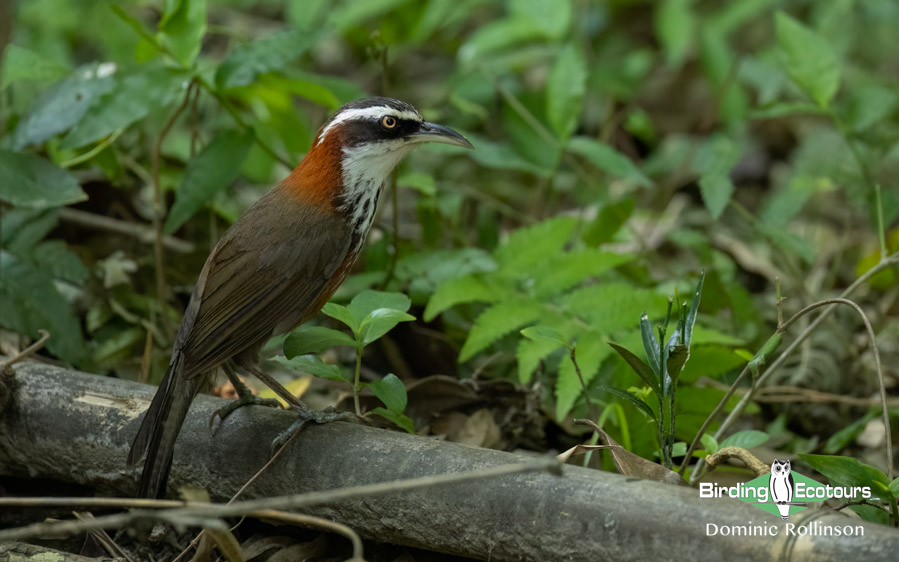 Taiwan Scimitar Babbler is an attractive endemic bird.
Due to Taiwan’s position on the East Asian-Australasian Flyway, the island offers great opportunities for connecting with numerous passage migrants from a wide range of birds, including shorebirds (waders) and numerous exciting passerines such as shrikes, warblers, and buntings as they return north after spending the winter period in Australia, Malaysia, and Indonesia.
This tour focuses on the endemics and other East Asian specials in Taiwan’s well-protected forests. Most of our time will be spent in the mountains, but we will also allow some time in the lowlands and at the coast, looking for wetland birds. Orchid (Lanyu) Island also has several interesting birds, and we will spend some time there looking for localized pigeons, owls, monarchs, and bulbuls.
The Taiwanese are renowned for their friendliness and hospitality, blending the finest elements of unspoiled traditional Chinese culture with influences from colonial Japan and the island’s native Austronesian heritage. Taiwan is free and democratic, has good infrastructure, and is considered safe, while also offering amazing birding and excellent photography opportunities.
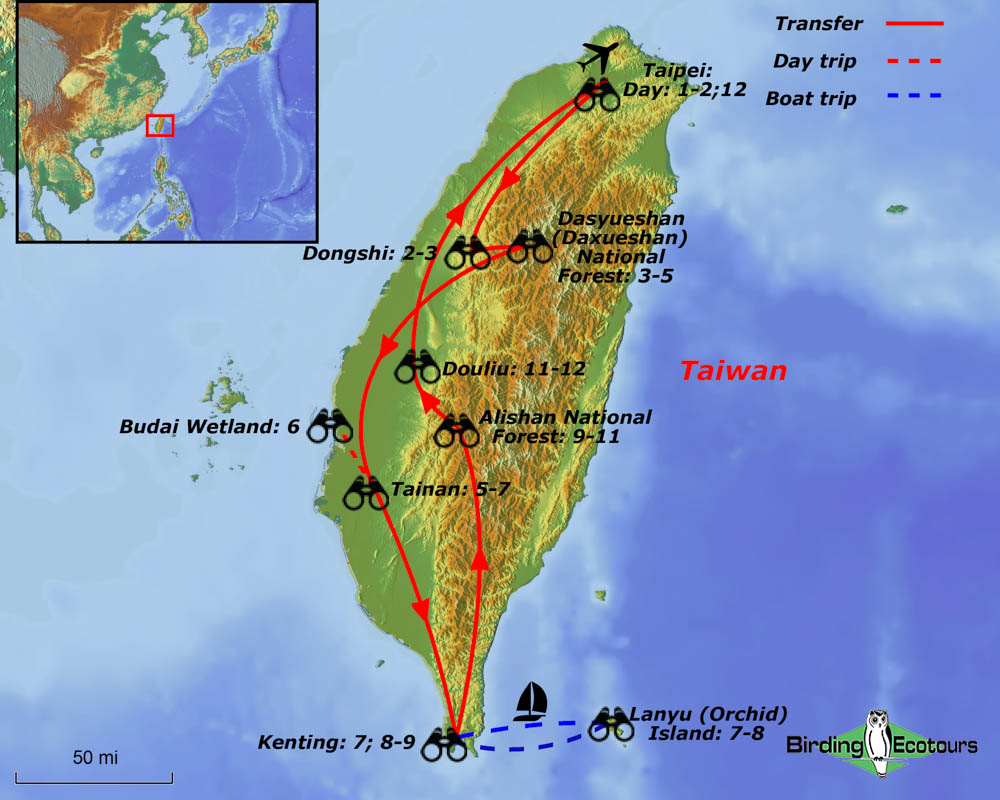
Itinerary (12 days/11 nights)
Day 1. Arrival in Taipei, Taiwan
You can either arrive in Taiwan this morning or over the previous days. After your arrival at Taiwan Taoyuan International Airport, you will be met by our representative and transferred to Taipei City. We will meet at 1 pm to head out for our first Taiwanese birding on the outskirts of Taipei (with exact sites based on recent local bird sightings). This afternoon we hope to find our first few Taiwan endemics such as Taiwan Barbet, Taiwan Blue Magpie, and the endemic subspecies of Maroon Oriole (a possible future split). We will then meet for our welcome dinner in the evening. For those with an interest, there will be the opportunity to self-explore Taiwan’s lively night markets and Taoist temple scenes after dinner.
Overnight: Taipei
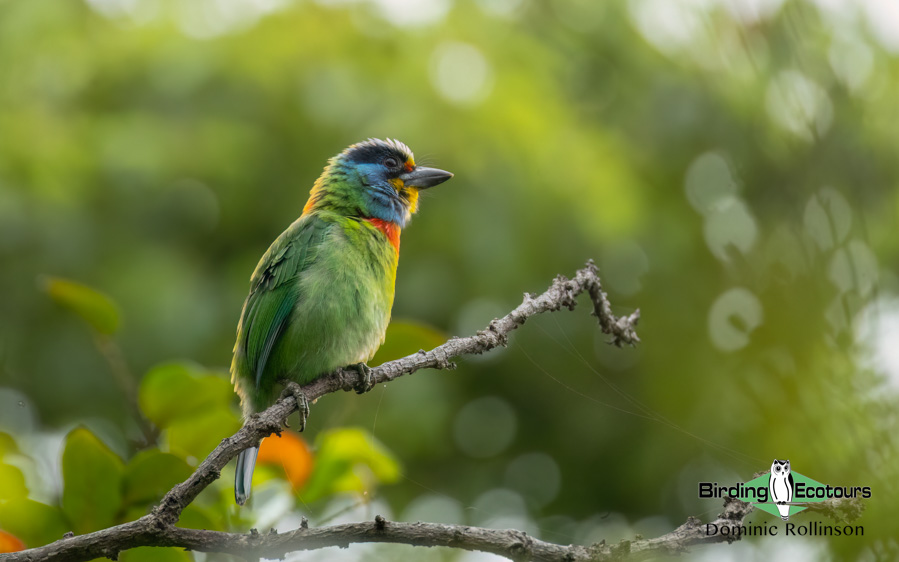 Taiwan Barbet is one of Taiwan’s most widespread endemics.
Day 2. Taipei to Dongshi District
We will again keep plans open for our morning birding around Taipei and may visit the Pinglin District to look for the scarce Taiwan Bamboo Partridge as well as other endemics such as Taiwan Scimitar Babbler and Black-necklaced Scimitar Babbler and perhaps our first looks at the impressive Swinhoe’s Pheasant.
After our morning birding, we will travel south to Dongshi District (near Taichung City), close to the famed Dasyueshan region, where we will be birding over the next few days. Along the way we will look out for Chinese Egrets, with sites such as Xiangshan Wetland or Xucuogang Wetland often proving reliable for this species during spring migration. At coastal sites we can also scan through an impressive assortment of shorebirds. We may also call in at Shimen Reservoir where we might find some other interesting species, such as Taiwan Partridge, Taiwan Bamboo Partridge, Taiwan Barbet, Taiwan Blue Magpie, Grey Treepie, and Taiwan Whistling Thrush.
Overnight: Dongshi District (near Taichung)
Days 3 – 4. Dasyueshan National Forest Recreation Area
We will spend two full days in the renowned Dasyueshan National Forest, moving through a range of elevations and habitats, from subtropical lowlands to coniferous temperate mountains at over 6,500 feet (2,000 meters). We will stay in comfortable cabins within Dasyueshan National Forest Recreation Area for two nights.
At lower elevations we may encounter Collared Finchbill, Striated Prinia, Oriental Turtle Dove, Taiwan Barbet, Grey Treepie, Eastern Red-rumped (Striated) Swallow, Taiwan Hwamei, Taiwan Scimitar Babbler, and Rufous-capped Babbler. Roadside birding usually produces great views of Grey-chinned Minivet, Brown Dipper, Plumbeous Water Redstart, Grey-cheeked Fulvetta, Malayan Night Heron, and Striated Heron.
As we get higher, we will hopefully find Bronzed Drongo, Black Bulbul, the striking Taiwan Vivid Niltava, White-bellied Erpornis, White-backed Woodpecker, Grey-headed Woodpecker, and probably Formosan Rock Macaque.
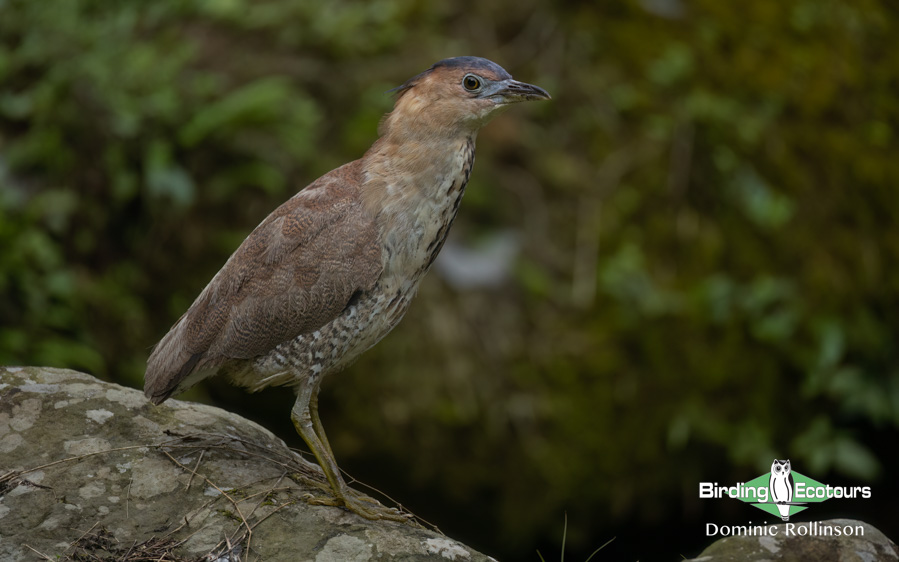 Malayan Night Herons are incredibly confiding in Taiwan, and we usually get close-up looks at this species.
The first big birding highlight is usually Swinhoe’s Pheasant which often comes into seed. We also hope Taiwan Partridge will be enticed by our seed offerings. While waiting for one to show, we should be entertained by White-tailed Robin, Taiwan (Steere’s) Liocichla, White-eared Sibia, Taiwan Yuhina, and Pallas’s Squirrel. Asian House Martin can be found nesting under bridges along the road, so we will keep our eyes peeled for these.
During our time at Dasyueshan (and Alishan) we will always be on the lookout for the rare and elusive Taiwan Thrush. This is without a doubt the toughest of Taiwan’s endemic bird species and we will require a good dose of luck to see this species.
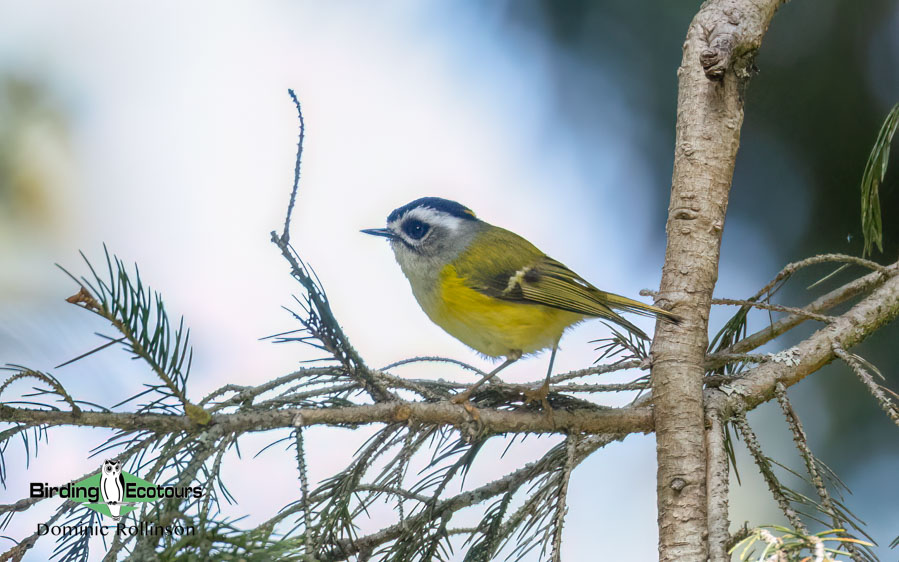
The main target in the higher altitude forests is the graceful Mikado Pheasant. While staking them out along the road, the highly confiding White-whiskered Laughingthrush and Maritime (Formosan) Striped Squirrel will likely pose for you. Nearby we will be on alert for Taiwan (formerly White-browed) Bush Robin and the smart Collared Bush Robin. As we get into hemlock and dwarf bamboo forest at the highest points, we will hopefully encounter the distinctive local version of Southern Nutcracker as well as Yellow-bellied Bush Warbler, Taiwan Bush Warbler, and the cute and highly active Flamecrest.
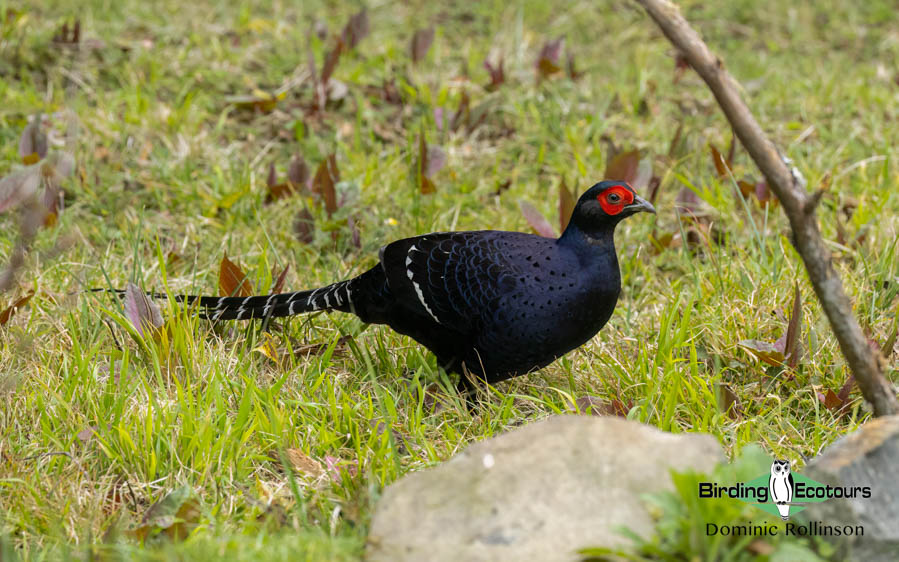 The endemic Mikado Pheasant is a highly prized target species.
Mixed flocks often include Green-backed Tit, Yellow Tit, Black-throated Bushtit, Rufous-faced Warbler, Collared Owlet, Fire-breasted Flowerpecker with scarcer species like Eurasian Nuthatch and Eurasian Wren occasionally joining. The views along the Dasyueshan Road are breathtaking; in the distance we will have views of Taiwan’s highest peak, Yushan, which rises to just under 13,000 feet (4,000 meters).
The excellent Trochodendron and pine forest of the higher sections of the road are the best areas for Rusty and Rufous-crowned Laughingthrushes, Brown Bullfinch, the local subspecies of Eurasian Jay, and the scarce Ashy Wood Pigeon, while a local waterfall is home to the gorgeous Little Forktail.
 Rusty Laughingthrush is one of a few laughingthrush species we might see on this tour.
Having two full days in Dasyueshan will ensure we have time to concentrate on scarcer species which often require extra work to find, such as the secretive Taiwan Partridge and the tiny Taiwan Cupwing. Other species we will be keeping our eyes peeled for here include Mountain Hawk-Eagle, White-bellied Green Pigeon, Large Hawk-Cuckoo, Taiwan Barwing, Taiwan Rosefinch, Taiwan Fulvetta, and Taiwan Bullfinch.
After dinner we can take a walk around the lodge grounds looking for Collared Scops Owl and Mountain Scops Owl, while we will need some luck to find the rare endemic subspecies of Himalayan Owl. The lodge grounds are particularly reliable for the large and charismatic Taiwan (Red-and-white) Giant Flying Squirrel, Formosan Serow, and Reeves’ Muntjac may also be encountered.
Overnight: Anmashan Lodge (or similar), Dasyueshan
Day 5. Dasyueshan to Tainan
We will have a final morning wrapping up the birding in Dasyueshan, potentially finding one or two new birds or gaining better views of birds already seen over the previous two days. In the late morning we will drive down to the lowlands where we will likely enjoy an assortment of water-associated species north of Tainan, such as Whiskered and Little Terns, Pacific Swallow, Eastern Yellow Wagtail, along with good numbers of shorebirds. We will leave the schedule flexible for this afternoon, to perhaps make a diversion or two for special species such as Oriental Stork, which have recently nested in the lowlands of western Taiwan.
Overnight: Tainan City
Day 6. Lowland and coastal birding
Today, we will likely make an early start to bird patches of lowland forest for the colorful and charismatic Fairy Pitta which breed in low numbers in Taiwan. This species often requires some patience and while waiting for it we will also look for the likes of Taiwan Bamboo Partridge, Asian Emerald Dove, Black-naped Monarch, and the introduced White-rumped Shama.
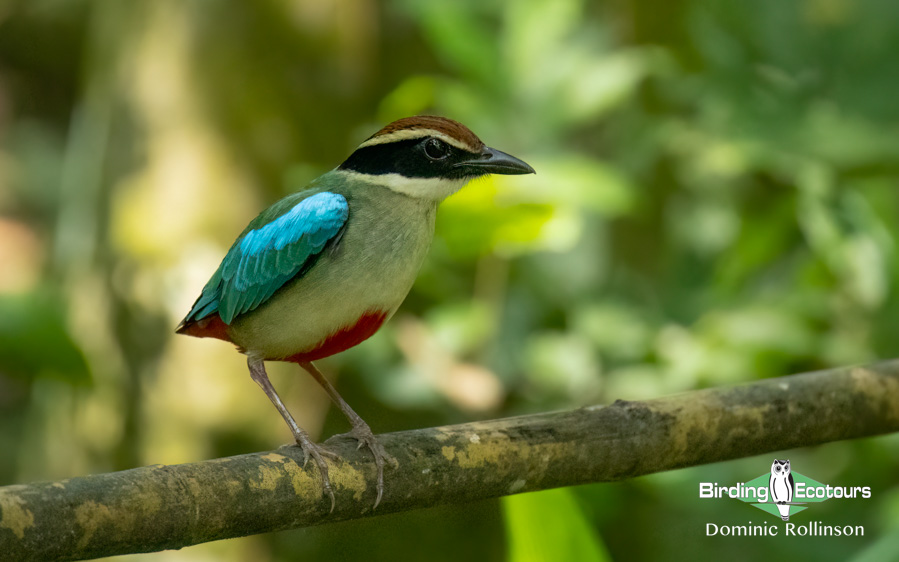 Fairy Pittas breed near Huben in Taiwan, which is probably one of the most reliable places to see this gorgeous species in the world.
We will then head back towards the coast and bird in areas such as Aogu and Budai wetlands. Our targets will be any lingering Black-faced Spoonbill and passage delights such as Great Knot and Sharp-tailed Sandpiper. Black-faced Spoonbill is listed as Endangered by BirdLife International and Taiwan, along with Japan, is one of the best places to see this bird during the non-breeding season. Birds usually persist at a few sites in Taiwan into April and May, and we will be looking out for them today.
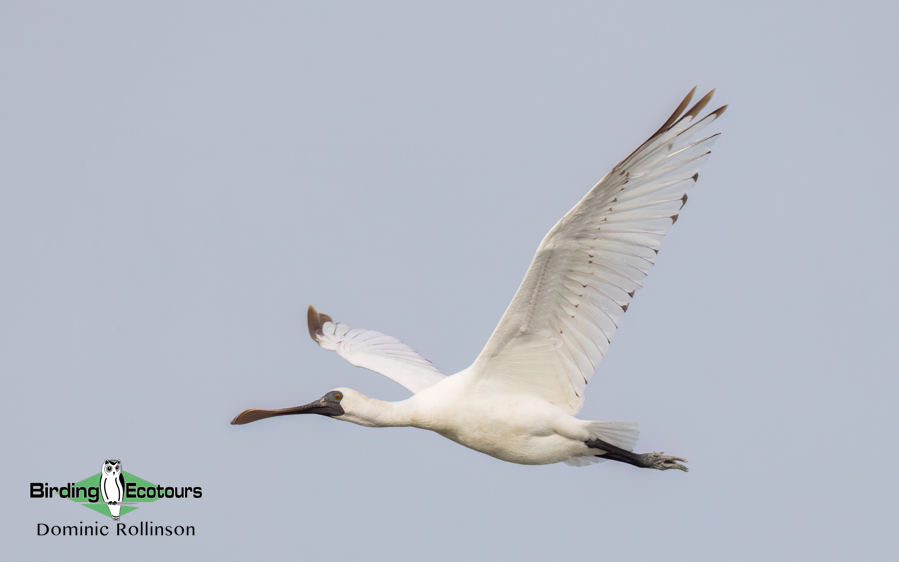 We will hope for a lingering Black-faced Spoonbill or two during our time in the Aogu wetlands of western Taiwan.
These huge wetland areas hold hundreds of bird species, and this is sure to be an exciting day with a large number of species possible. We will also target Oriental Pratincole, Roseate Tern, Medium Egret, Greater Sand Plover, Terek Sandpiper, Marsh Sandpiper, and Broad-billed Sandpiper.
Local fields and ditches attract Pacific Golden Plover, Greater Painted-snipe, Pheasant-tailed Jacana, White-breasted Waterhen, Ruddy-breasted Crake, Yellow Bittern, Cinnamon Bittern, Far Eastern Curlew, Red-necked Stint, and Long-toed Stint. Osprey, Black-winged Kite, or Eastern Marsh Harrier may also make a showing. Other familiar shorebirds (waders), terns, and ducks are likely.
Scrubby embankments can hold Zitting Cisticola, Golden-headed Cisticola, Vinous-throated Parrotbill, and various starlings, so there are plenty of quality birds to keep us occupied throughout the day.
Overnight: Tainan City
Day 7. Lanyu (Orchid) Island
We will spend the morning traveling south to Kenting, with occasional birding stops. We will depart Kenting on the midday boat to Lanyu (Orchid) Island. On the ferry between Kenting and Lanyu (and back) we will look for Bulwer’s Petrel, Streaked Shearwater, Wedge-tailed Shearwater, Black-naped Tern, and Little Tern, as well as for dolphins and flying fish. We will then spend the rest of the afternoon, and the following morning, birding on Lanyu Island.
With an indigenous culture that is closer to that of the Philippines, Lanyu is a nice contrast to mainland Taiwan. Taiwan Green Pigeon, Philippine Cuckoo-Dove, Brown-eared Bulbul, Black (Japanese) Paradise Flycatcher, the endemic subspecies of Ryukyu (Lanyu/Elegant) Scops Owl, and Lowland White-eye are the main targets here and can be expected, as well as other passage passerines, possibly including raptors, shrikes, warblers, and buntings. It is a fun, small island to explore and gives the opportunity to find some interesting species.
Overnight: Lanyu Island
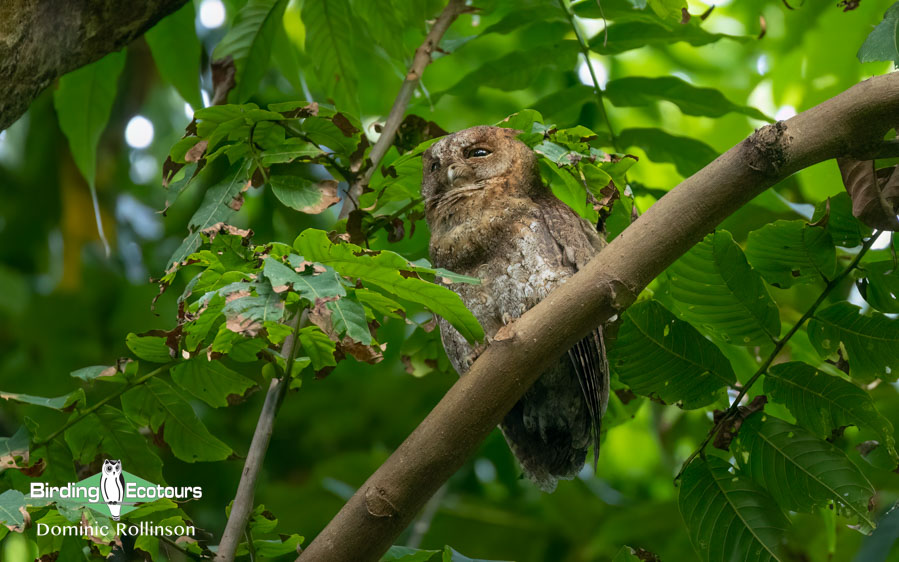 The endemic subspecies of Ryukyu Scops Owl can only be found on Lanyu Island and might warrant full species status as Lanyu Scops Owl in the future.
Day 8. Lanyu Island birding and ferry to Kenting
We will have the morning and early afternoon on Lanyu Island to find any of our missing targets or try to find any migrants on passage (perhaps large accumulations of migrating Chinese Sparrowhawks, with a few Japanese Sparrowhawks and Grey-faced Buzzards dotted in too) and then we will catch the mid-afternoon ferry back to Kenting where we will spend the night.
Overnight: Kenting
Day 9. Kenting to Alishan National Scenic Area
The early morning will likely be spent birding open areas and wetlands in the Kenting area. One of our major targets in the area will be Styan’s Bulbul which is surprisingly numerous in the south of the island. Other species to look out for include Taiwan Hwamei, Oriental Skylark, Scaly-breasted Munia, Zitting Cisticola, and perhaps even Taiwan Bamboo Partridge. Many migrating birds make landfall here and when conditions are right, we might find migrants such as Chinese Sparrowhawk, Oriental Cuckoo, Brown Shrike, Grey-streaked Flycatcher, and Richard’s Pipit.
Depending on our remaining targets, we will likely bird wetlands or parks en route to the Alishan area where we are based for the next two nights. The tea plantations around the small village that we stay in often host a few interesting lowland species such as Collared Finchbill, Striped Prinia, Grey Wagtail, and Eastern Red-rumped Swallow, with migrants like Arctic Warbler, Olive-backed Pipit, and Siberian Rubythroat occasionally seen too. At night, we can also look for the elusive Mountain Scops Owl which regularly haunts us with its ventriloquistic call, while Savanna Nightjars are more easily found.
Overnight: Zhuqi Township (near Alishan National Scenic Area)
Day 10. Alishan National Scenic Area and Yushan National Park
Today we will have the entire day to bird the spectacular Alishan National Scenic Area as well as the neighboring Yushan National Park where, in the mountains, we will look for the last of the remaining Taiwanese endemics. Some of our most important targets as we make our way into the park will include Taiwan Cupwing, Taiwan Shortwing, Taiwan Barwing, Taiwan Bush Robin, Collared Bush Robin, Taiwan Bush Warbler, and Brown-flanked Bush Warbler. In the higher areas we will keep a lookout for Southern Nutcracker, Taiwan Rosefinch, Taiwan Bullfinch, and Golden Parrotbill.
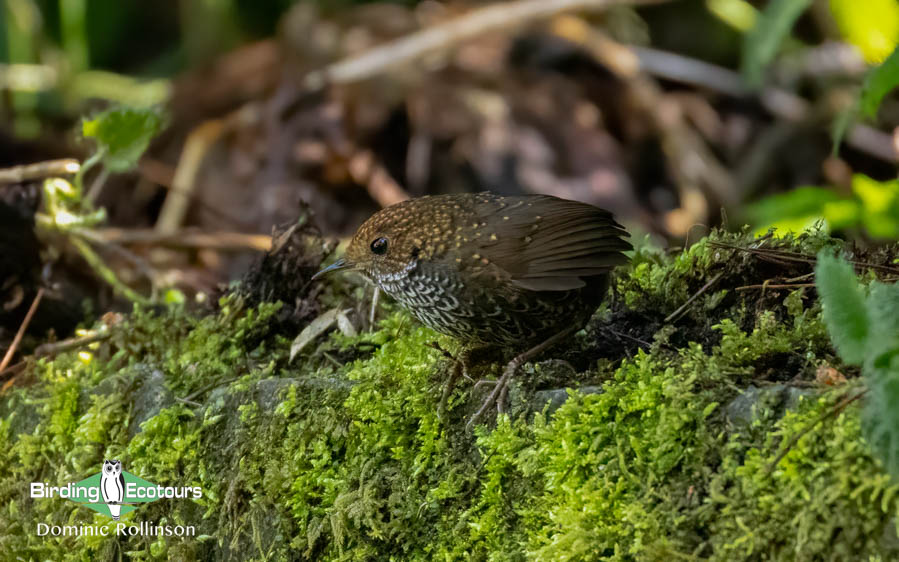 Taiwan Cupwing is normally extremely skulking but occasionally they show as well as this bird!
We will keep a lookout for raptors such as Crested Honey Buzzard, Crested Goshawk, Japanese Sparrowhawk, Black Eagle, and Mountain Hawk-Eagle. Summer visitors to this area include Large Hawk-Cuckoo and Oriental Cuckoo, and we will listen out for their far-carrying calls.
In the secondary forest we can look for Rusty Laughingthrush, Dusky Fulvetta, Taiwan Bamboo Partridge, Common Emerald Dove, Taiwan Green Pigeon, and Black-necklaced Scimitar Babbler.
As always, we will be mindful of the rare Taiwan Thrush while birding around Alishan for the day and will keep trying for this species in suitable habitat.
Overnight: Zhuqi Township (near Alishan National Scenic Area)
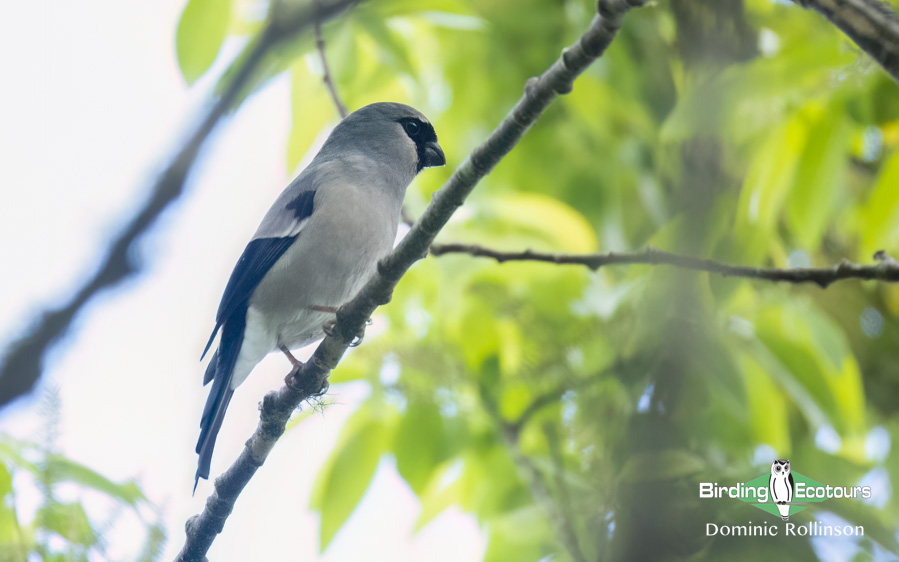 Taiwan Bullfinch is one of our many endemic targets around Alishan.
Day 11. Alishan/Yushan to Douliu
We will have a final morning birding in the higher elevations around the Alishan and Yushan, maybe having a final look at the delightful Swinhoe’s Pheasant or Mikado Pheasant, both likely to feature prominently among the tour highlights.
After our birding in the mountains, we will descend back to the lowlands where in the late afternoon we may have another look for Fairy Pitta (if still needed), or perhaps look for any other outstanding targets along the way, such as Golden-headed Cisticola, Yellow-bellied Prinia, Vinous-throated Parrotbill, or the attractive Chestnut Munia.
Overnight: Douliu
Day 12. Huben to Taipei and international departure
We keep this day’s birding plans open, so we can target whatever species might still be missing from our list. We might spend more time looking for Fairy Pitta, or perhaps bird the forests of Xitou Nature Education Area in the hopes of finding the rare Taiwan Thrush.
After our morning’s birding, we will grab lunch en route to Taipei, perhaps making a final stop at a coastal site such as Xucuogang Wetland before heading to nearby Taiwan Taoyuan International Airport where the tour will conclude.
We will spend a full day out birding today, slowly making our way back to the airport, so we ask that you only book flights departing from 8 pm (we will get to the airport by 5 pm).
Overnight: Not included
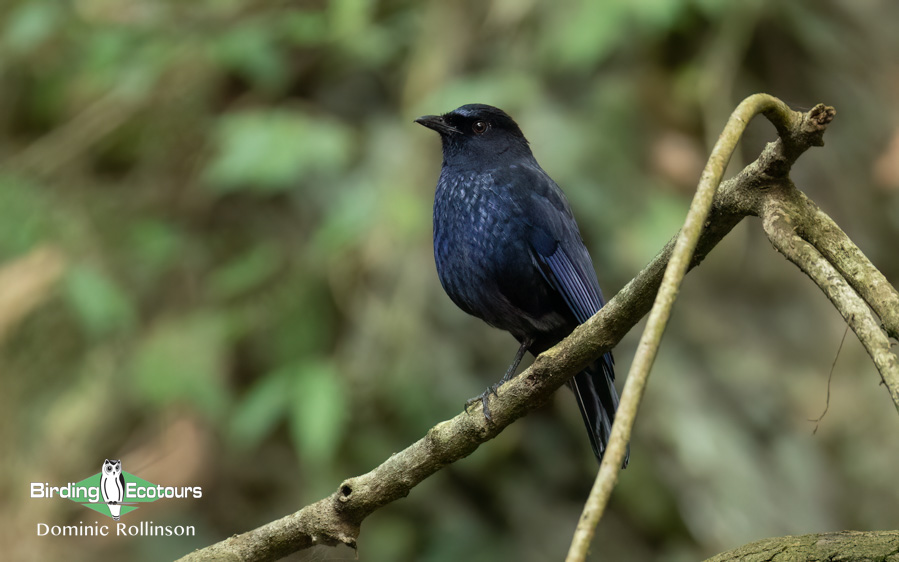 Taiwan Whistling Thrush is rather widespread in evergreen forests across Taiwan.
Please note that the itinerary cannot be guaranteed as it is only a rough guide and can be changed (usually slightly) due to factors such as availability of accommodation, updated information on the state of accommodation, roads, or birding sites, the discretion of the guides, and other factors. In addition, we sometimes have to use a different guide from the one advertised due to tour scheduling or other factors.
Map
Testimonials
Gallery
General Information
Download General InformationTAIWAN BIRDING TOUR: ENDEMIC BIRDING EXTRAVAGANZA
TOUR-SPECIFIC INFORMATION
TOUR OUTLINE
This 12-day Taiwan birding tour focuses on the island’s remarkable endemic birds, endemic subspecies, and East Asian specials. Taiwan supports 32 endemic bird species as well as numerous distinctive endemic subspecies and migrant birds moving along the East Asian-Australasian Flyway.
Our tour begins in Taipei before heading into the famous mountain birding areas of Dasyueshan, Alishan, and Yushan National Park. We will also spend time birding coastal wetlands, productive agricultural lowlands, and the fascinating Lanyu Island. Along the way we will search for Taiwan’s endemic pheasants, laughingthrushes, robins, yuhinas, rosefinches, and many other specials.
If you arrive early in Taiwan (we recommend arriving at least a day before the tour starts) you may like to enjoy the city’s many opportunities for sightseeing, with visitors able to enjoy temples, monuments, historic streets, museums, and night markets. Additionally, there are several excellent birding sites nearby to where we usually base ourselves in Taipei (New Taipei City) such as the Taipei Botanical Garden, Da’an Forest Park, and Huajiang Wild Duck Nature Park.
Taipei is very easy for foreign visitors to navigate, thanks to its safe, efficient, and user-friendly metro system, which has clear English signage and provides a convenient way to reach many of the city’s main sights, restaurants, and shopping areas. Alternatively, e-hail taxis, such as Uber, work very easily (and quickly) throughout the city.
PACE OF TOUR
This is a moderately active birding tour, with most of the days involving rather long days out in the field, normally leaving our hotel around sunrise and only returning late in the afternoon.
The tour focuses heavily on finding Taiwan’s endemic species, and therefore some days involve concentrated birding effort in specific locations. We also retain flexibility within the itinerary to maximize birding opportunities based on weather conditions and recent bird activity.
Optional night birding excursions will be offered where appropriate, particularly in the mountain forests where owls and nocturnal mammals may be encountered. Participation is entirely optional. The guide will discuss the following day’s plans each evening.
WALKING AND STYLE OF BIRDING
This tour is generally considered easy to moderate in terms of physical exertion. Most birding is conducted from roadsides, forest tracks, scenic viewpoints, and short walking trails. Many of Taiwan’s premier birding sites are accessible by vehicle, allowing us to cover a wide range of elevations and habitats efficiently.
Typical walks are between 0.5 and 1 mile (0.8–1.6 kilometers) and usually last less than two hours at a time. It is worth noting that some of these walks will be at high elevations such as in Dasyueshan National Forest, above 6,500 feet (2,000 meters), and some short forest walks around Alishan and Yushan National Park.
Most trails are well maintained, though some may be uneven, damp, or slippery following rain. Participants should be comfortable walking on forest paths and mountain roads.
Walking sticks or hiking poles are recommended for added stability and are required for participants who are unsteady on their feet.
MEALS
Taiwan offers an excellent and varied cuisine, blending Chinese, indigenous, Japanese, and local influences. Meals range from simple noodle and rice dishes to excellent seafood, dumplings, soups, and a variety of snacks sold in markets and convenience stores.
Convenience stores such as 7-Eleven and FamilyMart are ubiquitous in Taiwan and are an important part of daily life. They are useful for buying snacks, drinks, simple meals, coffee, toiletries, and other travel essentials, and can also be handy for cash withdrawals and basic services.
Breakfasts are mostly quite simple and are bought from convenience stores and then eaten out in the field or in the bus on our way to birding sites. Lunches vary between restaurant meals and convenience store meals depending on the day’s itinerary and birding opportunities. Dinners are only occasionally eaten at our hotels, with most dinners eaten at restaurants nearby to our hotels.
LENGTH OF DRIVES
One of Taiwan’s advantages as a birding destination is the relatively short distances between major birding sites, however, we will generally be out birding for the full day on most days of this tour.
Most transfers last two to four hours, usually broken up by birding stops.
SAFETY (INCLUDING ALTITUDE AND SEASICKNESS)
Taiwan is widely regarded as one of the safest countries in Asia and has excellent infrastructure, healthcare, and transportation systems. While normal travel precautions should always be exercised, participants generally find Taiwan to be a very comfortable and secure destination.
Altitude sickness is generally not considered to be a serious consideration on this tour as we only reach maximum altitudes of around 8,900 feet (~2,700 meters) in Dasyueshan and around 8,200 feet (~2,500 meters) in Alishan.
We will take a short (~two-hour) ferry crossing from Kenting to Lanyu Island and back again. The ferry is large and comfortable, however, if you are prone to seasickness, please ensure you organize anti-seasickness tablets before the start of the tour.
HEALTH, PESTS AND DANGEROUS ANIMALS
Taiwan has excellent medical facilities and a high standard of public health.
Mosquitoes can occur in lowland and wetland areas, particularly during warmer weather. Participants are advised to bring insect repellent and lightweight long-sleeved clothing. Malaria is not considered a risk in Taiwan, and antimalarial medication is therefore not required.
Ticks are occasionally encountered in grassy habitats and forest edges, such as on Lanyu Island, where chiggers can cause scrub typhus, an illness which is usually easily treated with a dose of doxycycline. Wearing long trousers and conducting routine tick checks is recommended.
Venomous snakes occur in Taiwan, though encounters are uncommon and bites are extremely rare among birding groups. Participants should remain on established trails and follow guide instructions.
There are no particularly dangerous large mammals encountered on this tour.
TRANSPORTATION
Taiwan’s road network is excellent and allows efficient access to birding sites throughout the island. Transportation will typically be provided by a large comfortable bus, appropriate to the final group size. Due to limited visibility from the bus (for birding purposes) we will ensure we disembark from the bus whenever there is a noteworthy sighting to enjoy. A seat-rotation policy will be used during the tour to ensure fairness for all participants.
While on Lanyu Island, bus rental is unavailable and so we will likely split the group into two vans during our short visit to the island.
Airport transfers on the official arrival and departure days are included in the tour price.
We will take a large comfortable ferry for the roughly two-hour crossing from Kenting to Lanyu Island (and back again). During this crossing, you can either stand outside to enjoy the seabirding or take a seat in the comfortable, air-conditioned interior. If the sea conditions are unsafe, access to the ship’s outside areas may be limited or banned entirely.
DOMESTIC FLIGHTS
There are no domestic flights included in this birding tour.
ACCOMMODATION
Accommodation throughout the tour is of a good to excellent standard.
We use a mixture of comfortable city hotels, mountain lodges, and locally owned accommodations that provide convenient access to the best birding locations.
Notable accommodation types include:
- Modern hotels in Taipei, Tainan and Douliu.
- Mountain lodges in the Dasyueshan region.
- Comfortable and clean homestyle accommodations in Kenting, Alishan, and Lanyu Island.
Laundry services and opportunities for doing laundry are rather limited on this tour, though are available at some accommodations. Laundry turnaround times can differ between locations, and would generally only be possible during multi-night stays.
ELECTRICITY
Taiwan uses 110-volt electricity with Type A and Type B outlets (the same as those commonly used in North America). Participants traveling from countries using different plug types should bring suitable adapters. Charging facilities are readily available throughout the tour.
A flashlight or headlamp is recommended for night birding excursions and for moving around accommodation grounds after dark.
WEATHER
This tour takes place during late spring, generally considered one of the best periods for birding in Taiwan.
Weather conditions can vary substantially depending on elevation. In the lowlands and coastal areas, temperatures are often warm and humid, typically ranging between 70–90°F (21–32°C). Mountain areas such as Dasyueshan and Alishan can be considerably cooler, especially during early mornings and evenings. Temperatures may drop below 45°F (7°C) at higher elevations.
Rain is possible at any time, particularly in mountain forests where mist and cloud cover are common.
Participants should therefore be prepared for:
- Warm, humid lowland conditions.
- Cool mountain mornings and evenings.
- Periodic rain showers.
- Occasional fog and mist in forested areas.
Layered clothing and waterproof outerwear are strongly recommended.
WHAT TO BRING: CLOTHING AND OTHER ITEMS
Please also refer to our blog article “What to Bring on a Birding Tour” when preparing for this Taiwan birding adventure.
For our short Lanyu Island trip, we ask that you pack a small overnight bag, which can easily be carried onto the ferry, rather than carrying your large heavy travel bag. Your large travel bags will be safely stored on the mainland during our Lanyu Island trip.
If you particularly enjoy using a telescope, you may consider bringing your own telescope, however, please note that your Birding Ecotours leader will have a telescope for group use.
BOOKS
A Field Guide to the Birds of Taiwan – Mu-Chi Hsiao (2018), Wild Bird Society of Taipei.
Birds of East Asia – Mark Brazil (2009), Helm Field Guides, Helm.