- Duration:
- 11 days
- Group Size:
- 4-5
- Tour Start:
- Heathrow Airport, London, England
- Tour End:
- Edinburgh Airport, Edinburgh, Scotland
United Kingdom Birding Tour: England in Spring
Details
2027
17–27 May
Per person sharing
£5,260 GBP
$7,307 USD / €6,538 EUR
Single supplement
£840 GBP
$1,167 USD / €1,044 EUR
This trip is full, we recommend booking early for 2028
2028
17-27 May
Per person sharing
£5,575 GBP
$7,745 USD / €6,930 EUR
Single supplement
£890 GBP
$1,237 USD / €1,107 EUR
Itinerary
Download ItineraryUnited Kingdom Birding Tour: England in Spring
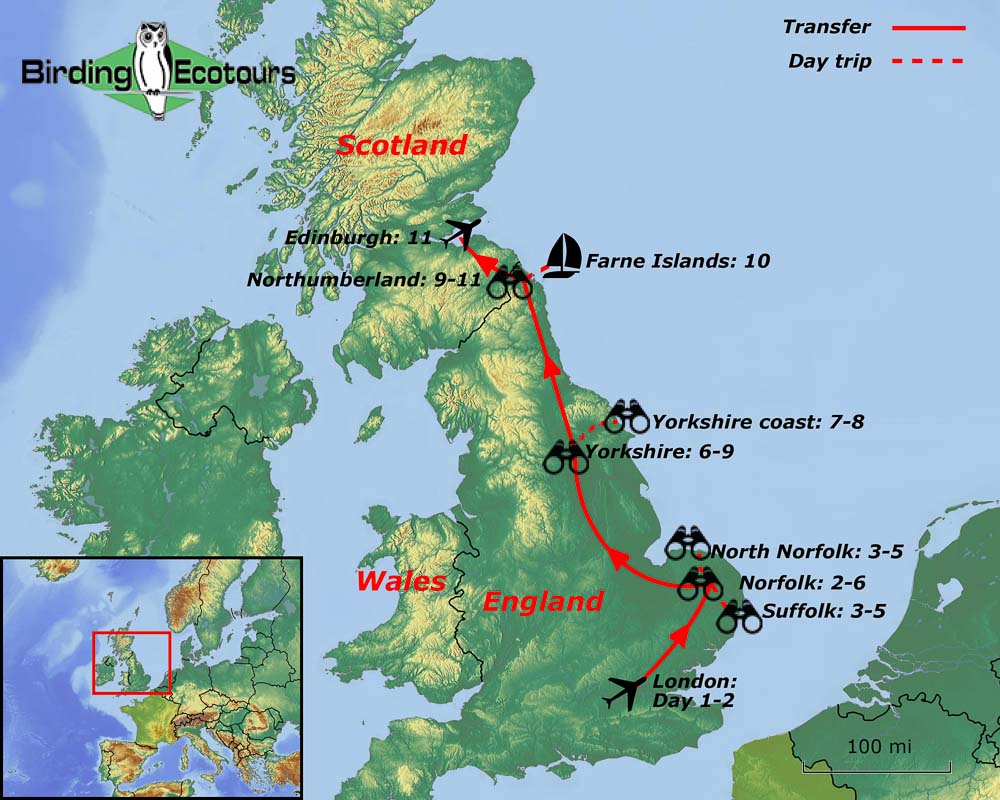
This small-group birding tour of eastern England starts in the south in the capital London, then travels north via some of the best birdwatching areas of the UK, such as Norfolk and North Yorkshire, until we get to beautiful Northumberland just south of the Scottish border. From here, it is a short journey to Edinburgh in southern Scotland, from where you can either join our Scottish birding tour or fly home. Spring is the best time to look for European breeding birds in England, and our tour is timed during the peak of the spring migration and when breeding will be well underway.
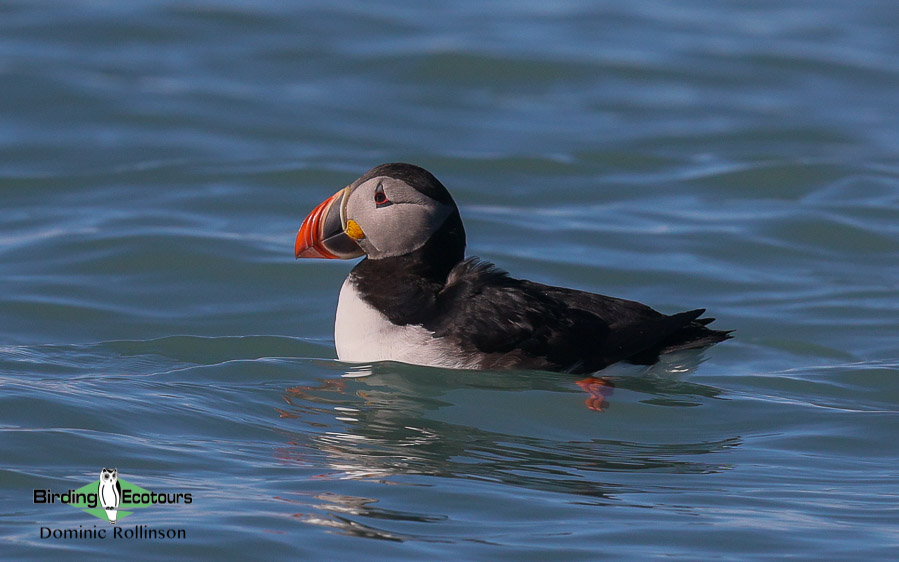
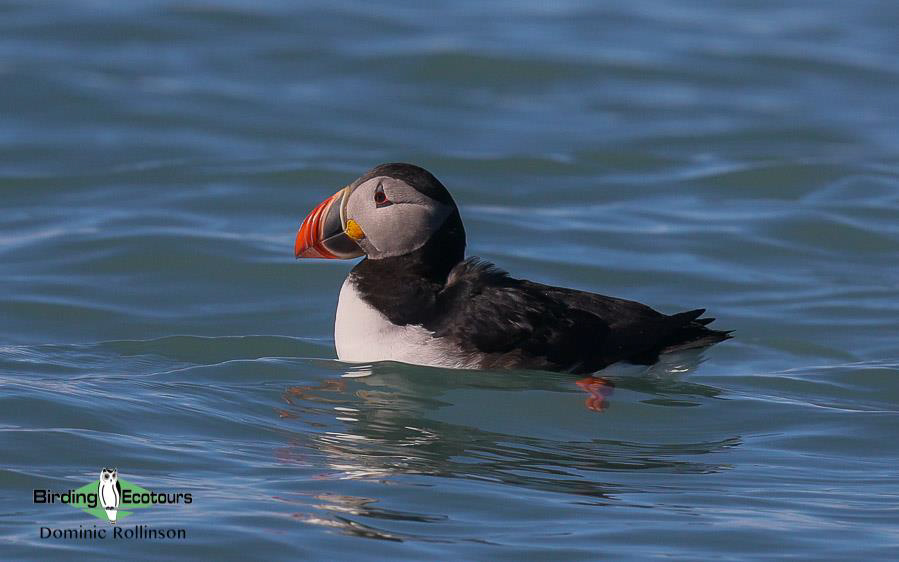 Atlantic Puffin is one of our spectacular targets on this trip.
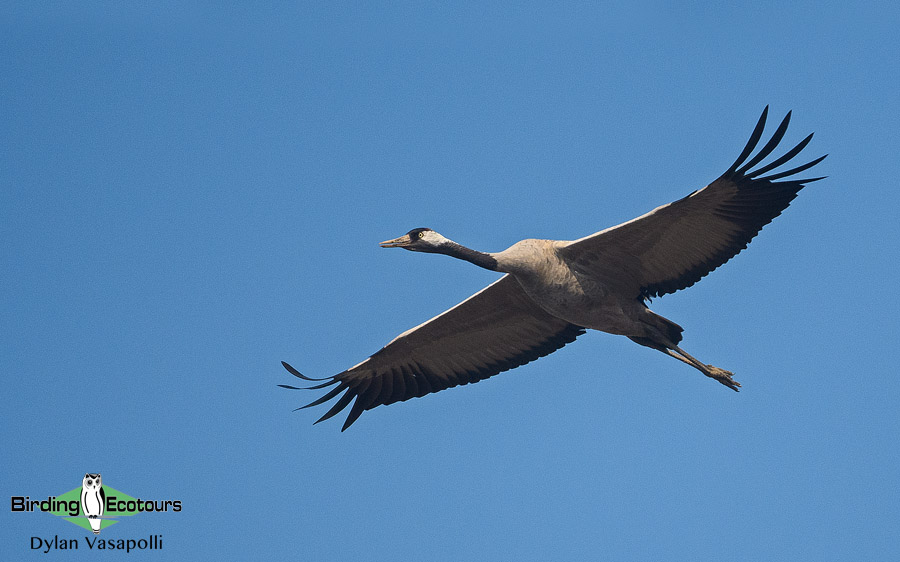
Some of the key targets on this England in spring tour include the UK endemic Red Grouse, getting amazing close views of seabirds like the charismatic Atlantic Puffin, and seeing iconic species such as Black Grouse, European Nightjar, Eurasian Stone-curlew, Pied Avocet, Common Kingfisher, European Robin, Common Nightingale, and Bearded Reedling (Bearded Tit). During this tour we will look for a number of scarce, or very local breeding species in England like Garganey, Common Crane, Eurasian Woodcock, Purple Sandpiper, Little Tern, Mediterranean Gull, Eurasian Spoonbill, Red Kite, Short-eared Owl, and Eurasian Hobby. While traveling through eastern England, we will enjoy repeat views of many resident and common bird species (which are spectacular to the visiting birdwatcher or bird photographer), such as Common Wood Pigeon, Northern Lapwing, European Green Woodpecker, Eurasian Blue, Great and Long-tailed Tits, European Nuthatch, European Goldfinch, Eurasian Bullfinch, and Yellowhammer. We have put together a detailed “Common Birds of the UK” blog series presenting a photographic look at the common garden, farmland and woodland, and wetland and coastal birds of the United Kingdom, many of these species are possible on this tour. These common resident species will also add great value to our tour and are sure to delight.
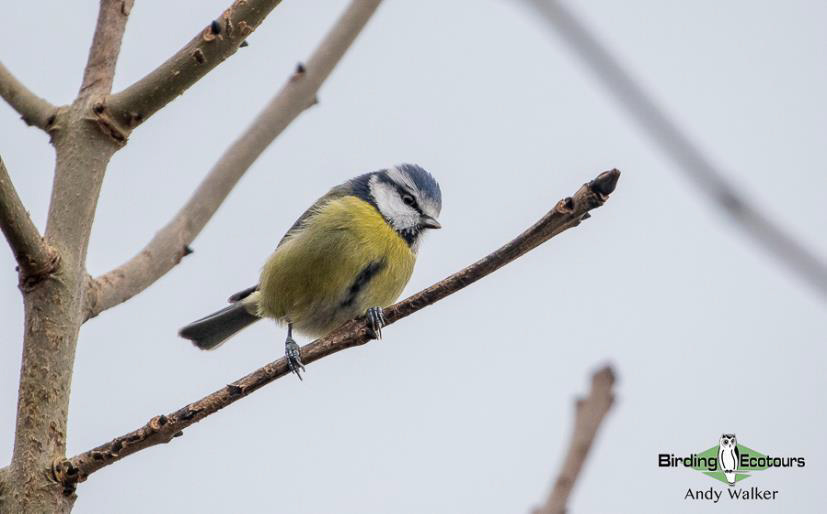 Eurasian Blue Tit, gorgeous and abundant in the United Kingdom.
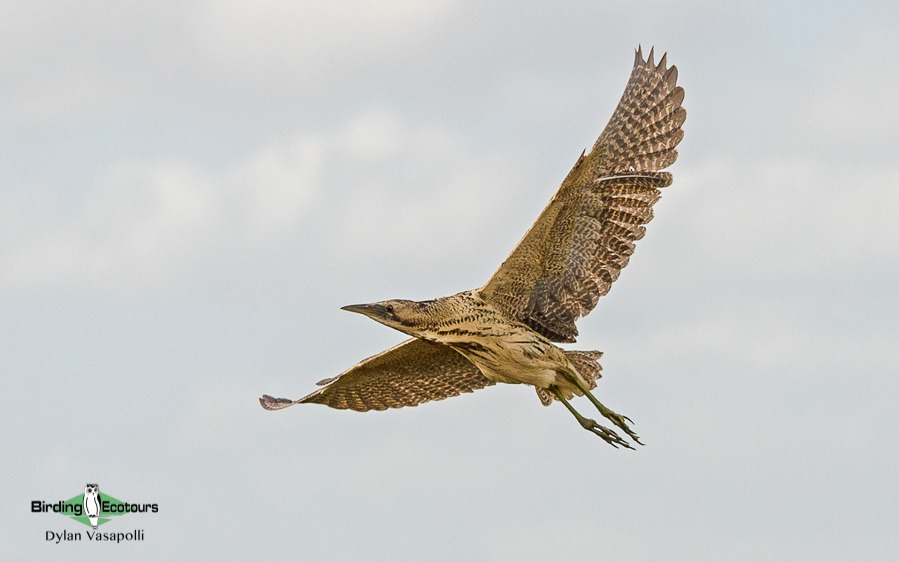
England is home to a number of brilliant nature reserves that offer easy access to the country’s wildlife, and we make use of these throughout the tour. Starting in Norfolk, we visit excellent wetland and coastal reserves in search of species like Western Marsh Harrier, Red Knot, Black-tailed Godwit, Ruff, Eurasian Bittern, Cetti’s and Dartford Warblers. Traveling inland, we explore the Brecks, a unique region of sandy heath and pine forest that spans parts of Norfolk and Suffolk. Here we will look for Eurasian Stone-curlew, Eurasian Goshawk, Eurasian Hobby, Woodlark, Common Firecrest, and (with luck) Lesser Spotted Woodpecker, among others.
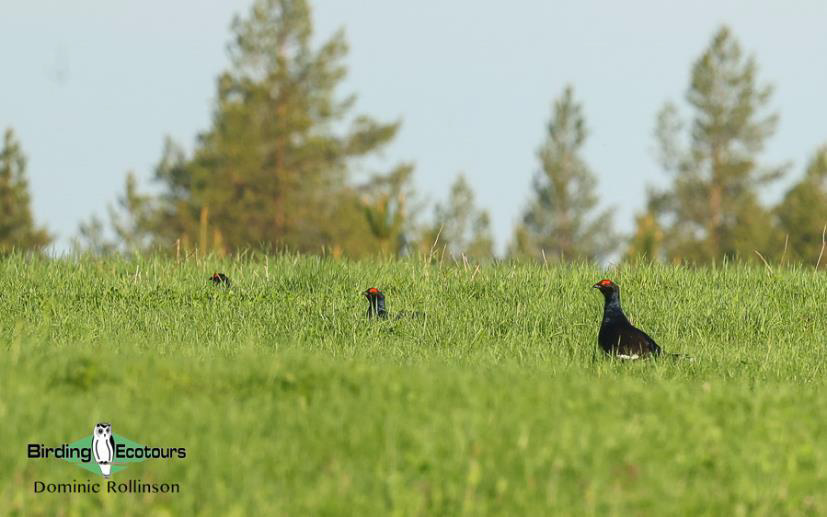
We then travel north to the beautiful Roman city of York, where much of our birding takes place in the grasslands, moorlands, and woodlands of the Vale (a large valley) of York. We will look for the now rare European Turtle Dove, along with Grey Partridge, Willow Tit and Black Grouse, amongst many others. We visit the famous Bempton Cliffs Nature Reserve, part of the dramatic Yorkshire coastline. These towering chalk cliffs are home to thousands of breeding seabirds, including Black-legged Kittiwake, Northern Fulmar, and Northern Gannet. During our time in Yorkshire, we will search for nocturnal species such as European Nightjar and Tawny Owl. We finish the tour in Northumberland with a boat trip to the Farne Islands, where we expect close views of the characterful Atlantic Puffin and many other seabirds, before enjoying some final coastal birding on the way to Edinburgh, Scotland, where the tour ends.
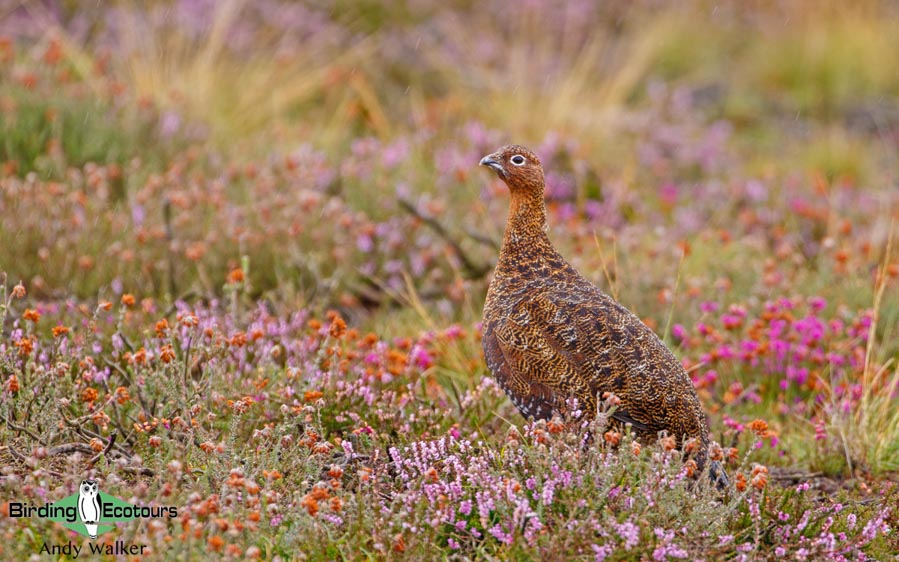
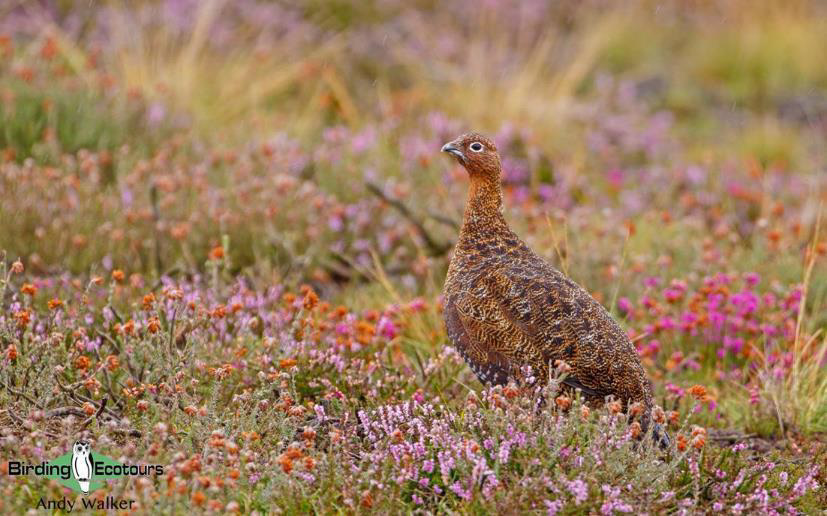 Red Grouse was recently split from the widespread Willow Ptarmigan and is a UK endemic.
As this England bird watching tour will take place during the spring passage period, we could be interrupted by a scarce migrant such as European Bee-eater, Red-backed Shrike, Icterine Warbler, or something altogether much rarer. Spring rarities in the United Kingdom can come from far-flung places such as the United States of America, the Mediterranean and Eastern Europe, or Siberia, so almost any migratory species could be on the cards! This tour can be combined with our Scotland birding tour immediately after this England trip.
Itinerary (11 days/10 nights)
Day 1. Arrival in London and transfer to a hotel near the airport
After your arrival in London (Heathrow) you will transfer to our hotel and gather for our group evening welcome meal together. If you would like to explore the many tourist attractions of the city of London (Westminster Abbey, Buckingham Palace, Houses of Parliament and Big Ben, Kew Gardens, Natural History Museum, etc.) please organize an early arrival into England as we will not be ending the tour in London.
Overnight: Heathrow Airport area, London
Day 2. Transfer to Norfolk
We will leave the Heathrow area after breakfast and will commence our journey to central Norfolk, our base for the next four nights. Birding near London may get our lists going with some of the many exotic, feral species present in the United Kingdom, such as Egyptian Goose, Mandarin Duck, or Rose-ringed Parakeet. We will also likely see the first of the common species that we should get to know very well over the course of our birding tour, such as Common Wood Pigeon, Eurasian Magpie, Eurasian Blue and Great Tits, European Robin, and European Goldfinch. On arrival in Norfolk, we will likely get our birding underway at one of the many nearby birding sites described below.
Overnight: Norwich
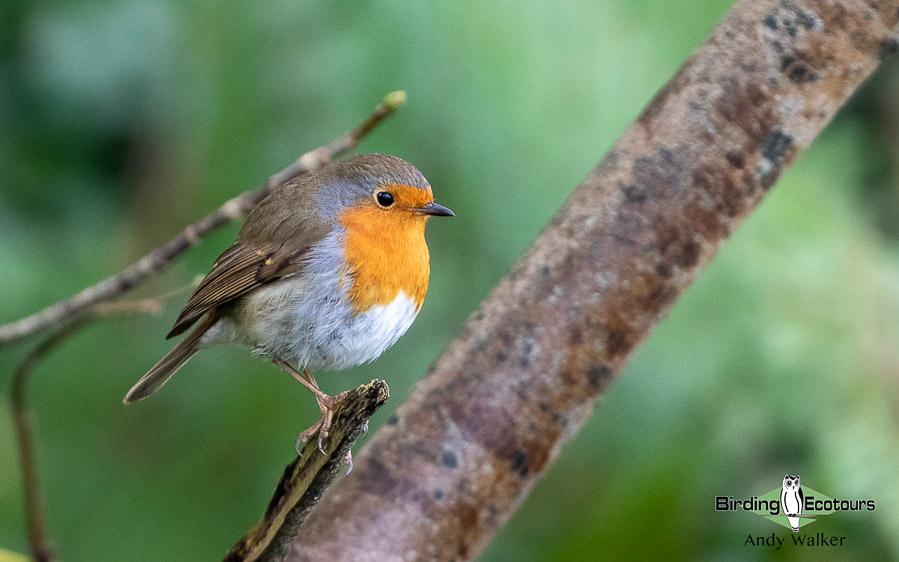
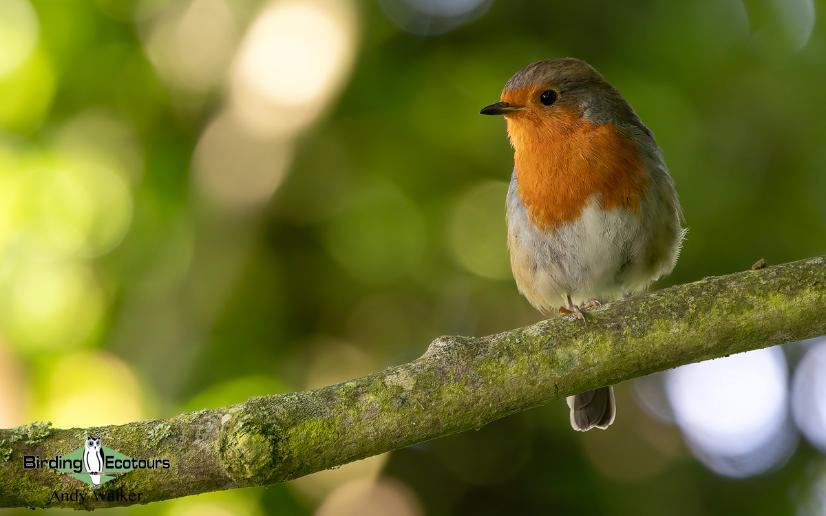 European Robin is a common and attractive garden bird in the UK, and we will likely see it on most days of the tour.
Days 3 – 5. Norfolk and Suffolk birding
We will spend three full days at a selection of Norfolk birding sites and in adjacent counties (especially Suffolk) as we explore East Anglia, one of the best birding areas in the whole of the UK. East Anglia is great for a number of restricted-range breeding birds and has a fantastic reputation for spring passage migrants and rarities. Some of the coastal and inland reserves we can visit during our time in the area include Royal Society for the Protection of Birds (RSPB) Titchwell Marsh, RSPB Lakenheath Fen reserve, and Norfolk Wildlife Trust (NWT) Cley Marshes, amongst others. We will visit vast areas of saltmarshes, freshwater marshes, inland and coastal wetlands, and estuaries that could be teeming with passage shorebirds changing color into their gorgeous breeding plumage as they head north. Some of these include Common Ringed Plover, European Golden Plover, Wood Sandpiper, Dunlin, Curlew Sandpiper, and Temminck’s Stint, as well as several raptors such as Western Marsh Harrier, Red Kite, and Eurasian Goshawk.
The water and its surrounding edge habitat are likely to hold a wide array of breeding ducks such as Common Shelduck, Tufted Duck, and Garganey, along with a mix of wading birds like Pied Avocet, Little Ringed Plover, Eurasian Bittern, Eurasian Spoonbill, Little Egret, Grey Heron, and Water Rail. Bearded Reedling (Bearded Tit), Sedge, and Common Reed Warblers can be found in reedbeds, and scrubland may support the prized Common Nightingale, Cetti’s, and Dartford Warblers.
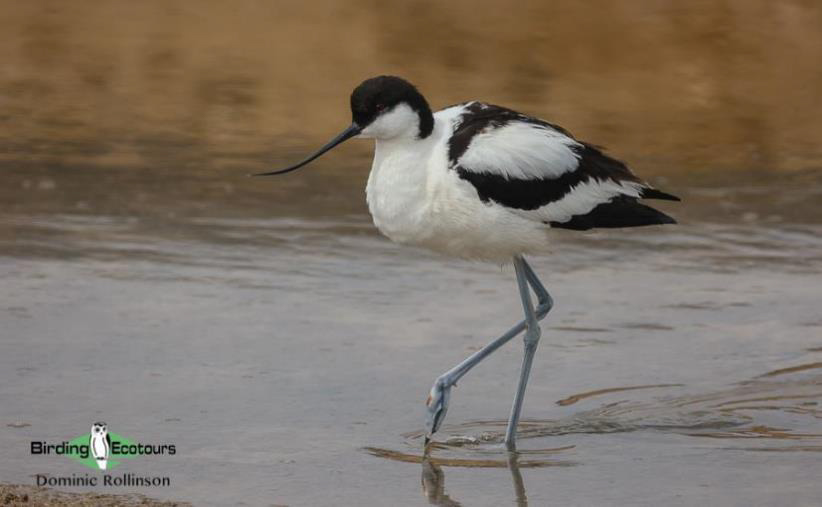 Pied Avocet is a striking bird.
We will spend some time inland in the unique sandy heath and pine forests of the Brecks. Here we will be on the lookout for breeding Common Crane, Eurasian Bittern, Little Egret, Water Rail, Eurasian Goshawk, Little Owl, Eurasian Stone-curlew, Common Kingfisher, Eurasian Hobby, European Green Woodpecker, Woodlark, Common Firecrest, Western Yellow and White Wagtails (Pied Wagtail), Red Crossbill, and hopefully Lesser Spotted Woodpecker, which is unfortunately now rare throughout the UK. The above is just a small selection of the birds we may encounter and the places we will visit during our time in Norfolk.
Overnight: Norwich (three nights)
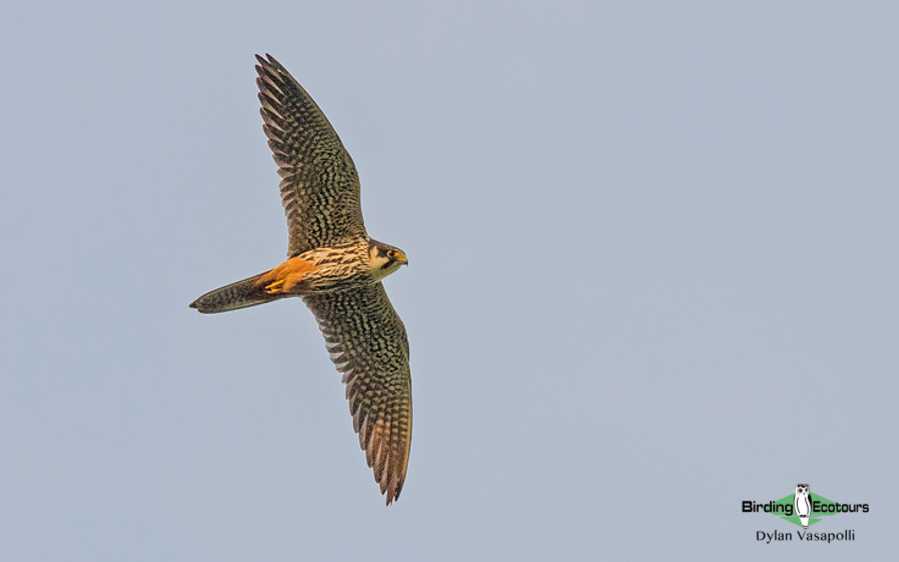
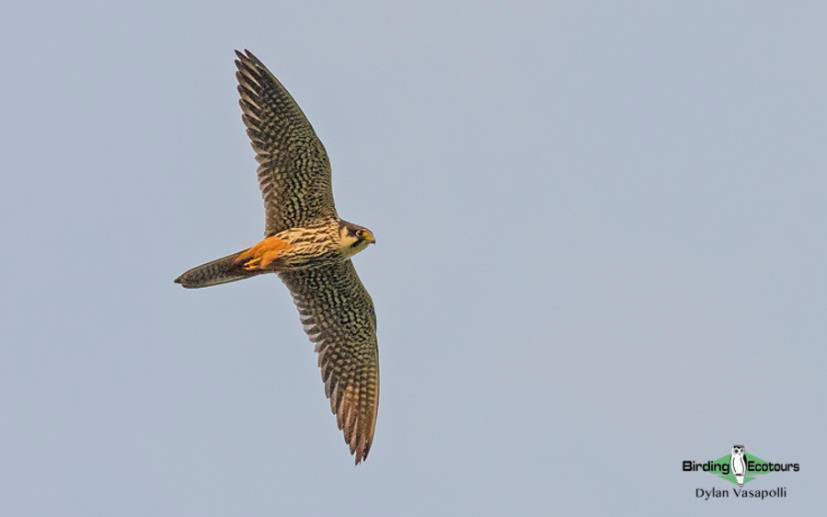 Eurasian Hobby will be a target in the Brecks.
Day 6. Transfer between Norfolk and the city of York
This will be a travel day as we move between Norfolk and the city of York after our final early-morning birding session in the area. York will be our base for the next three nights as we spend time birding across Yorkshire. York, the former Roman capital of the north of England, is a walled city and has some very impressive buildings, none more so than York Minster, although Clifford’s Tower and ‘the Shambles’ (an ancient street) also take some beating. We will have some time to see these areas while we are in the city. One evening while in York, we will search for a range of crepuscular and nocturnal species, such as European Nightjar, Eurasian Woodcock, Western Barn, Tawny, Little and, with luck, Long-eared Owls, not far from the city itself.
Overnight: York
Days 7 – 8. Yorkshire birding
We will spend two full days birding in North Yorkshire, and the East Riding of Yorkshire, focusing on the farmed landscape of the Vale of York and the surrounding chalk hills of the Yorkshire Wolds. This patchwork of arable and pastoral farmland with many areas managed specially for flora and fauna, interspersed with woodland and ‘common land’ (shared land) forms an incredibly important mosaic of habitats. Here we may find European Turtle Dove, which is now, regrettably, a rare breeding bird in the country.
Species we will search for around the city of York include Red-legged, and Grey Partridges, Common Pheasant, Common Swift, Common Cuckoo, Western Marsh Harrier, Red Kite, Common Buzzard, Western Barn Owl, Northern Lapwing, Eurasian Whimbrel, Common Redshank, Common Snipe, Common Kestrel, Eurasian Hobby, Peregrine Falcon, Great Spotted Woodpecker, Rook, Western Jackdaw, Carrion Crow, Eurasian Skylark, Common House and Sand Martins, Marsh and Willow Tits, Goldcrest, Common and Lesser Whitethroat, Dunnock, Song and Mistle Thrushes, Common Blackbird, Eurasian Tree Sparrow, Common Linnet, European Goldfinch, Common Chaffinch, Corn and Common Reed Bunting, and Yellowhammer.
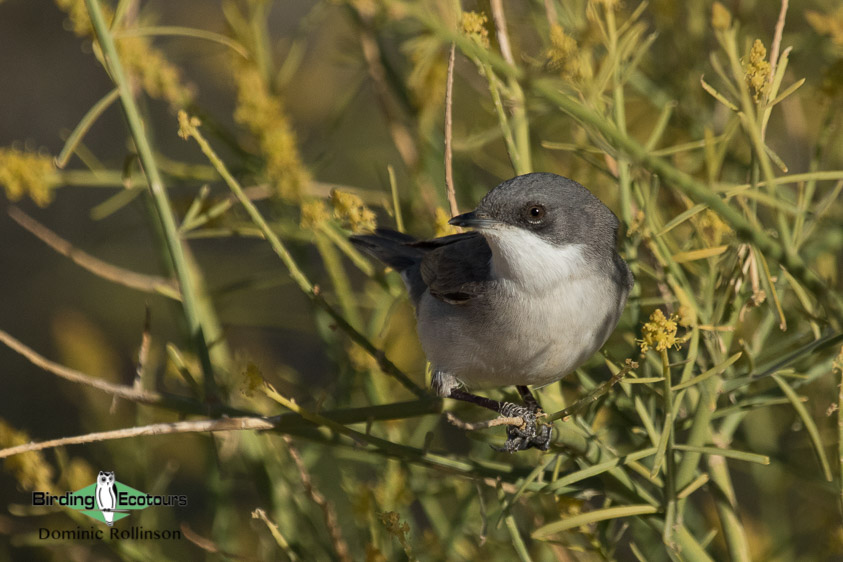 Lesser Whitethroat, one of the many migrant passerines we will look for around York.
Part of the farmland in the Vale of York forms a seasonally flooded wetland and, depending on water levels, we will look for species such as Garganey, Ruff, Black-tailed Godwit, Common Tern, and rarities like Common Quail, Black-necked Grebe, Black Tern, Spotted and Corn Crakes.
Moving further from the city of York, one of the must-see sites on the Yorkshire Coast is Bempton Cliffs RSPB reserve. These towering sea cliffs will be packed with returning breeding seabirds, including Common Murre (Common Guillemot), Razorbill, European Shag, Black-legged Kittiwake, Northern Fulmar, and Northern Gannet. We may also have our first chance to see the gorgeous and charismatic Atlantic Puffin, while Great Skua, Peregrine Falcon, European Herring, Great Black-backed, and Lesser Black-backed Gulls will likely be seen patrolling the sea cliffs in search of an easy meal.
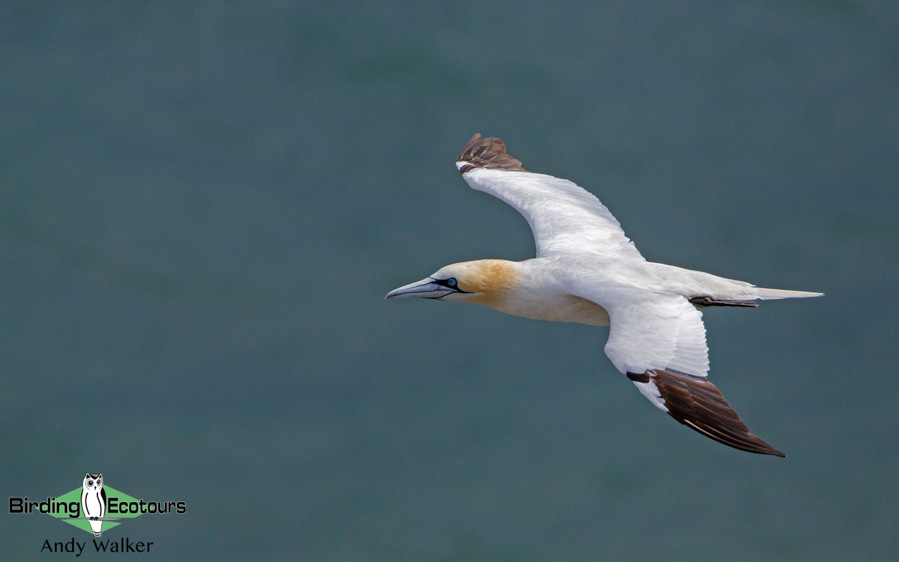
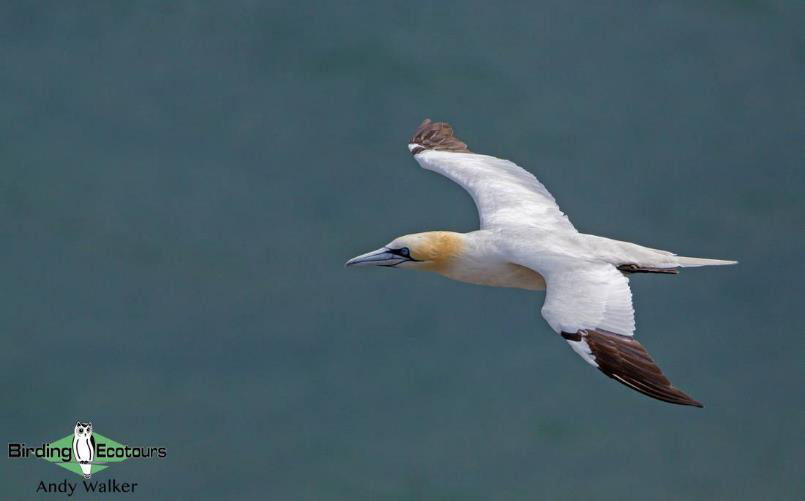 Bempton Cliffs RSPB reserve is home to a large nesting colony of Northern Gannet, and great eye-level views will be possible as they fly onto and off the cliffs.
While we are at the coast we will keep an eye out for passage migrants, as anything could turn up at this time of year, from White Stork to Eurasian Hoopoe to Eurasian Wryneck. Although none are necessarily to be expected, our tour coincides with the peak of spring migration and this area has a strong track record of rare birds turning up! More likely migrants include the exciting British woodland trio of Wood Warbler, Common Redstart, and European Pied Flycatcher. We will probably also visit the rarity hotspots of Flamborough Head or Spurn Point, though the exact locations will depend on the weather and rarity forecast.
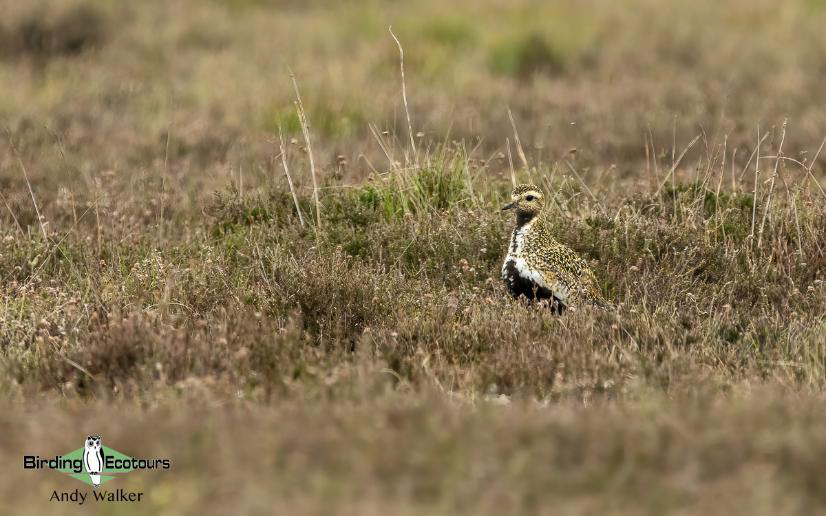 European Golden Plover will be moving onto the moorland to start breeding.
The moorland in Yorkshire is also known for its excellent birding, and here, as well as in the nearby dales and Wolds (chalk hills), we will search for species such as Black and Red Grouse, Eurasian Dotterel, European Golden Plover, Eurasian Oystercatcher, Eurasian Curlew, Short-eared Owl, Merlin, Common Grasshopper and Garden Warblers, Eurasian Blackcap, Whinchat, European Stonechat, Ring Ouzel, Tree Pipit, and Redpoll. Woodland bordering the moorland may hold a wide range of migrant and resident breeders including Great Spotted Woodpecker, Wood and Willow Warblers, Common Redstart, European Pied and Spotted Flycatchers.
Overnight: York (two nights)
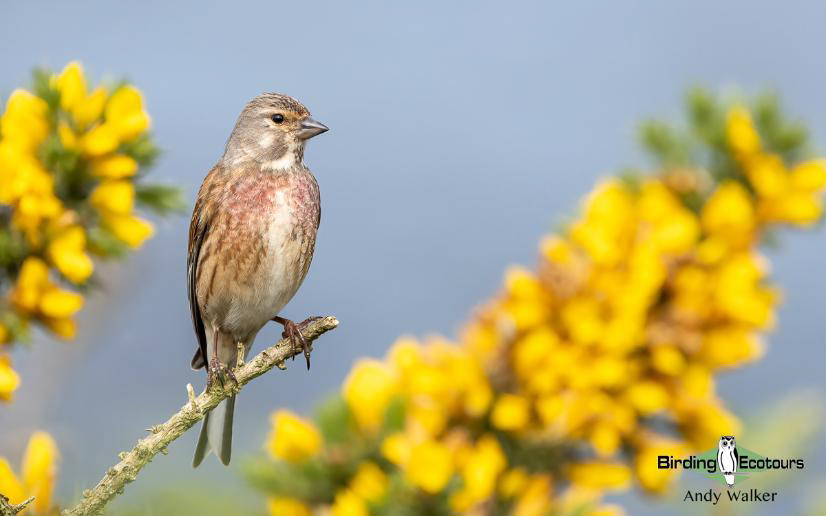 Common Linnet is an attractive species that can be found on this tour.
Day 9. Transfer between Yorkshire and Northumberland
This will be a travel day as we move between York and our next base near Alnwick, in Northumberland. We will make a couple of stops along the way (there are a lot of great options) depending on what we’ve seen over the past couple of days.
Overnight: Alnwick
Day 10. Northumberland Coast
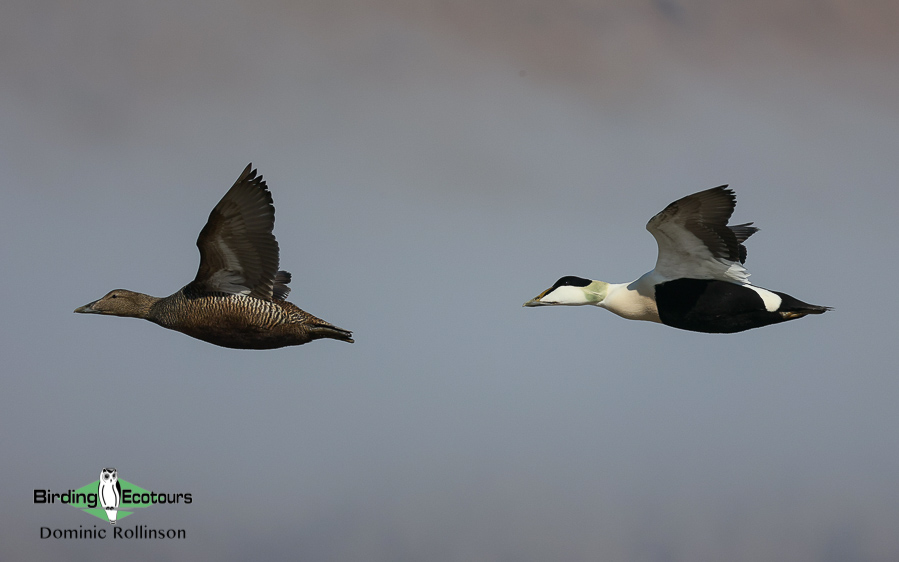
We will spend the day birding in Northumberland, visiting the spectacular Farne Islands. The seabird nesting colony here will likely be a highlight of the tour, with close views of breeding Atlantic Puffin, Common Murre (Common Guillemot), Razorbill, European Shag, Black-legged Kittiwake, and Northern Fulmar, as well as Common, Sandwich, Roseate, Little, and Arctic Terns, which will allow excellent photography opportunities. Common Eider, Purple Sandpiper, and Ruddy Turnstone are found around the rocky shores of the islands, with the shorebirds coming into breeding plumage.
Overnight: Alnwick
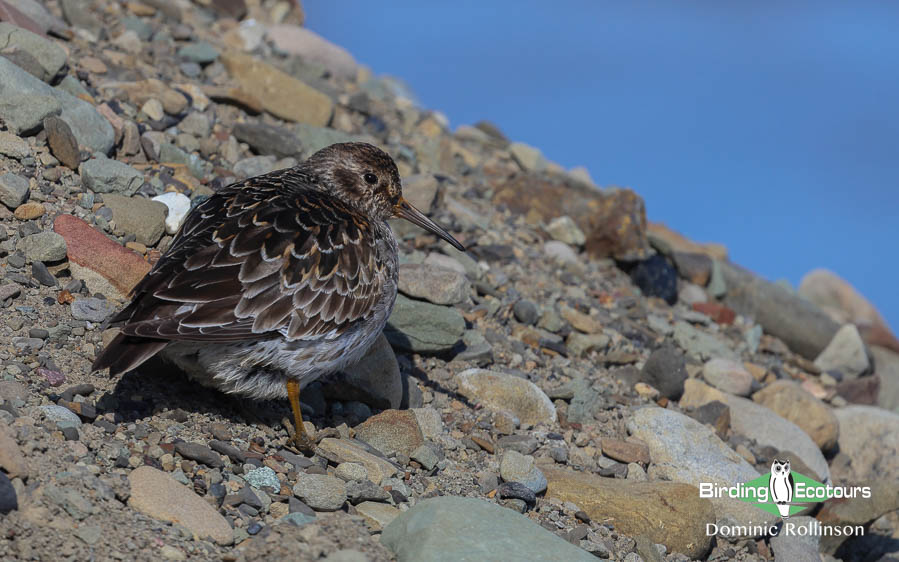 We should have excellent photographic opportunities for Purple Sandpiper in Northumberland.
Day 11. Northumberland to Edinburgh, and tour conclusion
Today is mostly a travel day as we leave England and drive to Edinburgh, the capital of Scotland. If tidal conditions allow, we may stop at Holy Island, where the mudflats often have an interesting mix of shorebirds such as Grey Plover, Bar-tailed Godwit, Red Knot, and Sanderling. The tour will conclude at midday on arrival at Edinburgh airport. However, those interested in continuing birding across the United Kingdom will continue on our Highlands and Islands of Scotland in Spring tour.
Overnight: Not included
Please note that the itinerary cannot be guaranteed as it is only a rough guide and can be changed (usually slightly) due to factors such as availability of accommodation, updated information on the state of accommodation, roads, or birding sites, the discretion of the guides and other factors. In addition, we sometimes have to use a different international guide from the one advertised due to tour scheduling.
Map
Testimonials
Gallery
General Information
UNITED KINGDOM: ENGLAND IN SPRING BIRDING TOUR
TOUR-SPECIFIC INFORMATION
GENERAL INFORMATION ABOUT THE UNITED KINGDOM CAN BE READ HERE
TOUR OUTLINE
This small group, set departure United Kingdom (UK) birding tour along the eastern coast of England in spring will start in London (Heathrow), England and end in Edinburgh, Scotland. The tour is timed during the peak of the spring migration, and when breeding for a large number of species will be well underway. This tour will connect with a wide range of rare and localized breeding species such as the UK endemic Red Grouse, charismatic Atlantic Puffin, European Nightjar, Eurasian Stone-curlew, Pied Avocet, European Turtle Dove, and Common Nightingale among others.
WEATHER/CLIMATE
Spring is generally a calm, cool season, particularly because the Atlantic has lost much of its heat throughout the autumn and winter period. As the sun rises higher in the sky and the days get longer, temperatures slowly rise, but the solar effect is mitigated by the effect of the cool ocean waters and westerly winds that blow across the UK. The average nighttime temperature in the UK in spring is 44 °F (7 oC), with the daytime temperature average of 60 °F (16 °C). We will be making several early morning starts, visiting northern latitudes, and spending some time at higher elevations on this tour, so we will likely experience a wide range of temperatures (see more below).
DAILY ACTIVITIES, PHYSICAL REQUIREMENTS, AND TOUR PACE
This tour covers a large part of eastern England and is at a faster pace than some of our other tours, for example, our United Kingdom: England in Winter Tour is a slower-paced and less intensive birdwatching tour, with a different set of birds possible. During this spring tour, sunrise will be around 05:00hrs and sunset around 21:30hrs, and as such the tour will require some early starts and late finishes to our days in the field. Most of the tour is spent in the lowlands and at sea-level, though we will spend time in slightly higher elevations, but these elevations are unlikely to provide any constraints to anyone.
Much of our birding will be undertaken at established nature reserves, such as those managed and operated by the Royal Society for the Protection of Birds (RSPB) and regional wildlife trusts and organizations, such as Norfolk Wildlife Trust, Yorkshire Wildlife Trust, and Northumberland Wildlife Trust. Most of the reserves we visit have good facilities, such as trail networks, viewing blinds (hides), and visitor centers often (including gift shops and cafes) though we will also be walking on rough tracks at times. Please note that the further north we go, we will be spending more time on rougher tracks and will spend time walking some hills, though we will go at a pace suitable for everyone in the group.
The nature reserves we visit often allow great views of many species and can also offer good photographic opportunities, though please note that this set departure tour is not designed as a photographic tour, if you would like a custom photography tour for you or a group of friends, please let us know, as we can put together something specific for you.
DOMESTIC FLIGHTS
There are no domestic flights included in this tour. Note the tour starts in London (Heathrow), England and ends in Edinburgh, Scotland.
ACCOMMODATION
We will be staying in comfortable hotels or bed-and-breakfast (B&B) accommodation throughout the tour. All accommodation has private rooms and bathroom facilities.
WHAT TO BRING: CLOTHING
Although this tour takes place in late-spring, suitable clothing for cool mornings and evenings is recommended and rain should be expected at any time, so good waterproof clothing is necessary. Sturdy walking boots are recommended for this tour.
WHAT TO BRING: OTHER ITEMS
A walking/hiking stick will be useful for walking in some areas on this tour, such as when in the hill country around York.