- Duration:
- 6 days
- Group Size:
- 4–8
- Tour Start:
- Minneapolis
- Tour End:
- Minneapolis
Owls and Winter Birding in the Boreal Forest of Minnesota
Details
2027
26–31 January
Per person sharing
$2,990 USD
£2,348 GBP / €2,802 EUR
Single supplement
$440 USD
£345 GBP / €413 EUR
2028
26–31 January
Per person sharing
$3,169 USD
£2,487 GBP / €2,969 EUR
Single supplement
$466 USD
£365 GBP / €437 EUR
Itinerary
Download ItineraryOwls and Winter Birding in the Boreal Forest of Minnesota
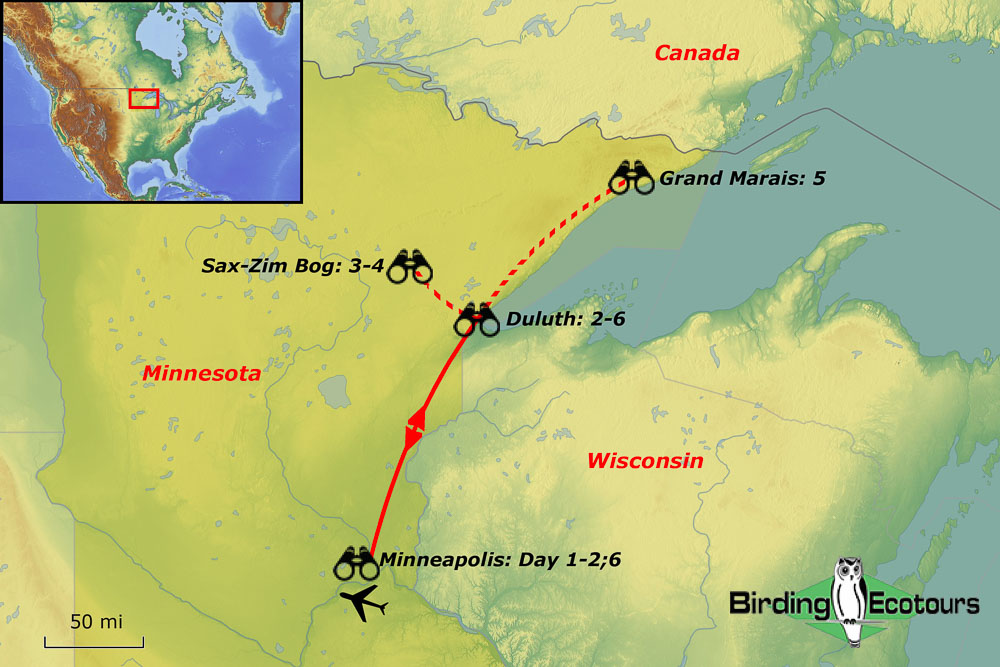
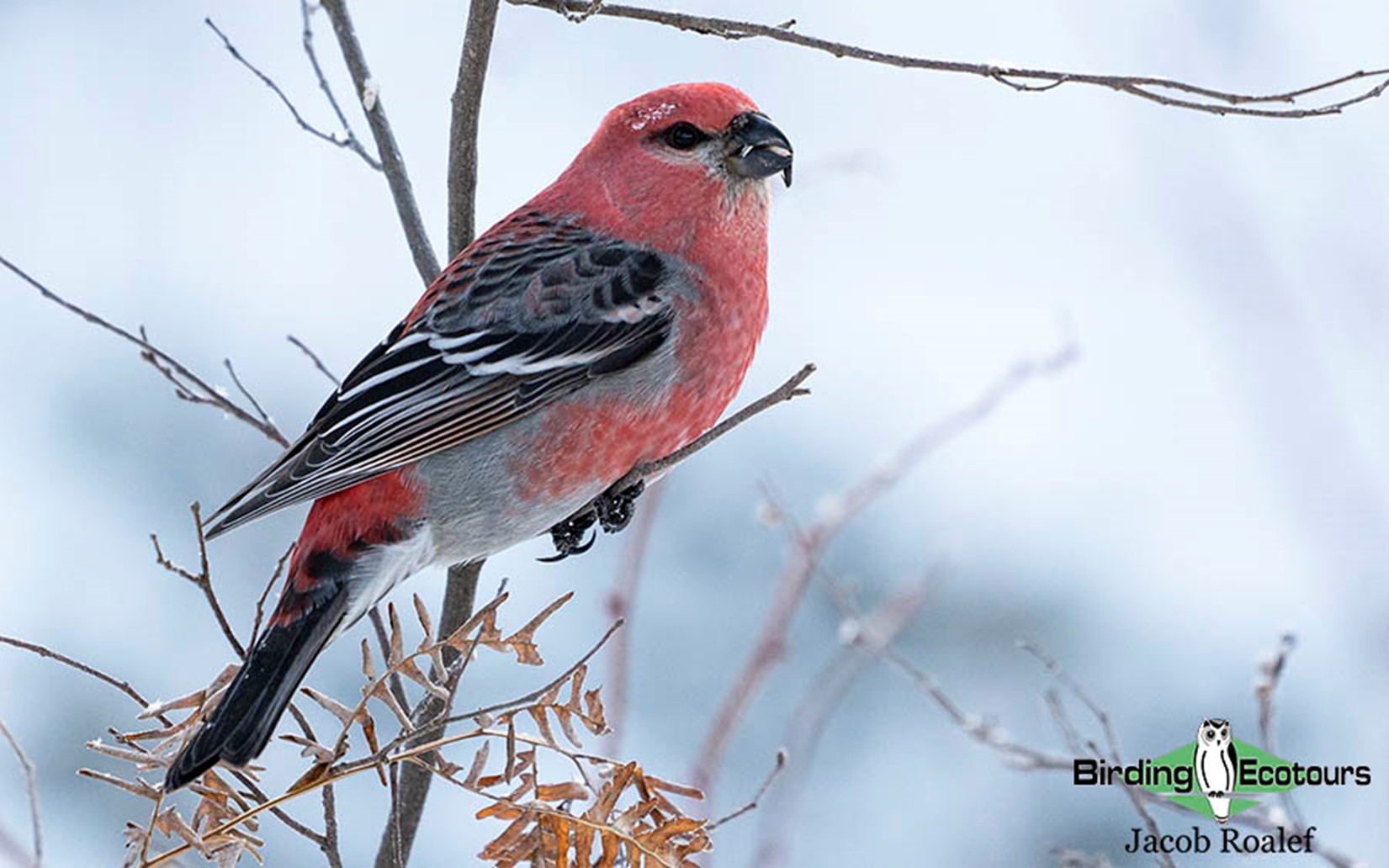
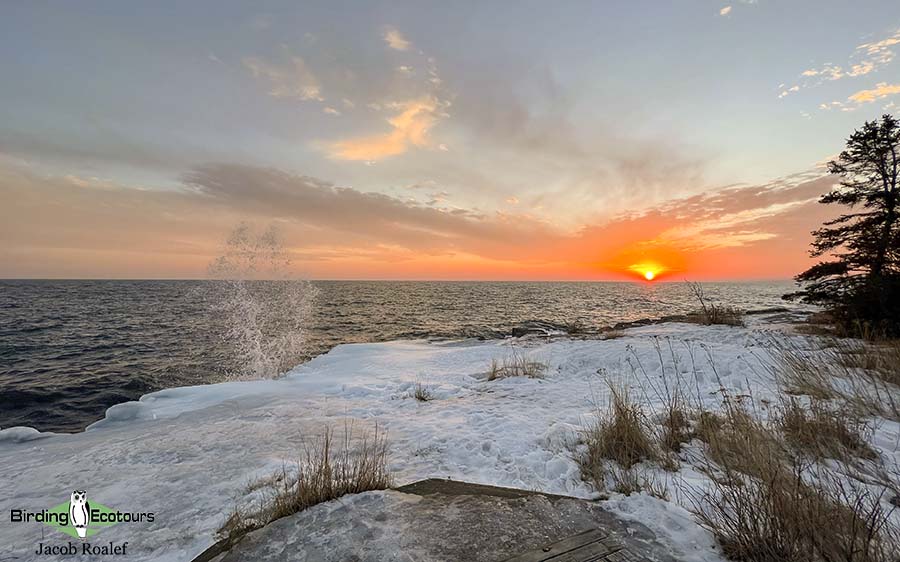
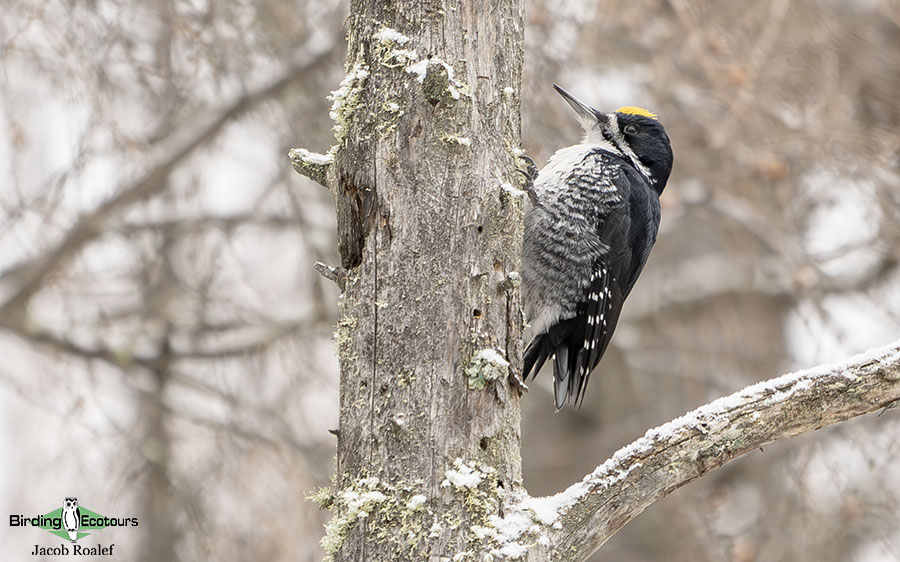
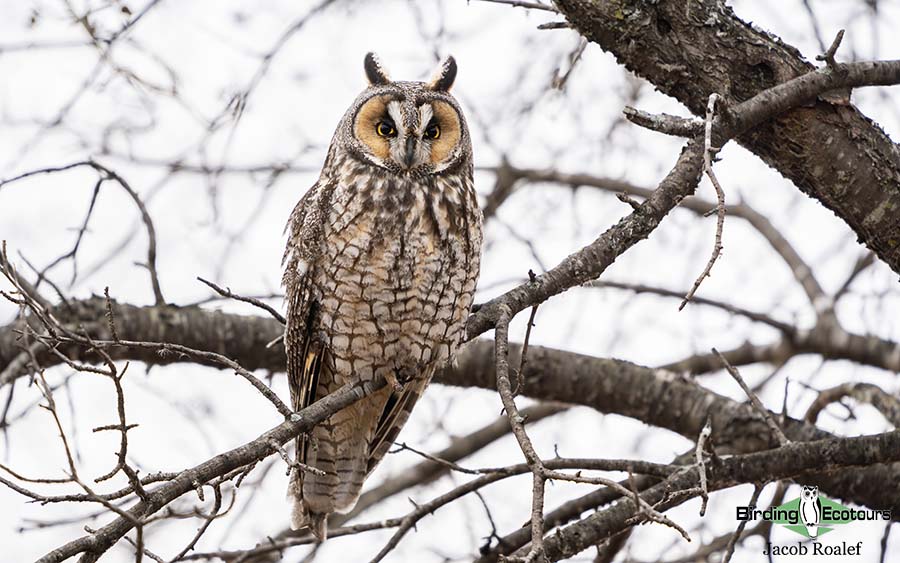
In true winter wonderland fashion, Minnesota offers picturesque scenes of snow-covered evergreens and iced-over lakes. This Minnesota birding tour focuses on a variety of birds that use Lake Superior and the boreal forest as their winter homes. We begin in the Minneapolis-Saint Paul area where we will target several key species like Trumpeter Swan, American Tree Sparrow, Rough-legged Buzzard (Hawk) and Long-eared Owl. From here we move north to Duluth, which will serve as our home-base for the remainder of the trip. The famous USA birding location, Sax-Zim Bog, offers an incredible variety of habitats and is undoubtably one of the best places for amazing owls like Great Grey Owl, Northern Hawk-Owl and in good irruption years, Boreal Owl. Of course, the bog features more than just owls with other incredible boreal bird species including Evening Grosbeak, Pine Grosbeak, Ruffed Grouse and Black-backed Woodpecker. After a few days focused at Sax-Zim Bog, the tour moves up the coast of the mighty Lake Superior where we will search for Snowy Owl in the Duluth-Superior harbor. As we continue north, we will get to the small town of Grand Marais, typically a great area for Bohemian Waxwing. A run through Superior National Forest, and other nearby parks on the way north, offers a chance at spotting Spruce Grouse and Boreal Chickadee.
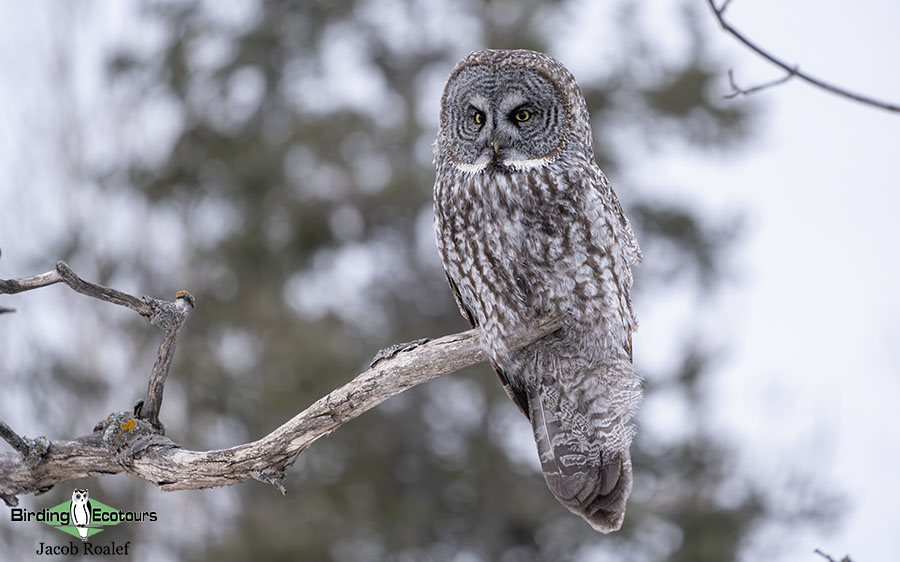 One of several species of owl on this tour, the Great Grey Owl surveys from atop its perch.
Most trips can vary depending on the irruptive finch species like Redpoll, Two-barred Crossbill, Red Crossbill and Purple Finch. We will have plenty of time in the area to ensure our best chances for all of these great species. After scoring these fantastic winter denizens and many more, the tour concludes back in Minneapolis-Saint Paul where folks can thaw out and make their journeys home after another unforgettable experience.
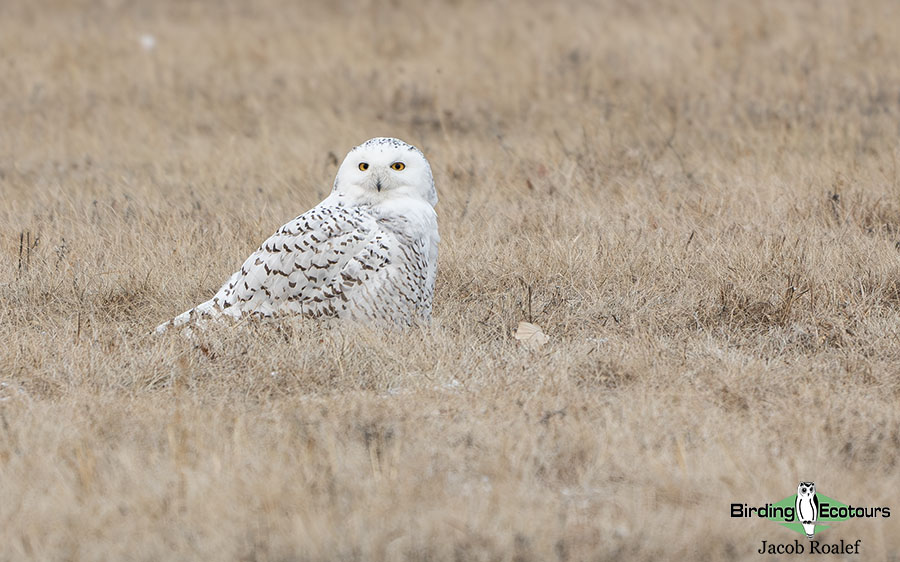 Another of our owl targets will be the beautiful Snowy Owl.
Itinerary (6 days/5 nights)
Day 1. Arrival at Minneapolis-St. Paul International Airport
After arrival, if there is time, we will bird around the Minneapolis area until dinner. We’ll bird Nicols Road Marsh and nearby parks along the river for American Tree Sparrow, Trumpeter Swan, Dark-eyed Junco, Red-bellied Woodpecker and more. Then as the sun begins to set, we will begin our search for the breathtaking Snowy Owl in the Minneapolis-Saint Paul Airport viewing area. Dinner will taste so much sweeter after a hopefully successful owl search. Then off to our hotel for a good night’s rest before starting our first full day of birding.
Overnight: Minneapolis
Day 2. Minneapolis north to Duluth
This morning begins our first full day of birding in the winter weather of Minnesota. We will try several nearby areas for American Tree Sparrow, Trumpeter Swan and other potential waterfowl. Where we go exactly can vary year-by-year based on weather and the whereabouts of the open water. We will visit some local areas for a chance at Long-eared Owl before beginning the drive north. Along the way, there are several areas which host Rough-legged Buzzard so we will have our eyes peeled for this. Depending on how we faired the previous day and this morning with southern targets, we may have enough time to visit Canal Park and the local landfill for Glaucous and Iceland Gulls before dinner in Duluth.
Overnight: Duluth
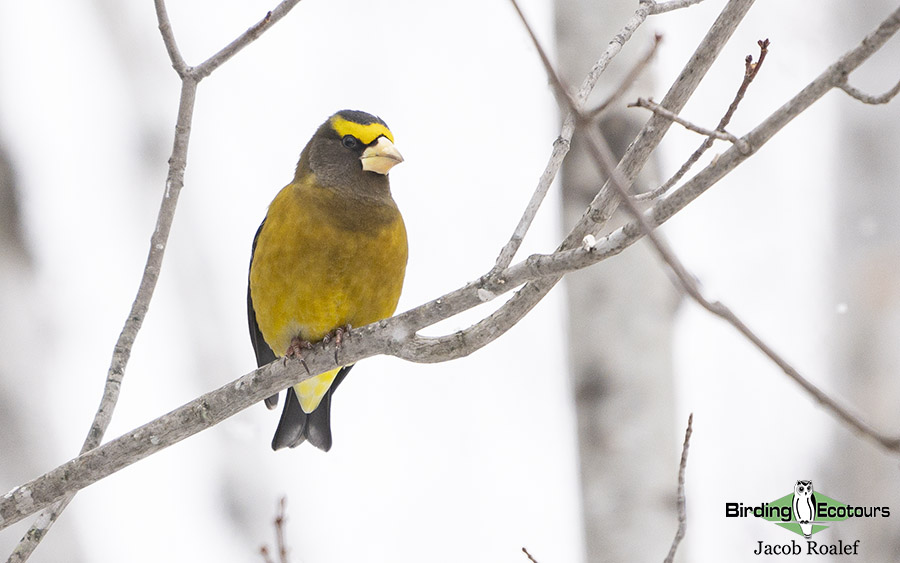 The delightful Evening Grosbeak is often seen in Sax-Zim Bog.
Days 3-4. Birding the famous Sax-Zim Bog Important Bird Area (IBA)
These next two days will focus exclusively on birding the giant area of the Sax-Zim Bog IBA. With its combination of open meadows, aspen and thick evergreen stands, rivers, farmlands and more, it is no wonder so many boreal species call “the bog” home in the winter. Due to the extremely cold conditions of Minnesota in the winter, we will do most of our birding along the roadsides, never straying too far from the vehicle. We will cruise the roads in the mornings hopeful for a Black-billed Magpie mixed in with American Crows and Common Ravens.
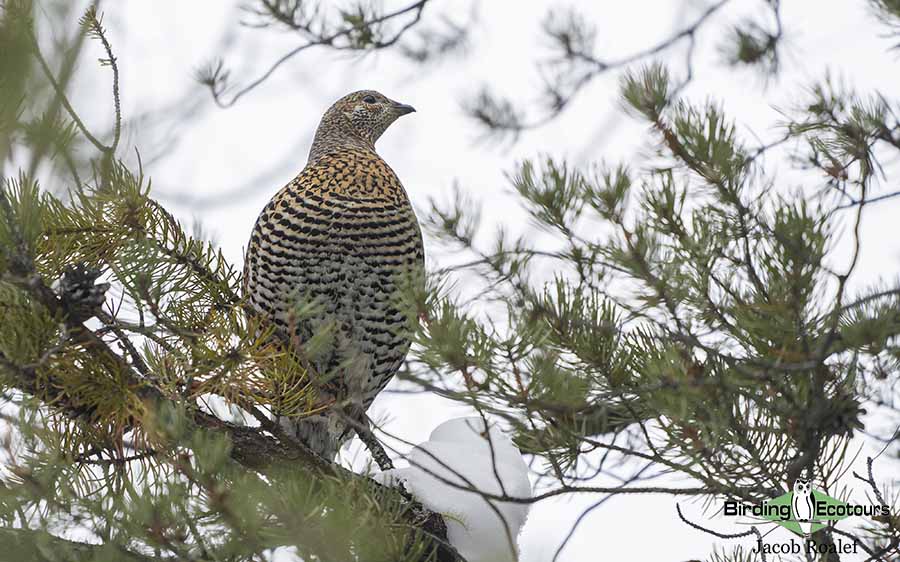
The southern portion of the bog is home to a known Sharp-tailed Grouse lekking area. Using various feeder setups throughout the area will be key as several of our targets enjoy the free buffet including Pine and Evening Grosbeaks, Black-capped Chickadee, Canada Jay and even a hungry Great Grey (Northern) Shrike, from time to time. While driving around this vast area, we will keep our eyes peeled for silhouettes in the empty branches as Ruffed Grouse and North American Porcupines feed and rest. The open meadows play host to a nice variety of diurnal raptors including Bald Eagle, Rough-legged Buzzard and Northern Hawk-Owl. As day turns into evening, the anticipation builds for an appearance of the amazing Great Grey Owl silently hunting the roadsides and snowbanks. We will spend two full days exploring this amazing area which will certainly yield us some fantastic birding.
Overnight: Duluth
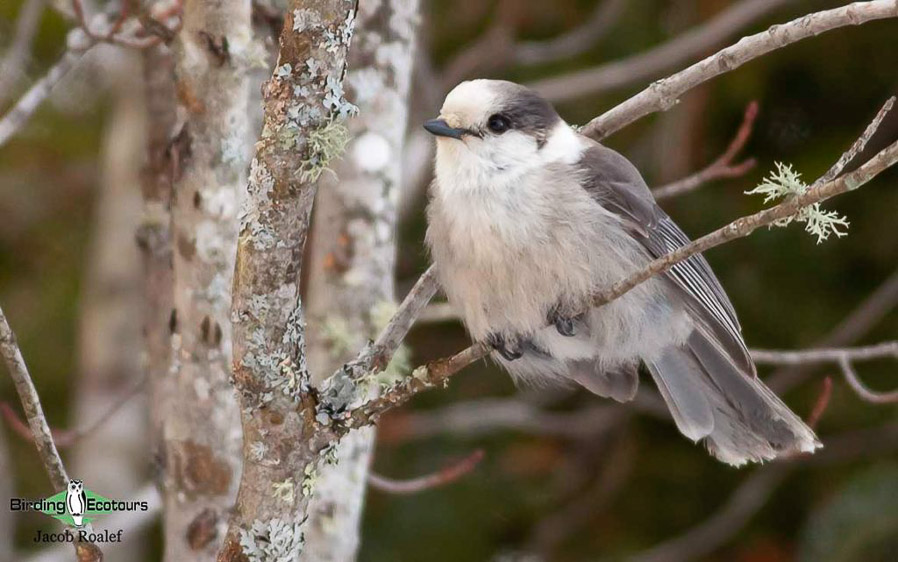 The adorable and quizzical Canada Jay is always a fan favorite.
Day 5. Lake Superior and Grand Marais
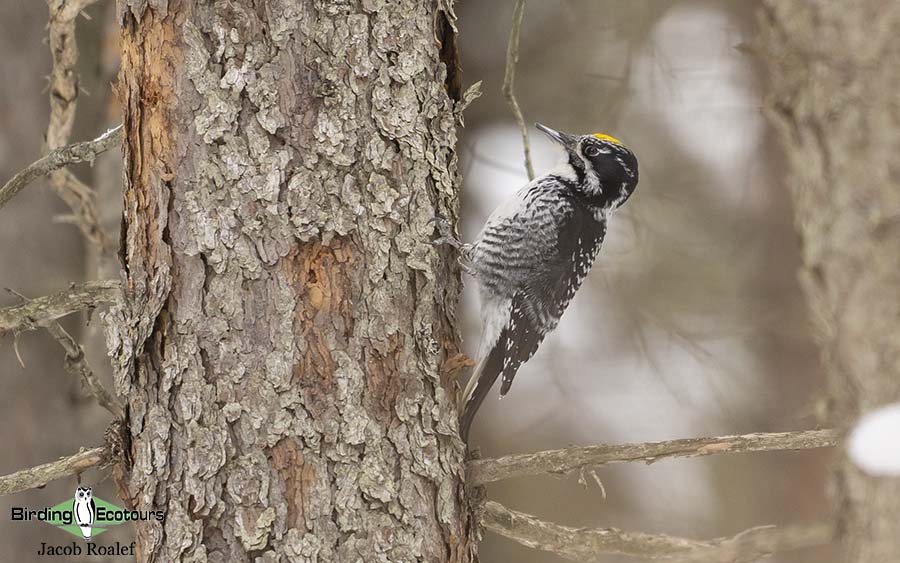
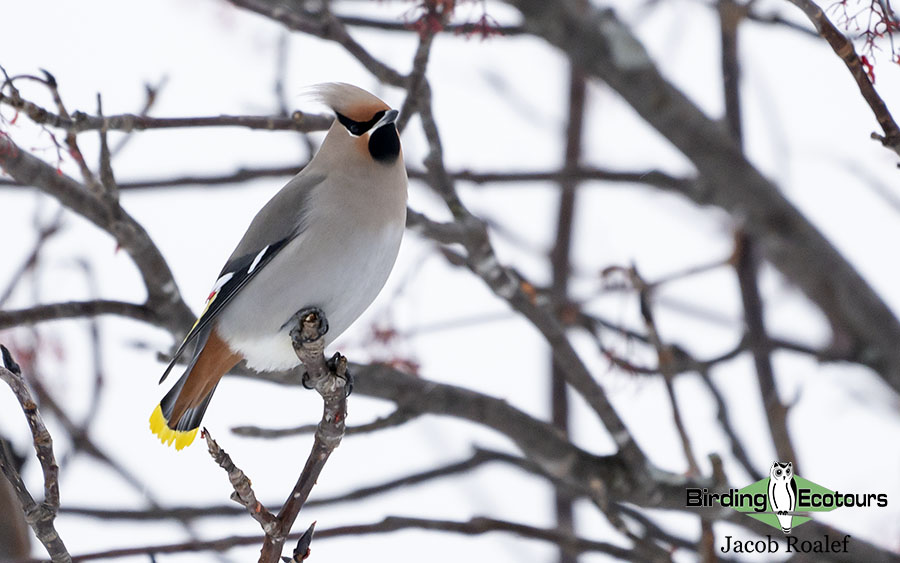
Today we will start our journey north to the small town of Grand Marais with a birding stop in Superior National Forest first. An early morning start will have us slowly patrolling the roadsides, searching for Spruce Grouse, which feed on the roadside grit and salt. As the sun continues to rise, finch flocks of American Goldfinches and Pine Siskins begin their sporadic flights, searching for seed pods. We will continue our birding of the great forest listening and looking for Boreal Chickadees and American Three-toed and Black-backed Woodpeckers. After a nice morning of birding, we will arrive in Grand Marais for lunch. We will scan the harbor for a potential Long-tailed Duck, Red-breasted Merganser or Common Goldeneye and search the town and recreational vehicle (RV) park for Bohemian Waxwing before making the scenic drive back to Duluth and dinner.
Overnight: Duluth
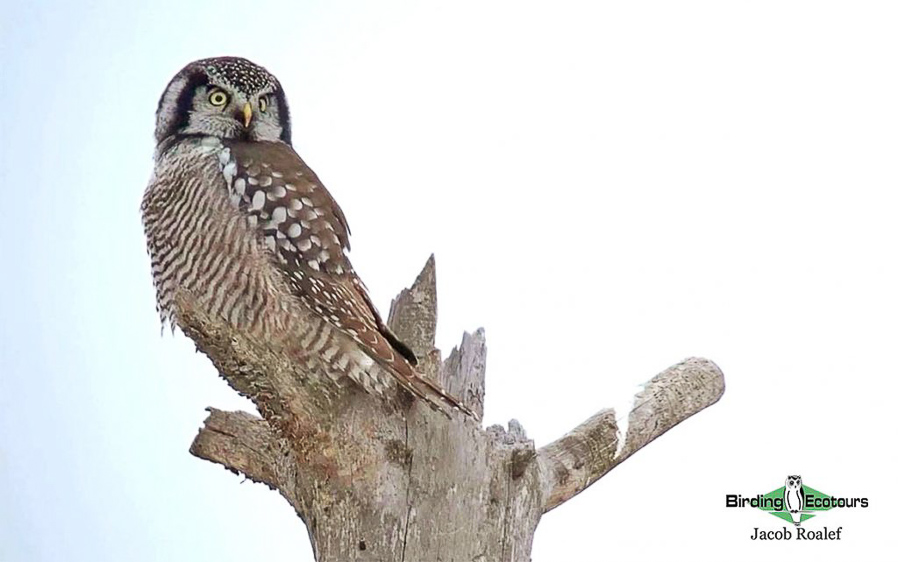 Northern Hawk-Owl will hopefully be another delight in Minnesota.
Day 6. Back to Minneapolis and departure home.
On our final day, we will make the trip south back to Minneapolis, to catch our flights home. We recommend getting an afternoon or evening flight (11am or later), if possible. Depending on timing, we may be able to make one or two more birding stops along the way. The tour will conclude with a drop-off at the Minneapolis-Saint Paul International Airport.
Please note that the itinerary cannot be guaranteed as it is only a rough guide and can be changed (usually slightly) due to factors such as availability of accommodation, updated information on the state of accommodation, roads, or birding sites, the discretion of the guides, and other factors. In addition, we sometimes have to use a different guide from the one advertised due to tour scheduling or other factors.
Map
Testimonials
Gallery
General Information
PREPARING FOR MINNESOTA IN WINTER
A Great Grey Owl descends silently upon an open field to catch a vole hidden in the deep snow. Flocks of colorful winter finches noisily visit a feeder, rivaling even the tanagers of the tropics in color. Grouse strut along an open field with their amazing snowshoe-like feet, perfectly adapted in both form and color to the depths of winter. These are the images that come to mind when one thinks of a birding trip to Minnesota in winter.
Although visiting this frigid state in winter may seem like madness to the uninitiated, the birds that occur in northeastern Minnesota are among some of the most special and charismatic in the world, such as Northern Hawk-Owl, Great Grey Owl, and Snowy Owl. Sitting on the southern edge of the vast boreal forest biome, northeastern Minnesota is the southern limit of distribution for many other boreal forest species that do not regularly occur further south, such as Boreal Chickadee and Grey Jay. However, one must keep in mind that a trip list to this state in January will only include about 40 or so hardy species, with few individuals overall. It will definitely be a case of quality over quantity.
Another factor to consider is the weather. Average high temperatures in Duluth in January range between 15 to 20 degrees Fahrenheit (-9 to -6 degrees Celsius), but it can potentially never go above 0 degrees Fahrenheit (-17 degrees Celsius) on some days. Although it will be very cold by most standards, most of our birding will be done along roadsides, either near or within the warmth of our vehicle. There may be a few very short walks of a couple of hundred meters/yards or less. Notwithstanding these details, please dress in multiple warm layers!
Download General Information Minnesota
Download What to bring